
Licensing · United States
Paramedical tattoo and PMU licensing by state
There is no national tattoo license in the US. This page points you to the official source in each state we cover, so you can check the current rules yourself.
Read this first
This guide is a starting point, not legal advice. Rules change, and many states leave important details to counties and cities. We link to official government sources and summarise them at a high level. Before you tattoo anyone, including camouflage on a scar or stretch mark, contact the agency for the exact place you will work.
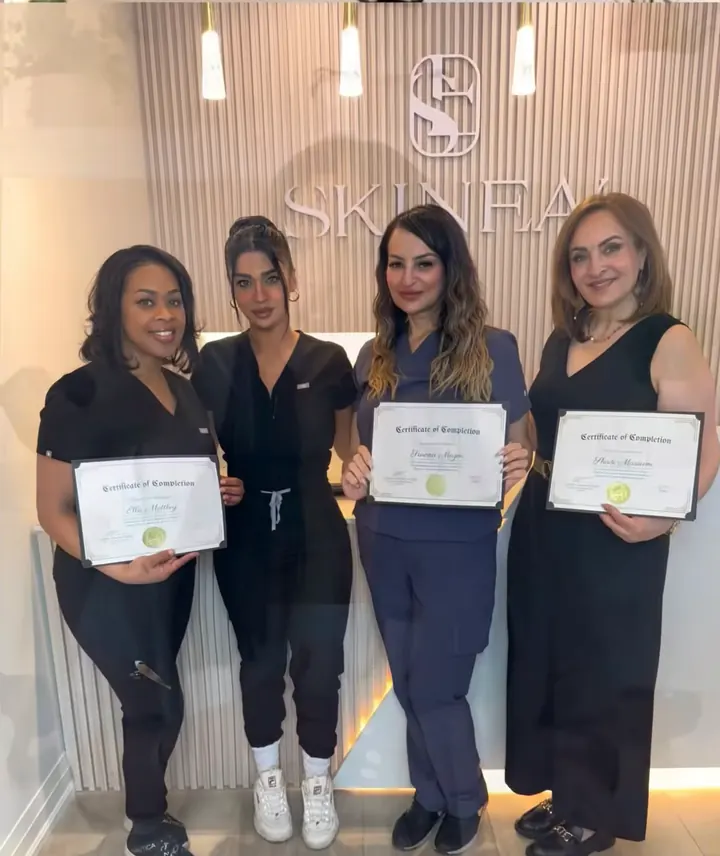
A course certificate, including the SKINEAV Certificate of Completion, shows you completed training. It is never a license, permit or registration.
Three common models
- The artist is licensed by the state: for example Florida, Virginia and North Carolina (through local health departments).
- The studio is licensed or registered: for example Texas and Illinois.
- Mostly local rules: for example Arizona and Pennsylvania, and the parts of New York outside New York City.
Some states mix models, such as California, where state law requires practitioners to register with the county, or Georgia, which certifies artists and permits studios.
State by state
- Florida: state tattoo artist license that includes cosmetic tattooing, from the Florida Department of Health. Florida guide
- Texas: tattoo studio licensing through the Texas DSHS. Texas guide
- California: practitioner registration with the county under the Safe Body Art Act. California guide
- Arizona: mostly city and town rules; see A.R.S. 13-3721 for minors. Arizona guide
- Nevada: local health authorities such as the Southern Nevada Health District. Nevada guide
- Georgia: Body Artist Certification and studio permits under Chapter 511-3-8, from the Georgia DPH. Georgia guide
- North Carolina: individual tattooing permit under G.S. 130A-283, through local health departments. North Carolina guide
- New York: NYC tattoo artist license, which covers PMU, from the NYC Health Department; county rules elsewhere via the NYS DOH. New York guide
- Illinois: body art establishment registration with the Illinois DPH. Illinois guide
- New Jersey: local health authority approval under N.J.A.C. 8:27. New Jersey guide
- Pennsylvania: no single state license; local rules such as Philadelphia's body artist certificate. Pennsylvania guide
- Virginia: DPOR tattooer and permanent cosmetic tattooer licenses under 18VAC41-50-20. Virginia guide
- Tennessee: statewide tattoo artist license and establishment permits under Rules 1200-23-03, through county health departments. Tennessee guide
- Ohio: business approval by the local board of health under ORC Chapter 3730. Ohio guide
- Michigan: MDHHS body art facility license; individual artists are not licensed by the state. Michigan guide
- Washington: DOL tattoo artist and permanent cosmetic artist licenses. Washington guide
- Utah: body art facility permit from the local health department under R392-701. Utah guide
- South Carolina: tattoo facility license from the Department of Public Health; artists must be 21, and tattooing the head, face or neck is prohibited. South Carolina guide
- Maryland: no state license; MDH applies disease control rules, and Baltimore City and some counties license locally. Maryland guide
- Massachusetts: no state license; local boards of health adopt body art rules based on the DPH model regulations, and Boston requires a BPHC practitioner license. Massachusetts guide
- Louisiana: operator and facility registration through the LDH Commercial Body Art program, which includes permanent cosmetics. Louisiana guide
- Oklahoma: OSDH tattoo artist license after an approved apprenticeship or documented licensure, plus an exam. Oklahoma guide
- Alabama: ADPH body art operator permit and facility license; body art includes microblading. Alabama guide
- Missouri: state practitioner and establishment licenses under RSMo 324.520 and related statutes. Missouri guide
- Indiana: statewide sanitary rule 410 IAC 1-5, enforced by county health departments (IDOH). Indiana guide
- Minnesota: MDH body art technician license with 200 supervised tattoo hours. Minnesota guide
- Washington, DC: individual body artist license under D.C. Code 47-2853.76c and separate establishment licensing. Washington, DC guide
Questions to ask your agency
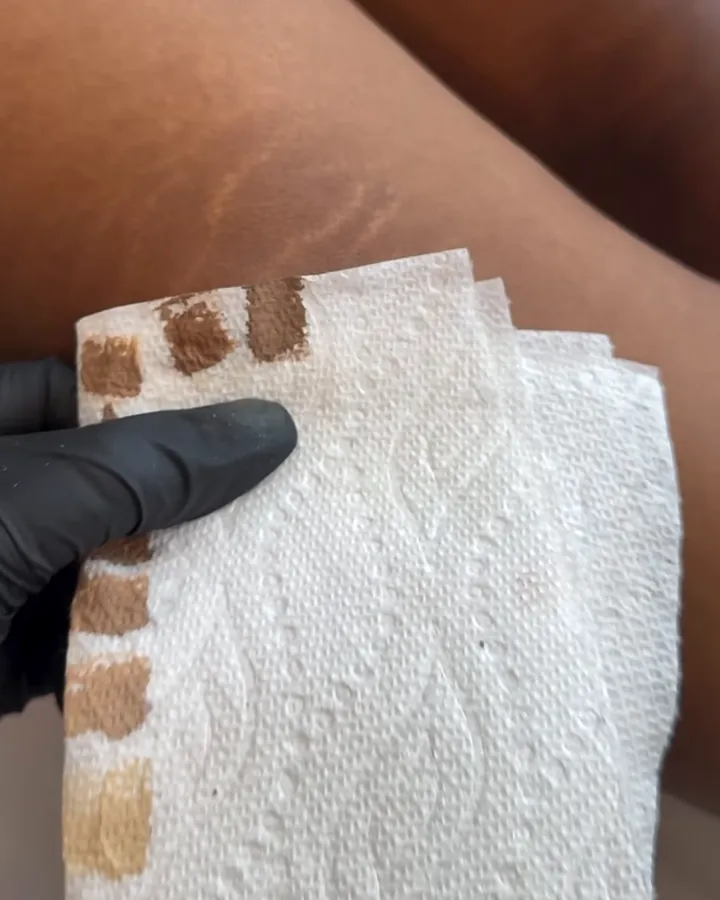
- Does camouflage on scars and stretch marks count as tattooing, permanent cosmetics or something else here?
- Do I need an individual license, a studio license, or both?
- What bloodborne pathogen or infection control training do you accept?
- Are there training-hour, apprenticeship or exam requirements?
- Can I work as a guest artist, and for how long?
- Does my existing PMU license cover camouflage on the body?
Write down the name of the person you spoke to and the date. If the answer matters, ask for it in writing.
Common requirements across states
Although the details differ, many jurisdictions share some requirements: a minimum age of 18, bloodborne pathogen training that meets OSHA standards, working in a permitted or inspected location, sterilisation and infection control procedures, client records and consent, and rules about minors. Hepatitis B vaccination or a declination is common. Plan for these early.
Working as a guest or travelling artist
Many artists want to see clients in more than one city or state. Rules for guest and temporary work vary widely. Some places offer temporary or guest artist permits, such as Georgia's guest and temporary artist applications or New York City's temporary tattoo license for short periods. Others require full local registration wherever you work, as in California, where a registration from one county only covers short periods elsewhere. Always check before booking clients outside your home jurisdiction.
Medical settings and exemptions
Some states exempt physicians, and sometimes nurse practitioners or physician assistants under a physician, from tattoo rules when they tattoo within their normal medical practice. North Carolina's statute is one example. That exemption usually does not extend to a beauty professional working inside a medical office. Illinois, for instance, says body art done in a physician's office by anyone other than the physician must be in a registered location. If you plan to work in a clinic or med spa, ask your agency how the rules apply to you specifically.
How we keep this page accurate
We check the official sources linked here when we write or update each state guide, and we date our reviews. We do not summarise fees, because they change often. If you notice something that has changed, tell us and we will review it. And if your state is not listed yet, the general advice still applies: find your state health department or licensing board, then check with your county and city.
Where training fits
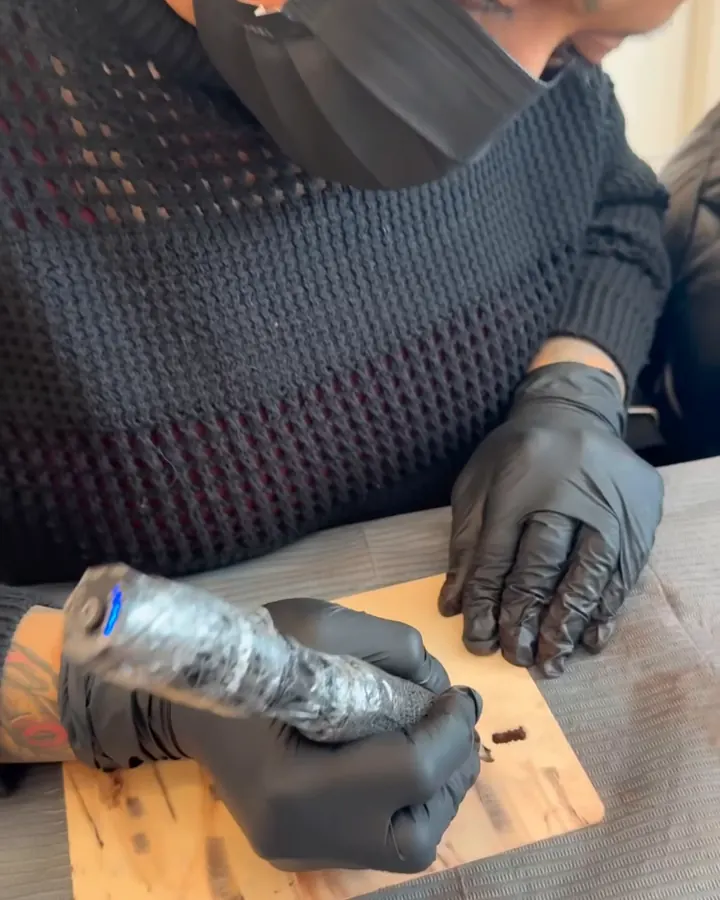
Licensing tells you where and under what conditions you may tattoo. Training gives you the skill to do camouflage safely and well. You need both. Evelyn's live 1:1 online paramedical camouflage course is advanced training for artists who are licensed, or working toward the right credential, in their state. It includes the full basics, practice skin, theory, machine and ink, pigment chemistry basics, marketing, a kit option, a Certificate of Completion and six months of mentorship.
New state guides are added regularly. If your state is not listed, apply anyway and tell us where you work; we will point you to the right official body. Next, read how to become a paramedical tattoo artist in the US.
Licensing note: the SKINEAV Certificate of Completion shows you finished Evelyn's training. It is not a state license, permit or registration. Before you tattoo anyone in the US, check and follow the rules of your state, county and city.
Frequently asked questions
Is there a national tattoo license in the US?
No. Each state sets its own rules, and many delegate details to counties and cities.
Does a camouflage course certificate count as a license?
No. A certificate shows training. Only your state or local agency issues licenses, permits or registrations.
Is camouflage treated as tattooing?
In most places, yes, because it places pigment into the skin with needles. Confirm with your agency.
Which states have the strictest rules?
Some states, such as Virginia, require approved training and exams for a license. Others rely on local rules. Always check your state.
How often are these rules updated?
Rules change from time to time. This page was reviewed in October 2026; always confirm on the official site.