
Careers · Deciding
Is a paramedical tattoo career worth it?
For the right person, paramedical tattooing is one of the most meaningful corners of the beauty industry. It is not a shortcut.
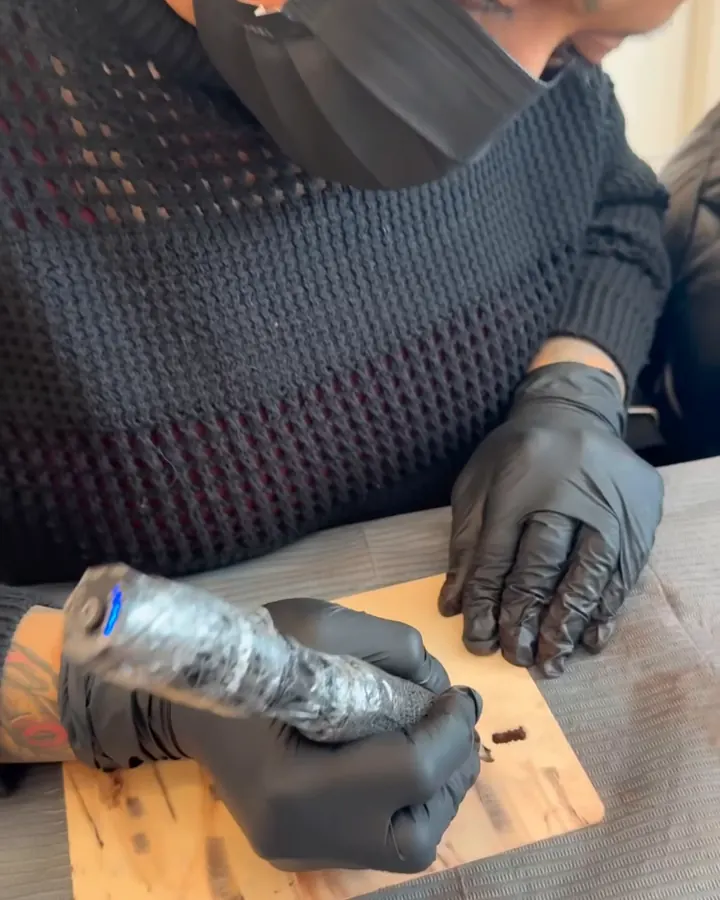
Why artists are drawn to paramedical work
Ask paramedical artists why they chose this work and most talk about the clients before they talk about business. A woman who has avoided swimsuits since her C-section. A man with a surgical scar on his chest who feels watched at the gym. Someone with stretch marks who has never worn a crop top. Camouflage will not erase a scar, but blending it so it draws less attention can matter a lot to the person living with it.
There are practical reasons too. It is a specialist service, so you compete less on price. Clients often need more than one session, which builds long relationships. And it can be added to an existing PMU, tattoo or esthetics business rather than replacing it.
The real advantages
- Less crowded: far fewer artists offer scar and stretch mark camouflage than brows or lashes in most US cities.
- High intent clients: people who search for camouflage usually know what they want and have been looking for a while.
- You set your own prices: specialist skill and longer sessions give you room to price for value rather than volume.
- Referral potential: plastic surgeons, dermatologists and med spas often want a trusted artist to refer to.
- Meaningful work: many artists say it is the most rewarding part of their week.
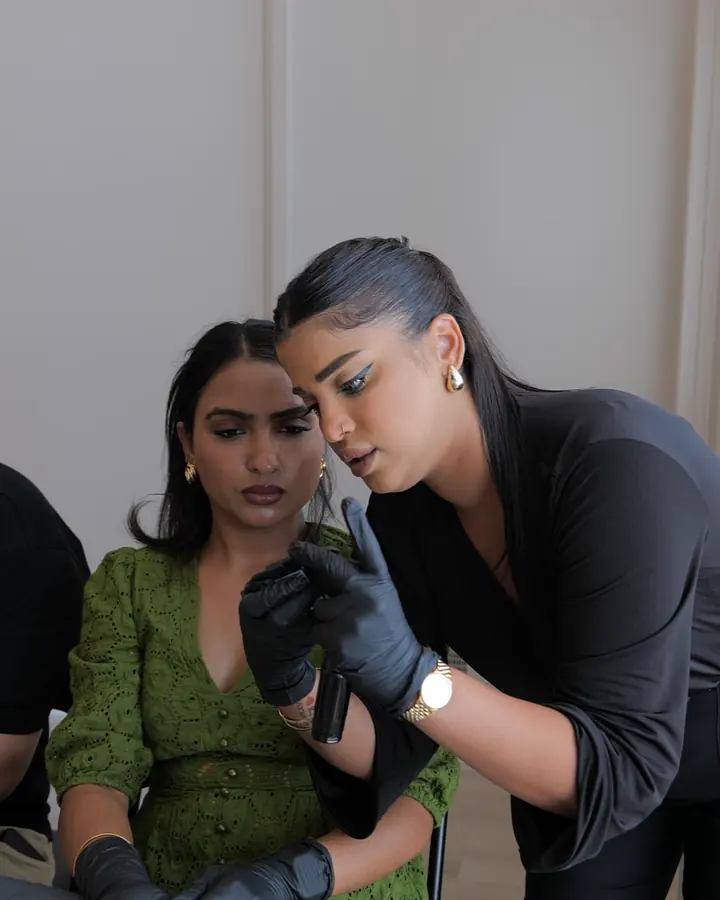
The real challenges
It would be dishonest to stop there. A paramedical career also comes with real difficulties:
- It is hard to do well. Matching pigment to living skin, on scar tissue that heals unpredictably, is much harder than a standard tattoo.
- Not every client is a candidate. Fresh, raised, red or keloid scars, unstable vitiligo and some medical conditions mean you will say no often. See contraindications for camouflage.
- Results vary. Two similar scars can heal differently. You must manage expectations honestly.
- Licensing takes work. In most states you need a license, permit or a registered studio. See paramedical tattoo licensing by state.
- Building a portfolio takes time. You need healed results, photographed well, before clients trust you.
- Emotional weight. Some clients carry trauma linked to their scars. You need patience and boundaries.
Who it suits best
Paramedical work suits people who are patient, detail-focused and comfortable saying "not yet" or "no". It suits PMU artists who love colour theory, tattoo artists who want work with deep personal meaning, estheticians who already work with skin conditions, and nurses who want to use clinical knowledge in a creative way. Read esthetician to paramedical tattoo artist and nurses moving into paramedical tattooing.
It suits less well if you want fast, high-volume appointments, or if you are looking for a guaranteed income. No course can promise clients or earnings, and you should be wary of any that does.
What it takes to build the specialty
Most artists who do well follow a similar path: solid foundation training, a specialist camouflage course, many hours on practice skin, small first cases with mentor review, careful photography, and gradual outreach to referral partners. Expect that to take months, not weeks.
Support after training makes a big difference. When your first tricky case comes in, being able to send photos to an experienced mentor and get a second opinion is often what separates confident artists from those who give up. SKINEAV's live 1:1 online paramedical camouflage course includes six months of mentorship for that reason.
What a typical week can look like
There is no single pattern, but many artists who add camouflage describe a week like this: most days are taken up by their existing PMU, tattoo or esthetics work, with one or two longer blocks reserved for camouflage consultations and sessions. Consultations take time because you are assessing the scar, discussing history and setting expectations. Sessions are spaced weeks apart, so a camouflage client may appear on the calendar every month or two over several visits.
Admin is part of it too: photos, records, consent forms, aftercare messages and answering questions from people who are still deciding. Many artists find that the longer relationships and deeper conversations make this part of the week the most satisfying.
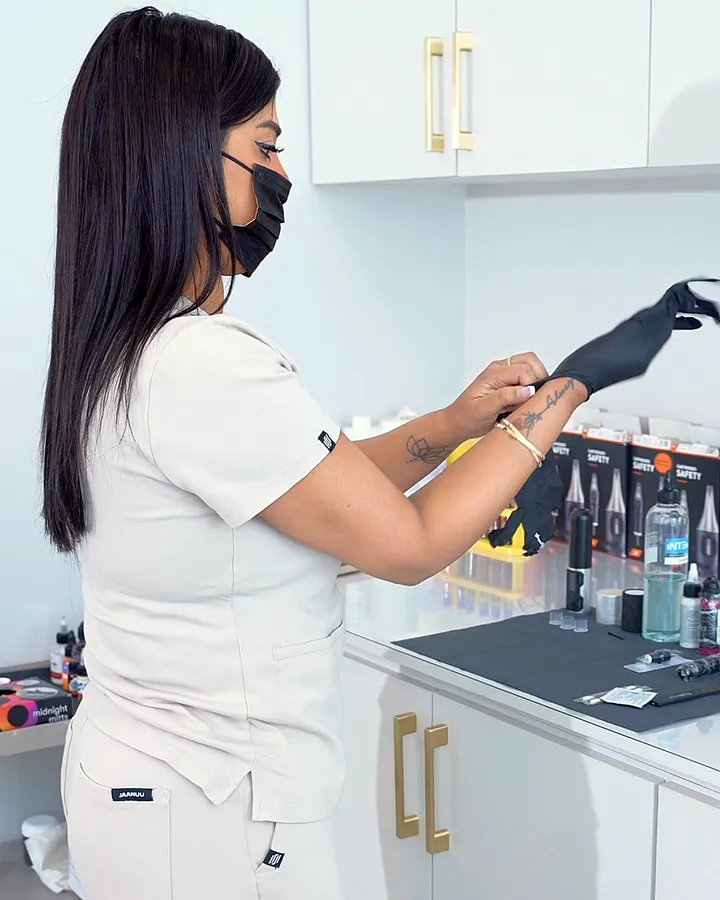
How long before you feel confident?
Confidence comes from healed results, not from finishing a course. Most artists need many practice-skin sessions and a run of small, straightforward real cases, reviewed with a mentor, before they feel ready for more complex scars. Expect months rather than weeks. Artists who already have strong PMU or tattoo skills usually progress faster, because they only need to learn the camouflage-specific parts: colour, assessment and technique on scar tissue.
Questions to ask yourself about money
Rather than looking for income figures online, ask practical questions. How many hours a month can you set aside for camouflage at first? What will your training, insurance, supplies and licensing cost you? How will you find your first clients? What pricing strategy makes sense in your market, given the time each case takes? Answering these honestly gives you a far better picture than any headline number, and helps you decide whether to start part-time alongside your current work, which is how most artists begin.
A quick self-check
Ask yourself honestly:
- Do I enjoy colour work and fine detail?
- Am I willing to keep practising for months after the course?
- Can I meet my state's licensing or studio rules?
- Am I comfortable with emotional conversations and turning clients away?
- Do I have, or can I build, a compliant workspace?
If most answers are yes, paramedical tattooing may well be worth it for you. If you are in the US, browse the state guides, for example Texas, North Carolina, Illinois and New Jersey, then book a free call with Evelyn.
Licensing note: the SKINEAV Certificate of Completion shows you finished Evelyn's training. It is not a state license, permit or registration. Before you tattoo anyone in the US, check and follow the rules of your state, county and city.
Frequently asked questions
Is paramedical tattooing a good career?
For patient, detail-focused artists who can meet their local rules, it can be a rewarding specialty with less competition than mainstream beauty services. Income depends on many factors and is never guaranteed.
What are the downsides of paramedical tattooing?
It is technically difficult, results vary, many clients are not suitable, licensing takes effort and building a portfolio takes time.
Can I do paramedical tattooing part-time?
Yes. Many artists add it to an existing business a few days a month at first.
Do I need medical training?
No medical license is required for cosmetic camouflage in most places, but you must understand skin, healing and contraindications, and refer clients to doctors when needed.
How do I know if a course is good?
Look for live feedback, practice-skin work, colour theory, honest teaching about contraindications and real support afterwards.