
Careers · Beauty industry
The most profitable beauty skills to learn in 2026–2027, an honest guide
"Profitable" depends less on the skill than on demand, competition and how well you do it. Here is how to think about the options.
What "profitable" really means in beauty
Search for the most profitable beauty skills and you will find lists promising quick money from lashes, brows, nails or injectables. Most of those lists skip the part that actually decides whether a skill pays off for you: how many people already offer it in your area, how hard it is to do well, how often clients come back, and what your state requires before you can legally offer it.
A skill is commercially strong when three things line up. There is real demand from clients who are actively searching. There are not yet many people who do it well. And the skill is hard enough to learn that new competitors do not appear every month. When all three are true, you can set your own prices with confidence instead of competing on discounts.
Nothing in this guide is a promise of income. Results depend on your location, your skill, your marketing and the hours you put in. What we can do is explain how the main options compare, so you can choose with your eyes open.
Skills that are popular, and crowded
Lash extensions, basic brow lamination, gel nails and classic microblading are all popular, and that is exactly the challenge. They are relatively quick to learn, short courses are everywhere, and in most US cities there are dozens or hundreds of providers. Clients can compare prices in seconds on Instagram or booking apps.
These skills can still be a good start. They teach you client care, hygiene, booking systems and how to build a following. Many successful specialists started this way. But if you are choosing a skill to stand out, it helps to look at where the crowd is not.
Skills that need a medical license
Injectables such as neurotoxins and fillers attract a lot of interest. In most states they can only be performed by, or under the supervision of, licensed medical professionals such as physicians, nurse practitioners, physician assistants or registered nurses, depending on state rules. That makes them a natural path for nurses, but not a short course option for most beauty professionals. Always check your state's medical and nursing boards.
Specialist skills with less competition
Some skills sit in between: they build on beauty skills you may already have, but they take longer to master and fewer people offer them. Examples include:
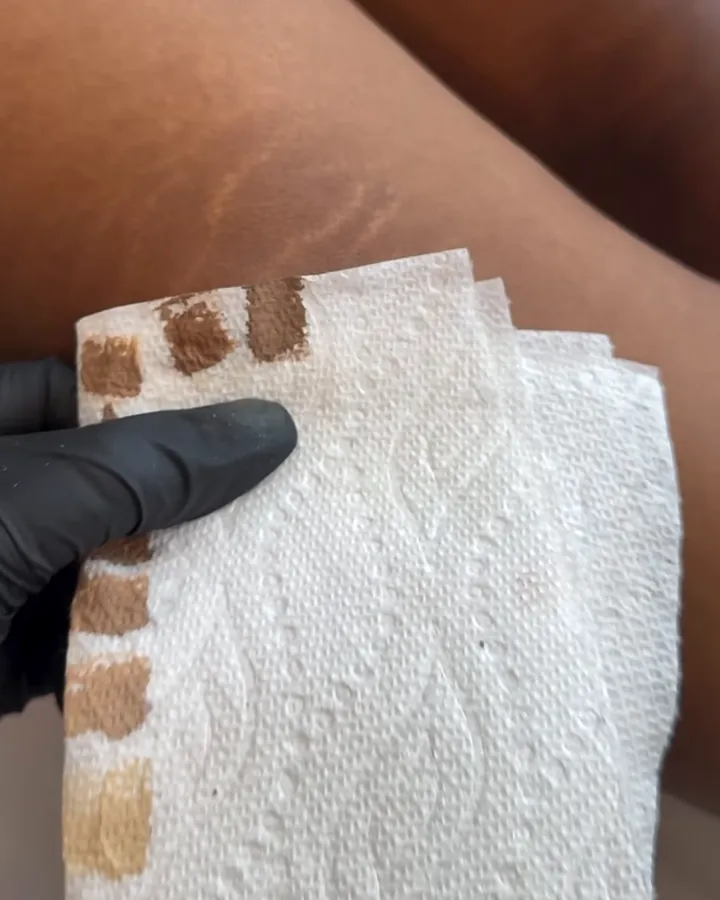
- Paramedical skin camouflage: blending scars, stretch marks and lighter patches with skin-toned pigment
- Areola and nipple restoration: often after breast surgery
- Scalp micropigmentation (SMP): for thinning hair and hair loss
- Corrective PMU: fixing faded or poorly healed brows and lips
These are not easy skills, and that is the point. They require colour theory, careful assessment and a conservative approach on fragile skin. Clients tend to search for them specifically, and many travel or wait for the right artist.
Why scar and stretch mark camouflage stands out
Millions of Americans live with scars from surgery, C-sections, injuries or acne, and stretch marks are extremely common after pregnancy, weight change or growth. Many of those scars heal lighter than the surrounding skin. When a client finds out that a trained cosmetic tattoo artist may be able to blend that area toward their natural tone, they often become very motivated, and very loyal, clients.
At the same time, camouflage is genuinely difficult. Matching pigment to living skin, working on scar tissue that takes pigment unevenly, and knowing when to say no are skills that take proper training and practice. That barrier keeps competition lower than in lashes or nails. It also means a weak course can do real harm, so training quality matters.
Camouflage also fits neatly into an existing PMU, tattoo, esthetics or med spa business. You are not starting from zero; you are adding a high-demand service that your current clients and referral partners may already be asking about. Read more in adding scar camouflage to your PMU business.
How to compare skills before you invest
Before paying for any course, ask yourself these questions:
- How many people already offer this within 30 minutes of me, and how many do it well?
- Are clients actively searching for it? Look at local search results and social media.
- What does my state require? Many skills that involve needles or pigment need a license, permit or registered studio. See our guide to paramedical tattoo licensing by state.
- How long will it take me to become genuinely good, not just certified?
- Does it fit the business I already have?
- Will I get support after the course when real cases come in?
The honest answer for many artists is to keep one popular service for steady bookings and add one specialist skill that sets them apart.
Comparing the main options side by side
Here is a plain-language comparison of the skills people ask us about most. It is a general picture, not a promise for any one market.
- Lash extensions: fast to start, frequent refills, but very crowded and physically repetitive. Clients often switch artists for price.
- Brow lamination and tinting: low startup cost, quick appointments, many competitors. A good entry skill, rarely a differentiator on its own.
- Microblading and powder brows: strong demand and good repeat touch-ups, but most cities are saturated and price pressure is common.
- Lip blush: growing interest and fewer specialists than brows, with similar licensing to other PMU.
- Scalp micropigmentation: a specialist niche with motivated clients; requires its own training.
- Areola restoration: meaningful work, often linked to referrals from surgeons and support groups.
- Scar and stretch mark camouflage: high skill, less competition, long client relationships, and a natural add-on for PMU and tattoo artists.
Notice the pattern. The skills that are quickest to learn tend to be the most crowded. The ones that take real colour skill and judgment tend to have fewer competitors and more loyal clients.
Trends shaping beauty careers in 2026 and 2027
A few trends are worth watching as you plan. Clients are researching more before they book, often watching long videos and reading reviews, so artists who explain their work honestly earn trust faster. Interest in "natural" results keeps growing, which favours skills built on colour matching rather than heavy, obvious work. More clients are open to talking about scars, stretch marks and body changes after pregnancy or weight loss, thanks to body-positive communities online. And states continue to update tattoo and body art rules, which rewards artists who stay compliant.
All of this points the same way: specialist, skin-focused services delivered by well-trained, honest artists are well placed. That does not mean any one skill will make you rich. It means the market is moving toward expertise.
A simple plan for choosing your next skill
Write down the services you already offer and the questions clients keep asking you. Then look at who nearby offers what those clients want, and how good their work looks. If the gap is a specialist skill like camouflage, research training carefully, check your licensing, and plan to spend months practising before you market it widely. That slower, more deliberate path is usually what turns a skill into a lasting part of your business.
Where to go from here
If camouflage interests you, start by reading how to become a paramedical tattoo artist in the US and whether a paramedical tattoo career is worth it. If you are already a licensed PMU or tattoo artist, Evelyn's live 1:1 online paramedical camouflage course is built for you, with guides for Florida, Texas, California, New York and Georgia among others.
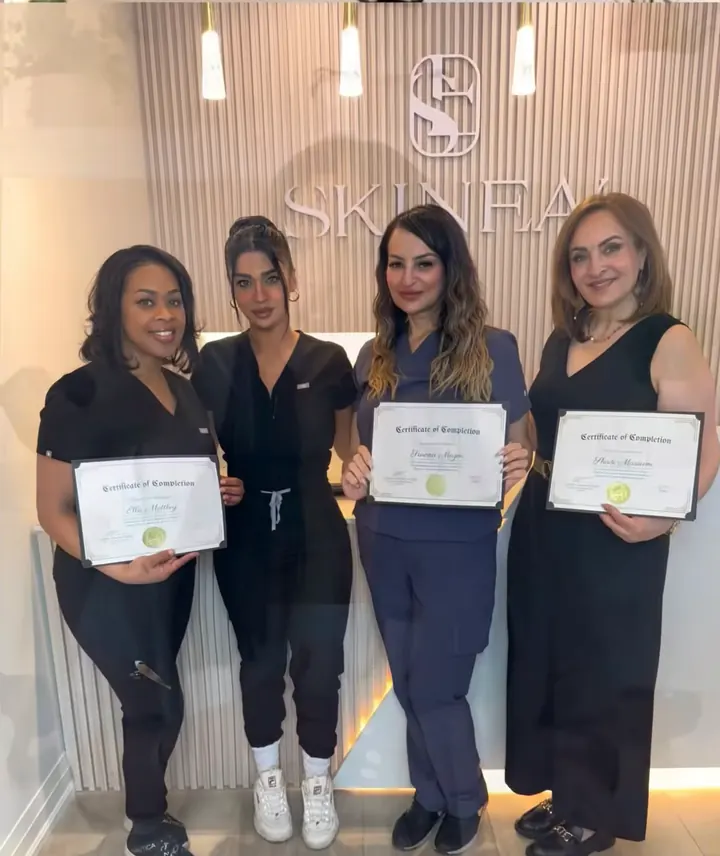
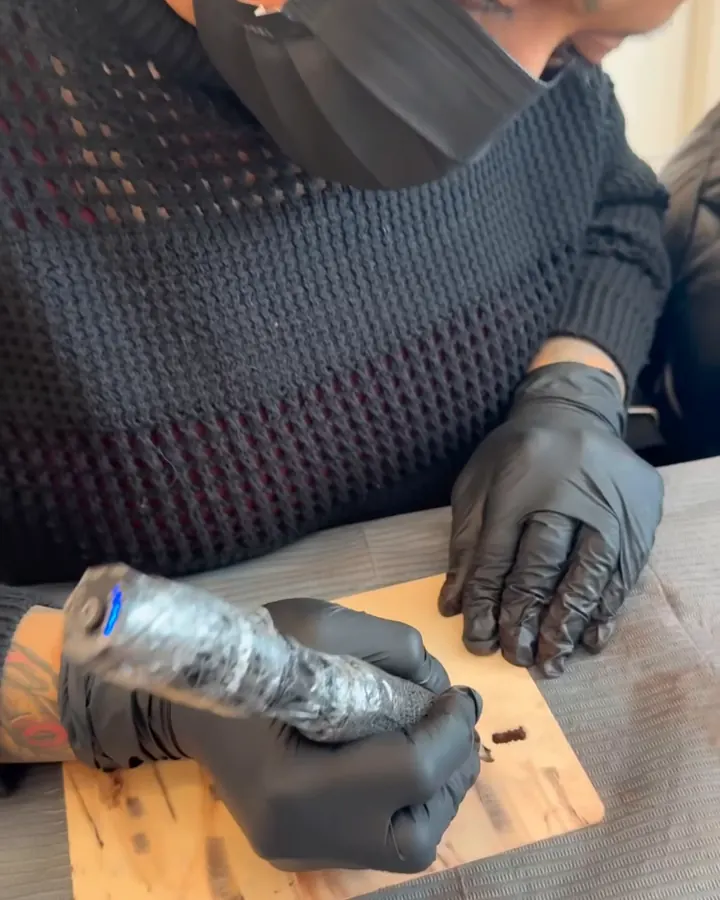
The course covers the full basics, learning on practice skin, theory, machine and ink, pigment chemistry basics, and marketing: your audience, pricing strategy and session spacing. A kit option, a Certificate of Completion and six months of mentorship are included. The certificate is not a license; your state rules still apply.
Licensing note: the SKINEAV Certificate of Completion shows you finished Evelyn's training. It is not a state license, permit or registration. Before you tattoo anyone in the US, check and follow the rules of your state, county and city.
Frequently asked questions
What is the most profitable beauty skill?
There is no single answer. Skills are strongest when demand is high, competition is low and the skill is hard to learn. Specialist services such as scar camouflage often meet those conditions, but results depend on you and your market.
Can I learn a beauty skill online?
Many theory and technique elements can be taught live online, especially one-on-one. Hands-on practice on practice skin and, later, supervised client work are still essential.
Do I need a license for permanent makeup or camouflage?
In most US states, yes, or you must work in a licensed or registered studio. Rules vary by state, county and city.
Is scar camouflage a good side business?
It can be added to an existing PMU, tattoo or esthetics business as a specialist service. It takes training, practice and the right setting under your local rules.
How long does it take to get good at camouflage?
Longer than a short brow course. Expect months of practice and mentored cases after the training before you feel fully confident.