
Careers · United States
How to become a paramedical tattoo artist in the US
Paramedical tattooing helps people with scars, stretch marks and pigment changes feel more comfortable in their skin. Here is the realistic path into it.
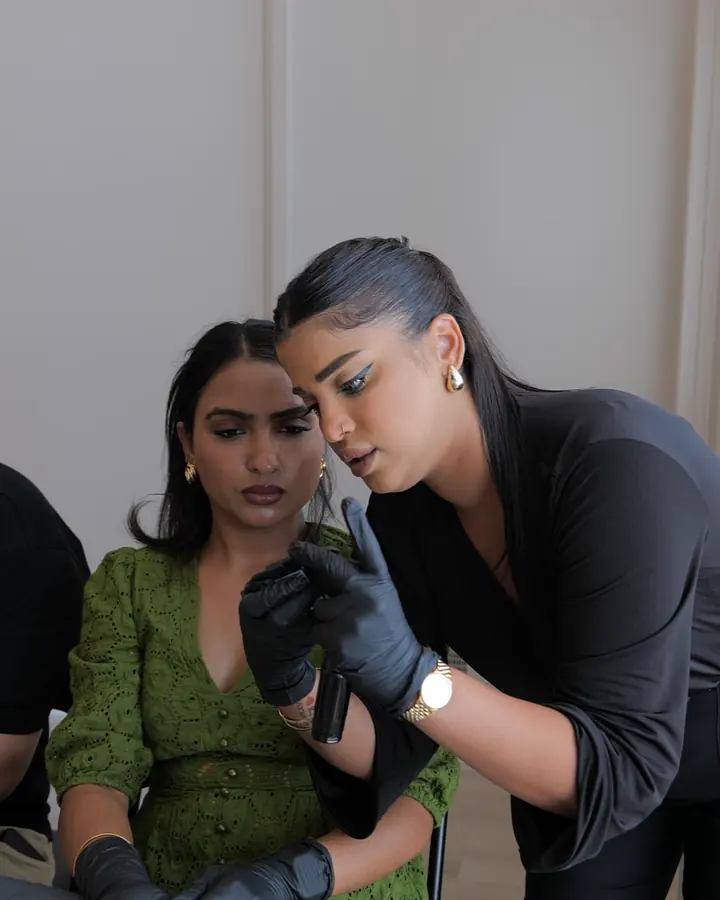
What paramedical tattooing is
Paramedical tattooing is an umbrella term for cosmetic tattooing that addresses changes to the skin rather than adding decoration. It includes scar and stretch mark camouflage, areola and nipple restoration after breast surgery, and work on lighter patches of skin. Camouflage, the focus of SKINEAV's training, uses custom-mixed, skin-toned pigment to blend a lighter scar or stretch mark toward the client's surrounding skin.
It is not laser, it is not a cover-up tattoo, and it is not a medical treatment. It is a cosmetic service that, done well, can make an area less noticeable. Done badly, it can make an area more obvious, which is why training and judgment matter so much. Read what paramedical tattooing is for the basics.
Step 1: Start from a solid skin or tattoo background
Most US paramedical artists come from one of four backgrounds: permanent makeup, tattooing, esthetics or nursing. Each brings something useful. PMU artists understand pigment and healing in the face. Tattoo artists have strong machine control. Estheticians understand skin types and conditions. Nurses understand wound healing and clinical hygiene.
If you have none of these, you can still get there, but plan on a longer path. Many states require a tattoo or body art license, which can involve an apprenticeship or approved school hours before you can tattoo anyone.
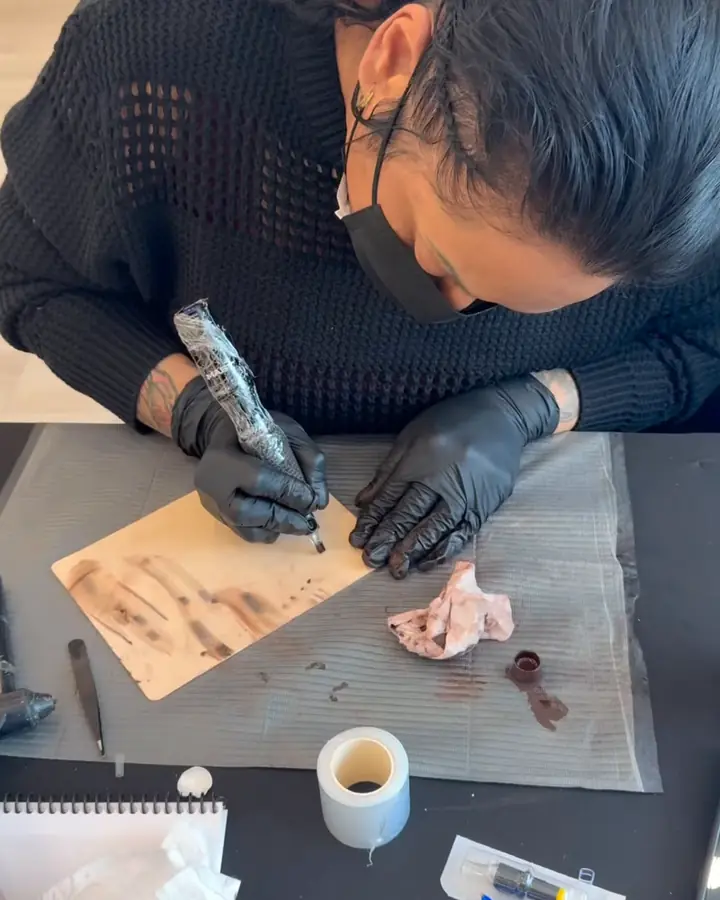
Step 2: Understand your state, county and city rules
The US has no single national rule for tattooing. Each state decides, and many leave the details to counties and cities. Some examples:
- Florida requires a state tattoo artist license that explicitly includes cosmetic tattooing.
- Virginia licenses tattooers and permanent cosmetic tattooers through DPOR, with exam and training requirements.
- Texas and Illinois focus on licensing or registering the studio.
- California requires practitioners to register with their county under the Safe Body Art Act.
- New York City licenses every tattoo and PMU artist, while counties set rules elsewhere in the state.
- Pennsylvania and Arizona rely mostly on local rules.
Our guide to paramedical tattoo licensing by state links each to the official source. Always confirm with the agency before you work on clients.
Step 3: Get bloodborne pathogen training
Almost every US jurisdiction that regulates tattooing asks for bloodborne pathogen training that meets OSHA standards. It is usually a short course from an approved provider. Do it early. It is a legal requirement in many places and the foundation of safe practice.
Step 4: Choose specialist camouflage training
General PMU courses rarely go deep into scars. Look for a course that covers colour theory for skin, pigment chemistry basics, how scar tissue takes pigment, when not to treat, consultation and photography, and support afterwards. Small group or one-on-one formats give you far more feedback than large classes or pre-recorded videos. See how to choose the best online paramedical tattoo course.
Evelyn's live 1:1 online paramedical camouflage course is one option for artists who cannot travel. It is live on Zoom, scheduled in your time zone, and includes practice-skin work, machine and ink, pigment chemistry basics, marketing, a kit option, a Certificate of Completion and six months of mentorship.
Step 5: Practise, then take supervised first cases
Nobody should go from a course straight to a client's C-section scar. Practise on practice skin until your colour mixing and depth are consistent. Then start with small, straightforward cases, photograph everything in consistent light, and ask your mentor to review your plan before each new type of case.
Step 6: Set up the business side
Before you advertise, sort out the practical steps: a compliant workspace under your local rules, professional liability insurance that covers cosmetic tattooing, consent and aftercare forms, a photo policy and a referral relationship with at least one doctor or dermatologist for clients who need medical advice first.
Pricing is yours to set. Consider your local market, the time each session takes, how many sessions a case usually needs and the value of a specialist skill. Avoid competing on discounts; it attracts the wrong cases.
Skills checklist for your first year
By the end of your first year, aim to be confident with these:
- Screening clients and recognising when a scar is not ready or not suitable
- Mixing a custom skin tone and judging undertone in neutral light
- Choosing needles and machine settings for scar tissue and stretch marks
- Working conservatively and building colour over sessions
- Explaining healing, aftercare and session spacing clearly
- Photographing before, during and healed results consistently
- Keeping records that satisfy your local health department
Most of these come from practice and mentor feedback, not from the course alone.
Common mistakes new paramedical artists make
The most common mistake is taking on cases that are too complex too early, such as recent scars, raised scars or large burn areas. The second is mixing pigment too light or too warm, which can leave a patch that stands out more than the original scar. The third is promising results. Clients remember what you told them, and camouflage results vary from person to person. A fourth is skipping documentation: without consistent photos, you cannot show progress or learn from your own work. Avoiding these early saves your reputation and your clients' trust.
Finally, do not ignore the rules. Working outside your license or in an unpermitted space can end a career before it starts. Check paramedical tattoo licensing by state and your local agency.
Where demand is strongest
Demand tends to follow population, cosmetic surgery activity and skin-tone diversity. Large metros such as Miami, Houston, Dallas, Los Angeles, Atlanta, New York and Chicago have big markets, while mid-sized cities often have almost no camouflage specialists at all. Either can work. In a big city you compete on quality and specialisation; in a smaller one you may be the only option for a long drive. See the state guides from the live 1:1 online paramedical camouflage course page.
Step 7: Build trust slowly
Paramedical clients are often nervous and have been let down before. Honest consultations, realistic expectations and healed-result photos build a reputation faster than any ad. Many artists also build referrals from plastic surgeons, med spas and breast cancer support communities once they have a portfolio to show.
Next, read is a paramedical tattoo career worth it?
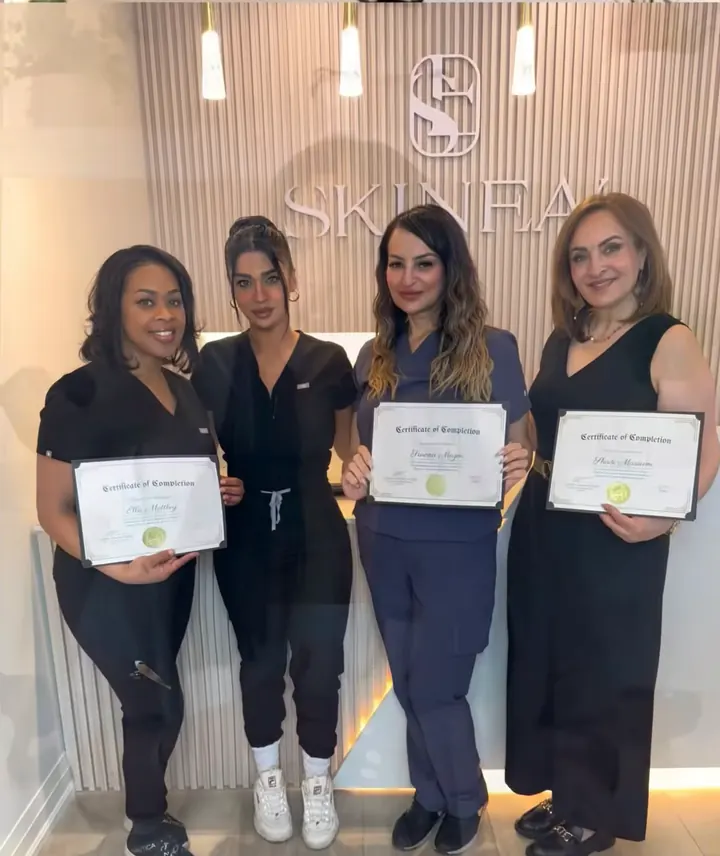
Licensing note: the SKINEAV Certificate of Completion shows you finished Evelyn's training. It is not a state license, permit or registration. Before you tattoo anyone in the US, check and follow the rules of your state, county and city.
Frequently asked questions
Do I need a license to be a paramedical tattoo artist in the US?
In most states you need a tattoo or body art license, permit or registration, or must work in a licensed studio. Rules vary by state and locality.
Can I become a paramedical tattoo artist with no experience?
It is possible but takes longer. Many states require an apprenticeship or approved training before you can tattoo. Most camouflage students already have PMU, tattoo, esthetics or nursing experience.
Is a course certificate the same as a license?
No. A Certificate of Completion shows you finished a course. Only your state or local agency can issue a license or permit.
How long does it take?
For an experienced PMU or tattoo artist, the course itself is short, but becoming confident takes months of practice and mentored cases.
Can I learn paramedical tattooing online?
Yes, with the right format. Live one-on-one Zoom training with practice skin and mentorship can teach the method; supervised practice still matters.