
Academy · Career
Nurses and health workers moving into paramedical tattooing
Healthcare professionals often bring exactly the mindset camouflage needs. A few skills are entirely new.
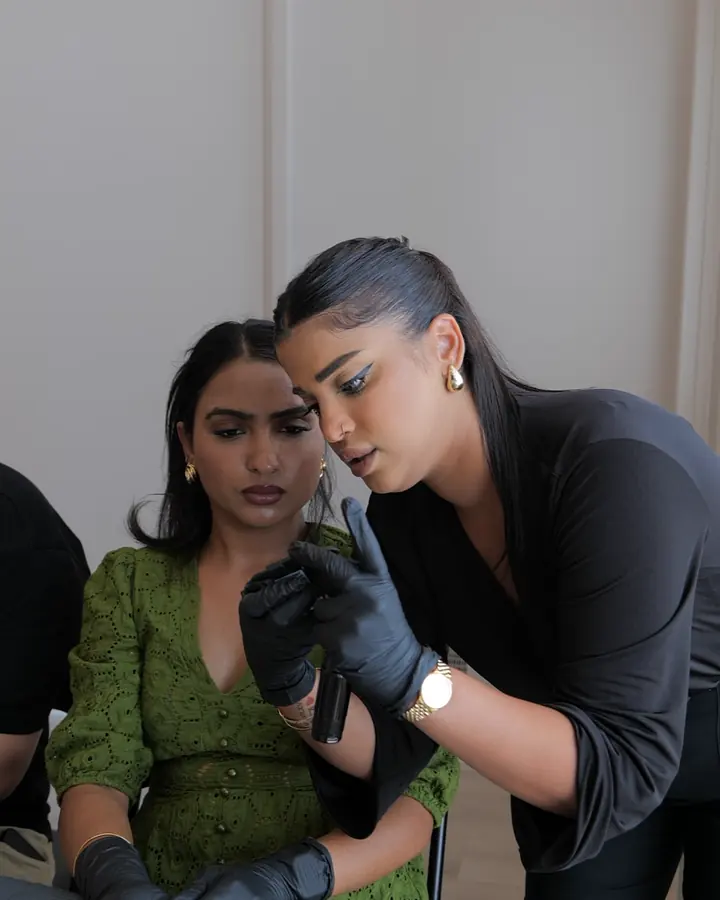
Nurses, care workers and other health professionals sometimes come to SKINEAV Academy looking for a change of pace or a business of their own. Many already care deeply about patients with scars.
What transfers well
- Infection prevention habits
- Comfort with health histories and contraindications
- Calm, compassionate conversations with people who feel vulnerable
- Respect for when to refer to a doctor
“In the beginning, your portfolio is everything. People need to see your work before they trust you with their skin.”
Evelyn Alvares Vega, SKINEAV Academy
What is new
- Machine handling, depth and hand speed
- Colour theory and building pigment formulas
- Aesthetic judgement: what "blended" looks like
- Running a small business, pricing and marketing
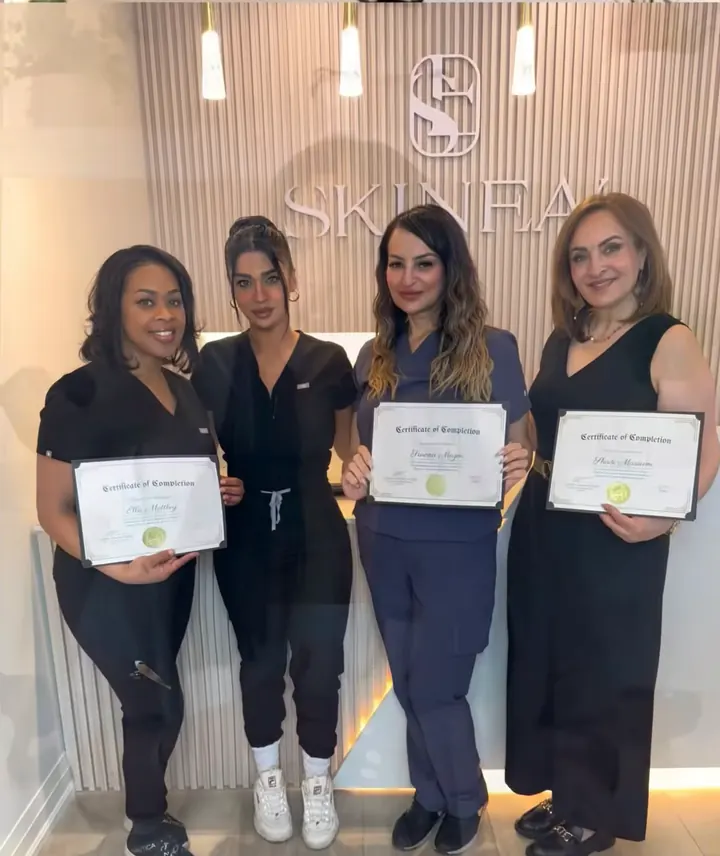
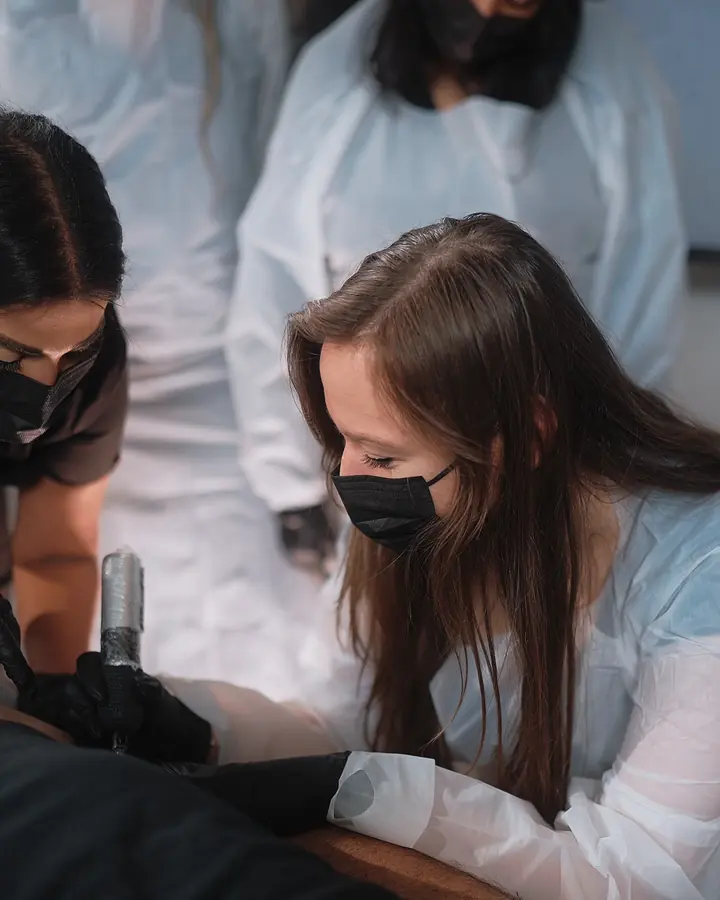
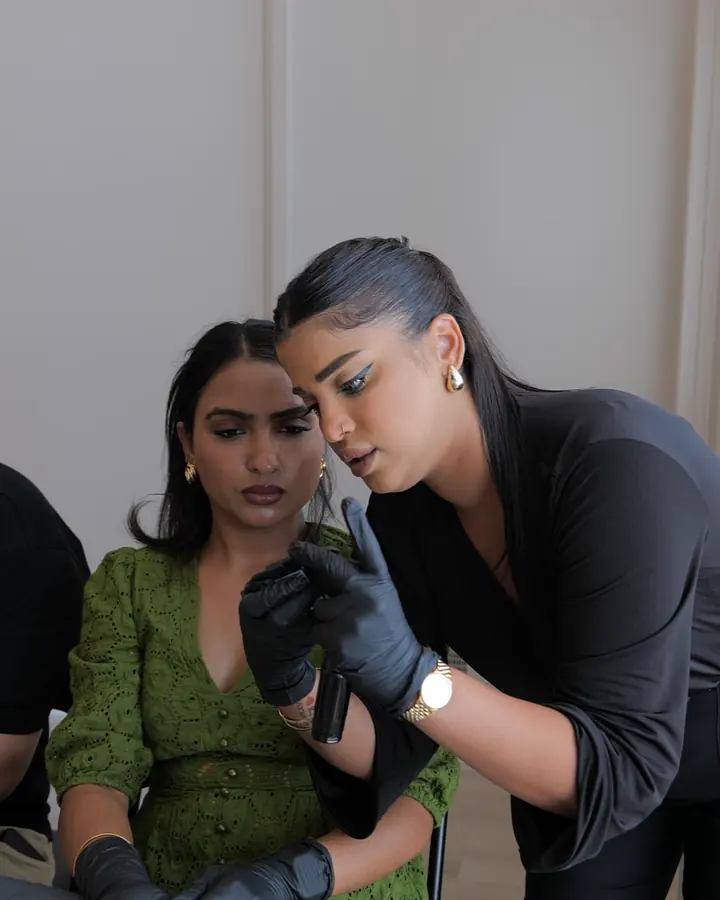
Real results and real moments
Scope
Camouflage tattooing is a cosmetic service. Keep a clear line between your camouflage work and medical advice, and check the rules that apply to your professional registration, if any, and to your business setting.
How training works
- Free callTalk through your goals, the right format and current offers.
- Reserve your seatIn person in Vaughan or live online via Zoom.
- 3 intensive daysColour theory, technique and supervised practice with Evelyn.
- Six months of mentorshipFeedback on your work while you build your business.
Starting
1:1 private training can be scheduled around shift work. The in-person scar camouflage course runs 3 days in small groups of up to 5, and courses start from $1,999 depending on the format and length; ask about current offers.
Building confidence with the machine
Many health professionals are used to precise, careful hand work, but tattooing is a different motor skill. Expect to spend real time on practice skin before supervised live work. It is normal for this to feel slow at first.
Finding your niche
Some former healthcare workers focus on post-surgical scars and build relationships with surgical clinics. Others focus on stretch marks or vitiligo. Your background can help referral partners trust you, but keep your service clearly cosmetic.
Planning the transition
Many people start part-time, building a portfolio and client base before leaving their current role. Mentorship after the course helps you plan that transition.
Frequently asked questions
Do nurses make good camouflage artists?
Many skills transfer well, such as infection prevention and compassionate care. Machine work and colour theory are new skills to learn.
Can I train around shift work?
1:1 private training is scheduled around you.