
Academy · Career guide
How to become a camouflage tattoo artist in Canada
What paramedical camouflage tattoo artists do, the skills you need, how training works, what to look for in a course and what the career can look like in Canada.
Camouflage tattooing, also called paramedical or skin camouflage tattooing, helps people soften the look of scars, stretch marks and vitiligo. It is specialised, meaningful work, and more clients are searching for it every year. Here is how people get into the field.
What does a camouflage tattoo artist do?
You assess a client’s skin, build a pigment blend matched to their tone and undertone, and place it into scars, stretch marks or lighter patches so they blend in. Just as important: knowing when not to treat, and explaining that honestly.
The skills that matter
- Colour theory and undertones. Matching skin is harder than matching a swatch.
- Skin assessment. Scar maturity, texture, stability and contraindications.
- Technique. Needle selection, depth and hand control on delicate tissue.
- Healing and aftercare. What looks perfect on day one can heal differently.
- Client care. Many clients are sharing something painful. Discretion matters.
Do you need experience?
People come from many backgrounds: PMU artists, estheticians, barbers and SMP artists, salon owners, and people starting a completely new career, including many mothers looking for flexible, skilled work. Good training is structured so you can start at your level.
What to look for in a course
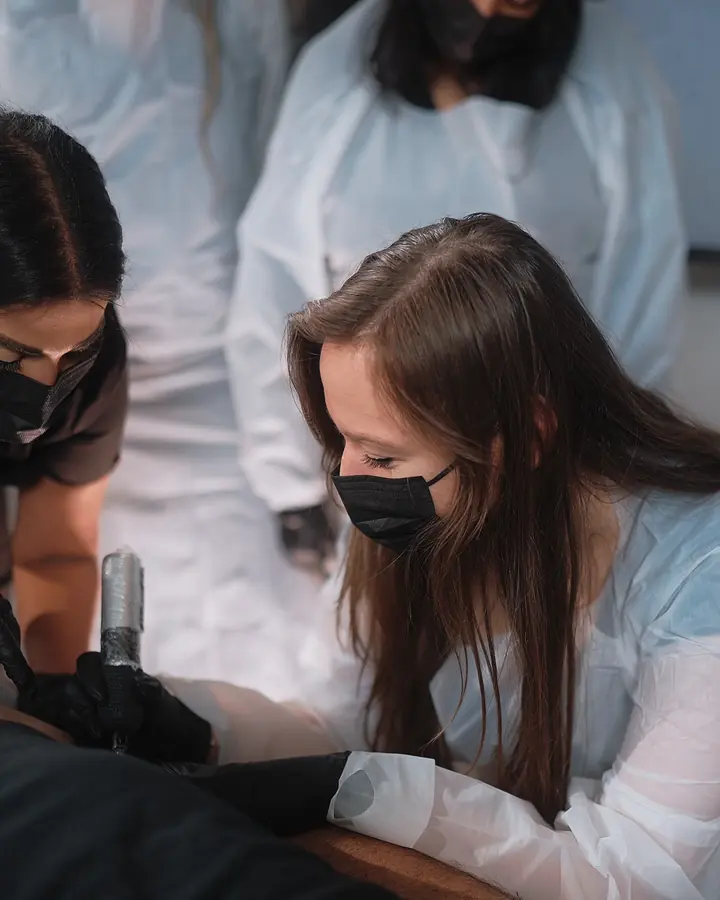
- Hands-on practice on real live models, not only practice skin
- Mentorship after the course, when real questions start
- Marketing basics: finding clients and presenting your work
- An educator with a visible body of healed results
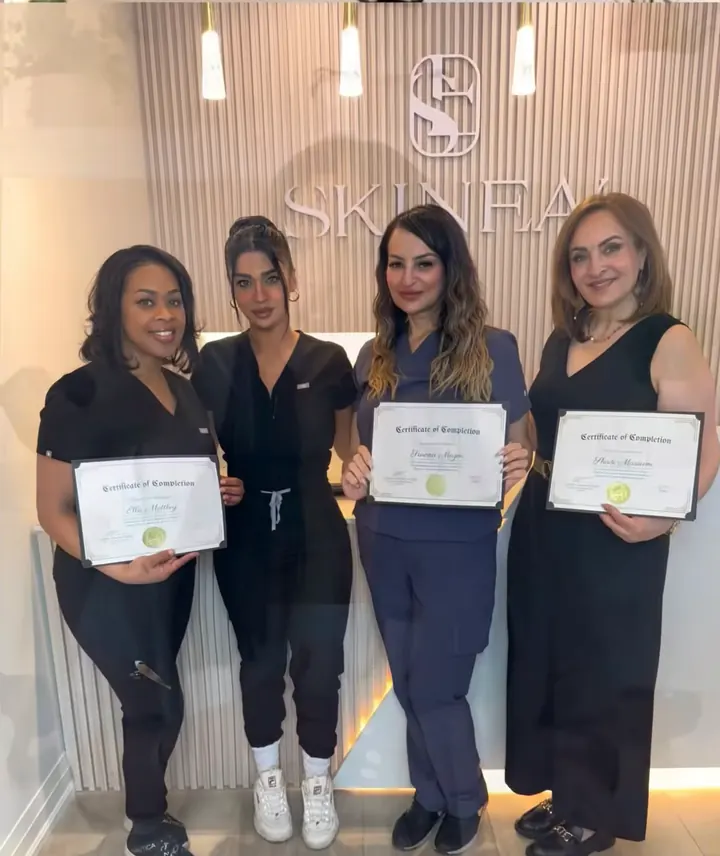
SKINEAV Academy courses run over 3 intensive days of about 5–7 hours each, in person in Vaughan or online via Zoom. They include supervised live-model practice (in person), basic marketing training, your SKINEAV certification and the equipment you need to start, plus six months of mentorship. See the courses.
Regulations in Ontario
Tattooing businesses in Ontario operate as personal service settings and are inspected by local public health. Check the current requirements with your local public health unit before you start taking clients.
What can the career look like?
The work can offer flexible hours and control over your own pricing. There is no typical income and no promise: what you earn depends on your skill, pricing, location, marketing and how consistently you book clients. Nothing is guaranteed.
Quick answers
Can I learn camouflage tattooing without tattoo experience?
Yes, with structured training that starts at the basics and includes supervised practice.
How long does training take?
It depends on the programme. Look for hands-on practice and mentorship after the course, not just classroom days.
Is camouflage tattooing in demand?
Clients actively search for stretch mark, scar and vitiligo camouflage, and relatively few artists specialise in it.
“In the beginning, your portfolio is everything. People need to see your work before they trust you with their skin.”
Evelyn Alvares Vega, SKINEAV Academy
Real results and real moments
How training works
- Free callTalk through your goals, the right format and current offers.
- Reserve your seatIn person in Vaughan or live online via Zoom.
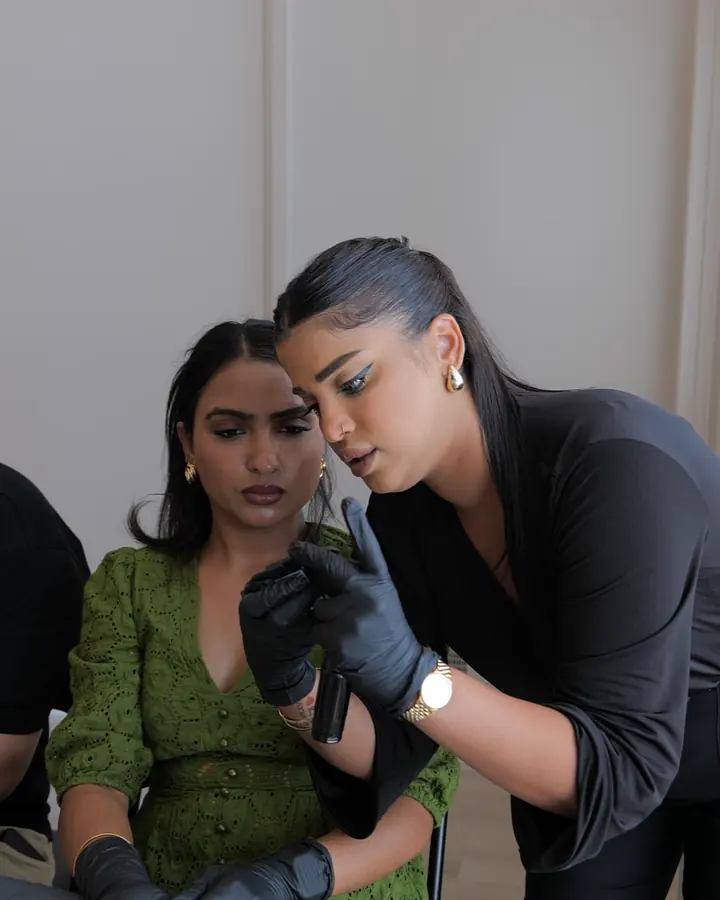
- 3 intensive daysColour theory, technique and supervised practice with Evelyn.
- Six months of mentorshipFeedback on your work while you build your business.