
Academy · Safety
Camouflage tattoo contraindications: when to say no
The most important skill in camouflage may be knowing when not to tattoo. Here is the framework taught at SKINEAV Academy.
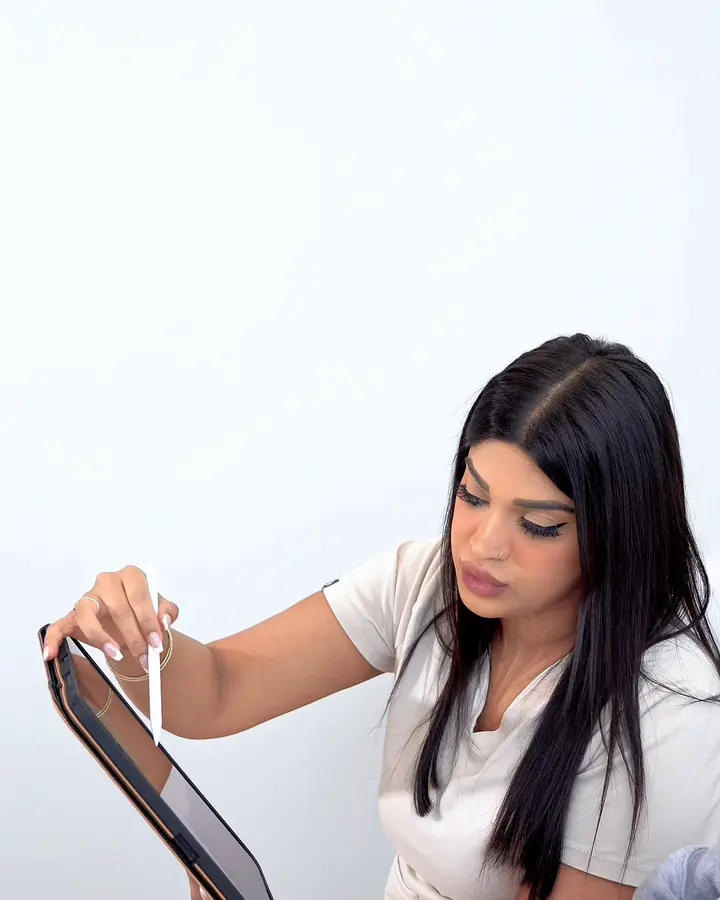
This is an educational overview, not medical advice. When in doubt, refer the client to their doctor and wait.
Skin-related reasons to wait or decline
- Scars that are not fully healed and mature: red, pink, raised, itchy or changing
- Keloids or keloid-prone skin
- Vitiligo that is active or not confirmed stable
- Active skin conditions, infection, irritation or broken skin in the area
- New, changing, raised, itchy or bleeding spots: refer to a doctor first
- Sunburn or a fresh tan on the area
“In the beginning, your portfolio is everything. People need to see your work before they trust you with their skin.”
Evelyn Alvares Vega, SKINEAV Academy
Client-related reasons to wait or get clearance
- Pregnancy or breastfeeding
- Medical conditions or medications that affect healing or bleeding: ask for medical clearance
- Unrealistic expectations that consultation cannot correct
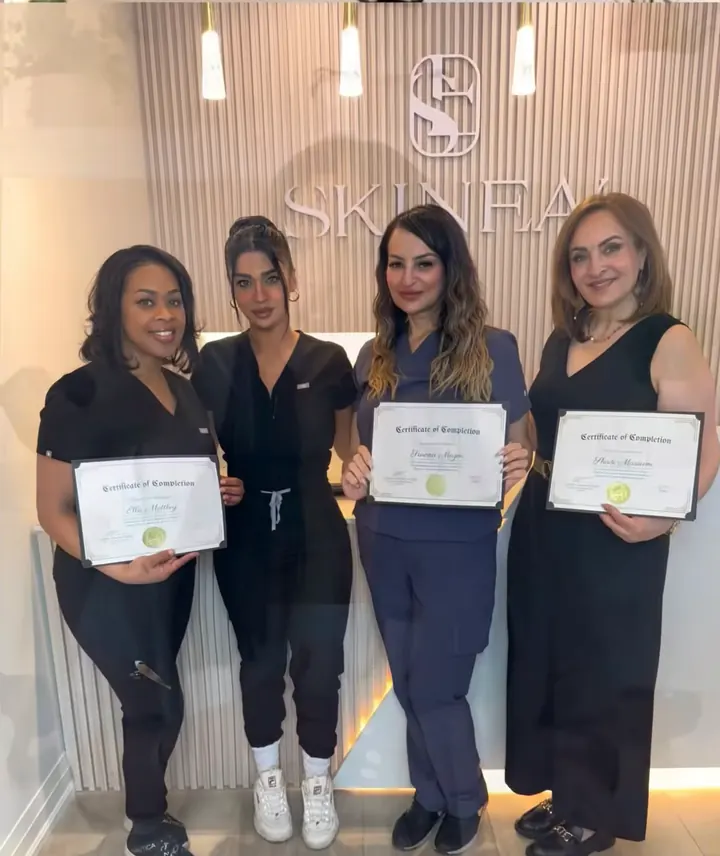
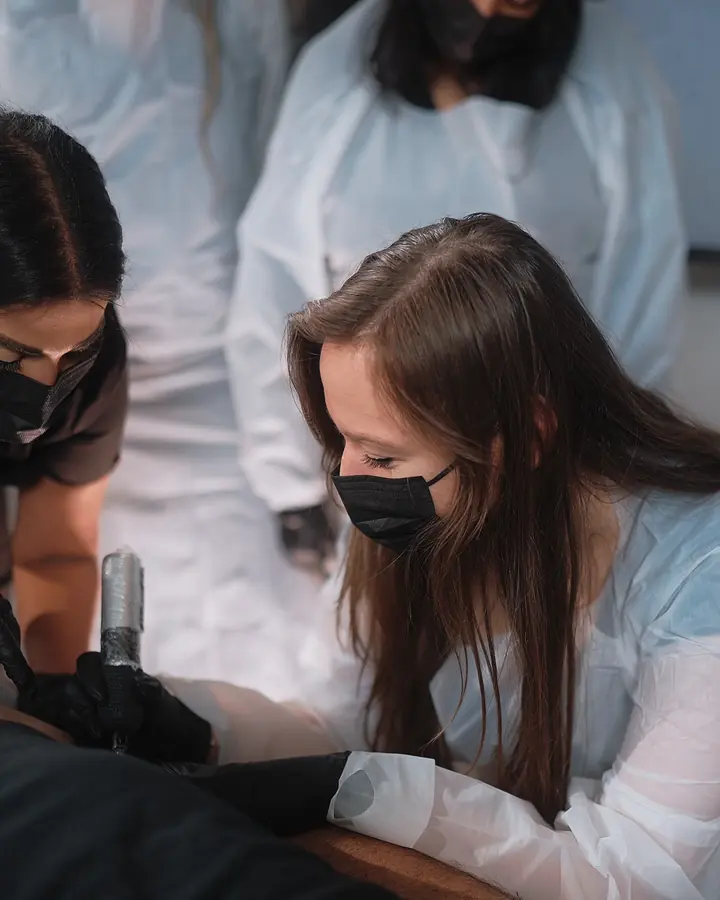
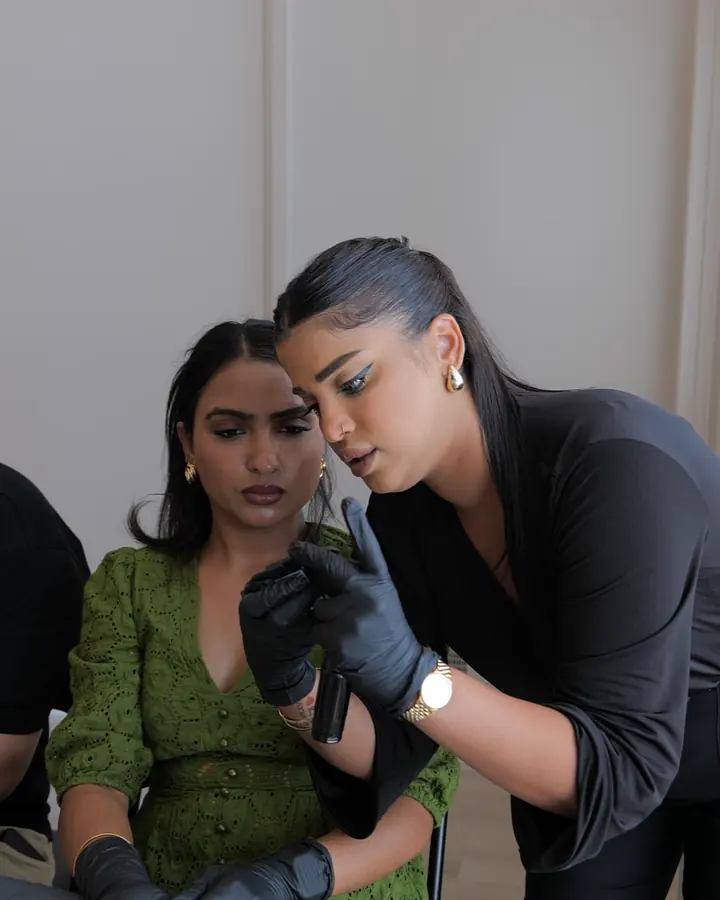
Real results and real moments
Saying no well
Explain clearly why, without jargon. Suggest who to see, if relevant. Leave the door open for later. Clients remember an honest no and often return, or refer friends.
How training works
- Free callTalk through your goals, the right format and current offers.
- Reserve your seatIn person in Vaughan or live online via Zoom.
- 3 intensive daysColour theory, technique and supervised practice with Evelyn.
- Six months of mentorshipFeedback on your work while you build your business.
Documentation
Use a written health questionnaire and consent form every time, and keep notes. This protects your clients and your business. All of this is covered in the SKINEAV courses.
Frequently asked questions
When should a camouflage artist refuse treatment?
For example, immature scars, keloids, unstable vitiligo, broken or irritated skin, or any uncertain spot that a doctor should see first.
Is pregnancy a contraindication?
The cautious practice is to postpone elective camouflage during pregnancy and breastfeeding.