
Training · Certification
Skin camouflage certification online: what it really means in the US
"Certified" is one of the most used words in beauty education, and one of the most misunderstood. Here is what an online camouflage certificate can and cannot do for you.
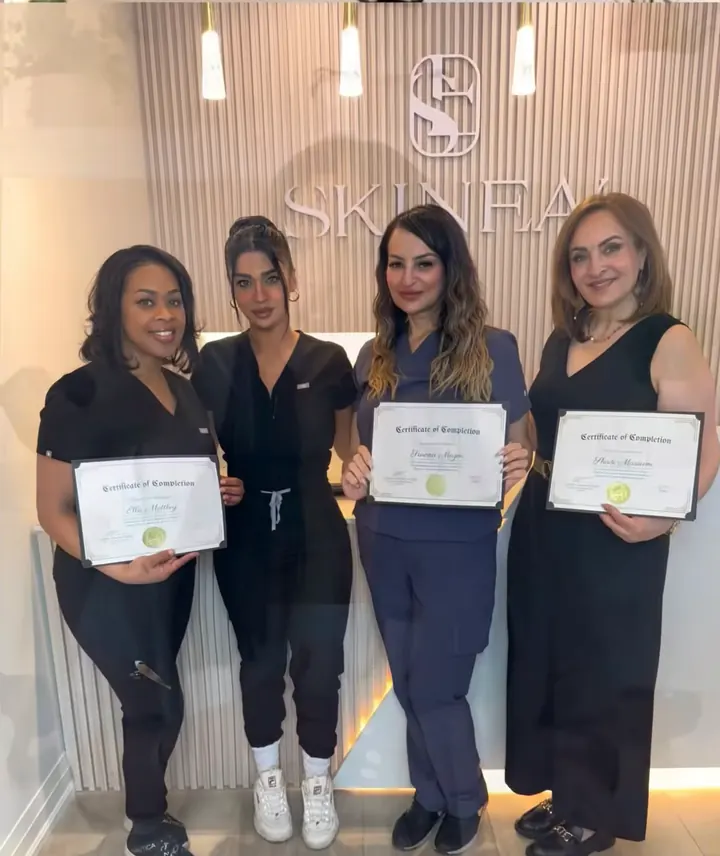
Certificate, certification, license: three different things
When artists search for skin camouflage certification online, they are usually looking for proof that they are qualified to offer camouflage. The trouble is that three very different things often get blurred together.
- A certificate of completion is issued by a training provider. It shows you finished a course. It is useful for your portfolio and for clients, and some studios and insurers ask for it.
- A certification sometimes means an exam-based credential from an independent body, and sometimes is just marketing language for a course certificate. Read carefully.
- A license, permit or registration comes from government: a state agency, a county or city health department, or a professional board. It is what legally allows you to tattoo in a given place.
No online course can issue a US state license. Any course that implies its certificate lets you legally tattoo anywhere is misleading you.
What US states actually require
Tattoo and permanent cosmetic rules vary enormously across the US. Some states license individual artists, such as Washington, Tennessee and Virginia. Some license the facility instead, such as Michigan. Others leave it mostly to counties and cities, such as Maryland and Ohio. A few, like South Carolina, add specific restrictions on age, location and body area.
Common requirements include bloodborne pathogens training, a minimum age, working in an inspected studio, and sometimes an exam or apprenticeship. A camouflage certificate rarely replaces any of these. See our guide to paramedical tattoo licensing by state for an overview, and always confirm with your local authority.
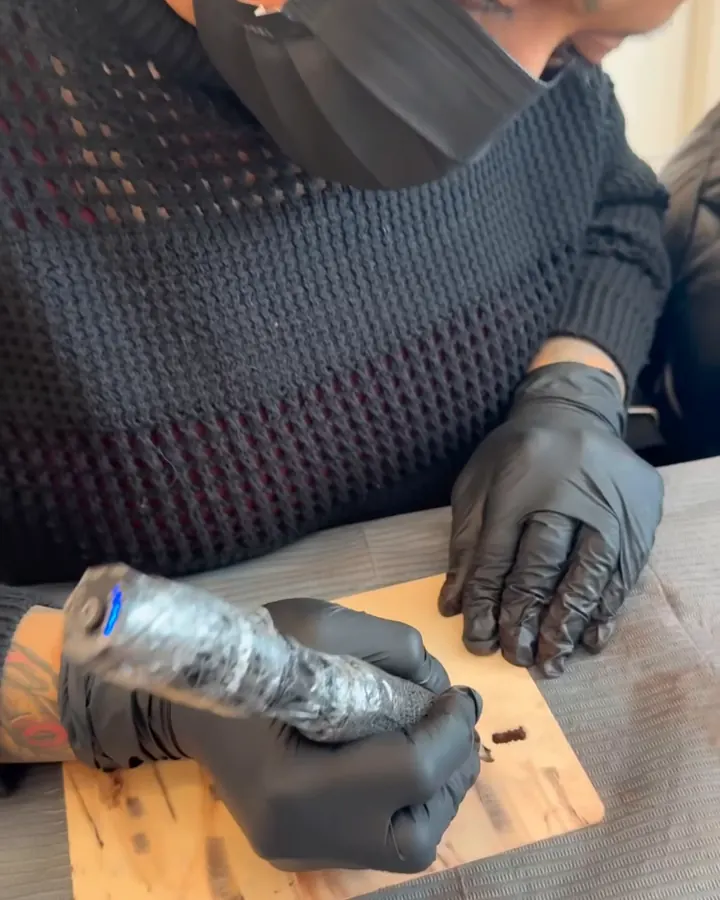
So why get a camouflage certificate at all?
Because the skill matters, and the certificate is evidence that you took the time to learn it properly. Most licenses prove you can work safely and hygienically. They do not prove you can match pigment to scar tissue, assess whether a stretch mark is ready, or explain to a client what camouflage can and cannot do. That is what specialist training is for.
A good certificate also tells clients and referral partners something about who trained you. A surgeon deciding whether to mention your name to patients is far more interested in your training, your portfolio and your judgement than in the paper itself.
How to judge an online camouflage course
- Is it live or recorded? Recorded videos are cheaper but cannot correct your hand. Live one-on-one training can.
- Who teaches it? Look for years of real camouflage experience, not just PMU.
- Is there practice? You should work on practice skin with feedback before any client.
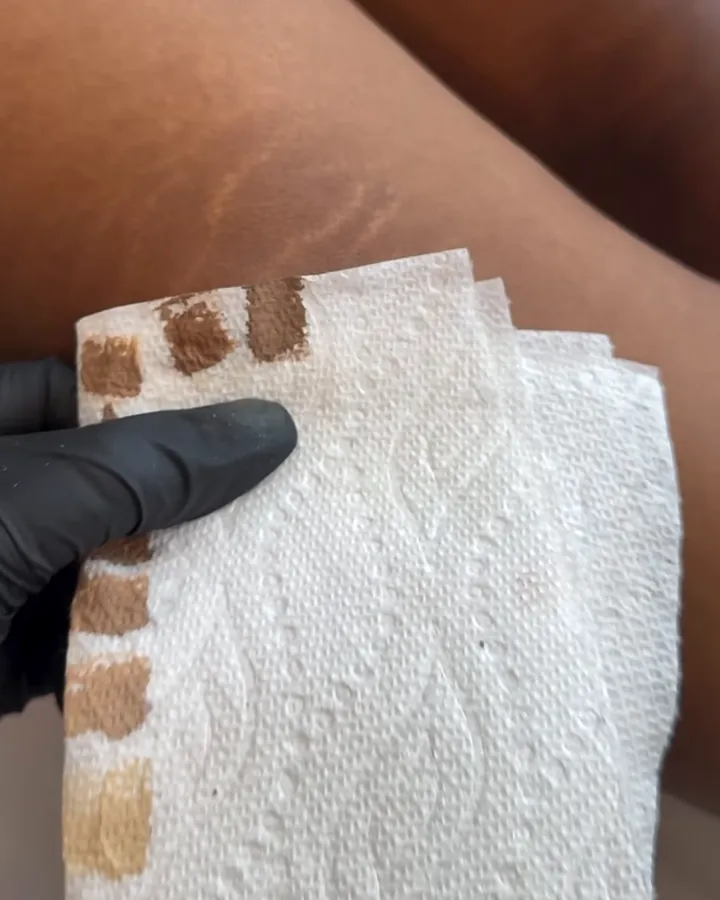
- Does it cover colour theory for every skin tone? This is the heart of camouflage.
- Does it teach when to say no? Screening and referral are as important as technique.
- Is the certificate described honestly? It should say clearly that it is not a license.
- What happens after? Mentorship for real cases is worth more than the certificate.
Read questions to ask before a paramedical course and how to choose the best online paramedical tattoo course.
Red flags in certification marketing
Be cautious of courses that promise you will be "licensed" or "board certified" after a weekend, that guarantee income or a client list, that show only dramatic before-and-after photos with no explanation, or that never mention your state's rules. Be equally cautious of courses that promise camouflage can make scars or vitiligo "disappear". Honest training talks about blending and softening, about multiple sessions, and about cases that should not be treated.
Why the licensing gap matters for clients
Clients rarely know the difference between a certificate and a license. When they see "certified camouflage artist", many assume someone has checked that you are allowed to tattoo and that you are competent. That is why honest language matters. If you describe your training accurately, list the license or permit you actually hold, and explain how your studio meets local rules, you protect your clients and your reputation. It also makes it far easier for surgeons and dermatologists to refer to you.
Insurance, studios and your certificate
Many artists first discover how much their certificate matters when they look for insurance or a studio to work in. Some insurers and studio owners ask for proof of specialist training before they will cover or host camouflage work, and a certificate from a recognised instructor helps. But insurers and studios also ask about your license, your bloodborne pathogens training and your hygiene practices. A certificate is one part of a professional file, not the whole file.
A simple checklist before you enrol
- Find out what license, permit or registration your state, county or city requires for tattooing or permanent cosmetics
- Check whether camouflage on the body falls under that license where you work
- Confirm your studio or facility meets local rules
- Ask the course provider exactly what their certificate says
- Ask what support you get after the course for real cases
With those answers in hand, a camouflage certificate becomes a real asset rather than a piece of paper that promises more than it delivers.
How long a camouflage certificate takes to mean something
A certificate marks the end of a course, but it is the beginning of real competence. Most artists only feel truly confident with camouflage after months of practice on practice skin and a series of carefully chosen, mentored cases. During that time, the certificate tells people you were trained; your growing portfolio, written consent records and honest consultations are what show you are skilled. When you compare courses, look at what they offer for that stage: can you send photos of a planned case and get feedback before you start? Can you ask questions when a healed result surprises you? A course that stays with you through those first months gives your certificate far more weight than one that ends on the last day. That is why SKINEAV includes six months of mentorship after the training.
Key takeaways
- A certificate of completion proves training, not permission to tattoo.
- Licenses, permits and registrations come only from state or local government, and the rules vary across the US.
- Specialist camouflage skill, colour theory, screening and honest consultations are what a good course adds on top of your license.
- Judge a course by live feedback, practice, honesty about its certificate and support after the last session.
- Describe your credentials to clients accurately, and they will trust you more for it.
What the SKINEAV certificate is
SKINEAV issues a Certificate of Completion when you finish Evelyn's training. It shows that you completed the curriculum and practical work. It is not a state license, permit or registration, and our pages say so plainly. Before you tattoo anyone in the US, check and follow the rules of your state, county and city.
Evelyn's live 1:1 online paramedical camouflage course covers the full basics, learning on practice skin, theory, machine and ink, pigment chemistry basics, and the business side: your audience, a pricing strategy you set yourself, and session spacing. Tuition is $2,997 USD, or $3,697 USD with the training kit shipped to the US, with payment plans available (for example a $500 deposit + 3 x $999). It is taught live over Zoom from Canada, and SKINEAV has no US location. You receive a Certificate of Completion, which is not a license, and six months of mentorship.
Licensing note: the SKINEAV Certificate of Completion shows you finished Evelyn's training. It is not a state license, permit or registration. Before you tattoo anyone in the US, check and follow the rules of your state, county and city.
Frequently asked questions
Can I get skin camouflage certification online?
You can earn a certificate of completion from an online course. It shows you completed training. It is not a government license.
Is a camouflage certificate the same as a tattoo license?
No. Licenses, permits and registrations come from state or local government. A course certificate does not replace them.
Do US states require camouflage-specific certification?
Most do not have a camouflage-specific credential. They regulate tattooing and permanent cosmetics generally, and rules vary by state, county and city.
What should a good online camouflage course include?
Live feedback, practice on practice skin, colour theory for all skin tones, screening and referral, honest certificate language and mentorship afterwards.
Does the SKINEAV certificate let me work in any state?
No. It is a Certificate of Completion only. Your state and local rules still apply.