
Careers · Comparing
Scar camouflage vs microblading as a career
Microblading is the most popular way into permanent cosmetics. Scar camouflage is one of the most specialised. Here is how they compare.
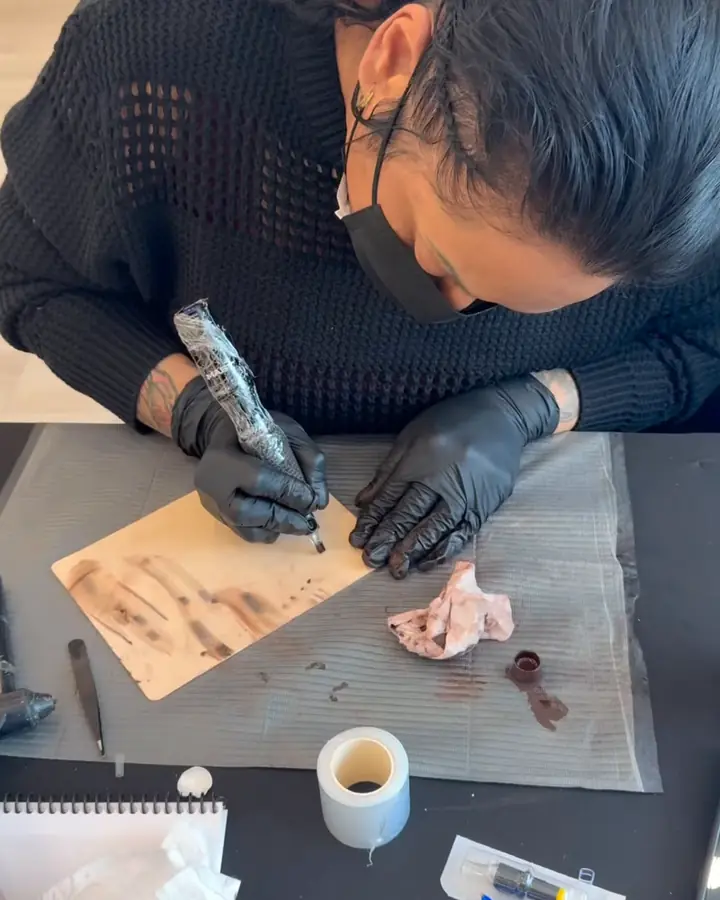
Two very different skills
Microblading uses a hand tool to create fine, hair-like strokes in the eyebrows. Scar camouflage uses a machine and custom skin-toned pigment to blend lighter scars and stretch marks toward the surrounding skin, usually on the body. Both are cosmetic tattooing, and both are regulated as tattooing or body art in most US states. Beyond that, they are quite different jobs.
Learning curve
Microblading can be learned to a basic level relatively quickly, and many artists start there. Mastery takes longer, especially brow design and healed consistency.
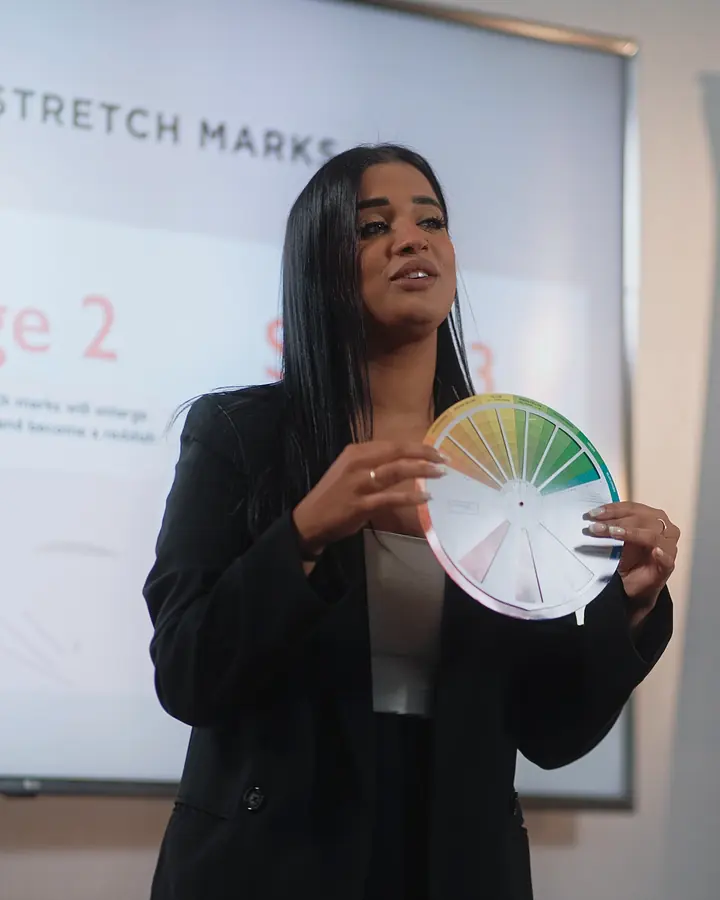
Camouflage generally has a steeper curve. You need colour theory for skin, judgment about which scars to treat, technique adjusted for scar tissue, and patience across several sessions. Many camouflage artists come from PMU or tattooing first. Read camouflage course vs PMU course.
Competition and demand
Microblading is everywhere. In most US cities there are many artists, and clients compare prices easily. Demand is large, but so is supply.
Scar and stretch mark camouflage is offered by far fewer artists. Demand is smaller in volume but highly motivated: clients search specifically and are often willing to travel or wait. That is why many artists see camouflage as a way to add a high-demand service where they face less direct competition.
Clients and conversations
Microblading clients often come for a style or convenience. Appointments are usually upbeat and fairly quick.
Camouflage clients often come with a story: a surgery, a pregnancy, an accident or years of self-consciousness. Consultations take longer and need empathy, honesty and sometimes a referral to a doctor. Many artists find this the most meaningful work they do; others prefer the lighter pace of brows. Read working with clients with scars.
Session patterns and scheduling
Microblading usually involves an initial session and a touch-up, then periodic refreshes. Camouflage usually involves a consultation, a test or first session, then further sessions spaced weeks apart. Sessions can be longer. Planning session spacing well is part of running a camouflage service, and something SKINEAV covers in the marketing module of its course.
Pricing approach
With microblading, local market prices are very visible, and many artists compete on price. With camouflage, you have more room to set your own prices based on the specialist skill, the time involved and the number of sessions a case needs. Either way, your prices are yours to decide. Avoid basing a career decision on income claims you see online.
Licensing considerations
Both are usually treated as tattooing. In Florida, for example, the Department of Health lists microblading and cosmetic tattooing under the tattoo artist license. In Georgia, the state body art rules recognise microblading as its own specialty alongside tattooing, so check which certification covers camouflage. Always confirm with your agency; see paramedical tattoo licensing by state.
A side-by-side summary
- Main tool: microblading uses a manual blade of fine needles; camouflage generally uses a machine.
- Main area: microblading is eyebrows; camouflage is mostly the body, plus some facial scars.
- Colour skill: microblading needs brow colour selection; camouflage needs custom skin-tone matching.
- Client screening: both need it, but camouflage screening is more detailed.
- Sessions: microblading is usually one session and a touch-up; camouflage is often several sessions.
- Competition: microblading is crowded; camouflage has far fewer specialists.
- Regulation: both are usually treated as tattooing or body art.
Which should you learn first?
If you are new to the beauty industry, microblading or powder brows can be a gentler first step, because they teach pigment behaviour, hygiene and client care with smaller, more predictable areas. If you already do brows, lips or tattoos, camouflage is a logical next step that builds on what you know. If you are a nurse or esthetician with deep skin knowledge, you may be drawn straight to camouflage, but expect to spend extra time on machine technique. Whichever you choose, check your state's rules first and pick training with real feedback and support.
Thinking long term
Trends in brows come and go. Shapes, styles and techniques change every few years. Scars and stretch marks, on the other hand, are a permanent part of many people's lives, and demand for camouflage is tied to surgery, pregnancy and life events rather than fashion. That is one reason artists who want a long-term specialty often add camouflage once their foundation is solid.
What clients search for
Brow clients usually search by style or convenience: "microblading near me", "powder brows" or "ombre brows". Camouflage clients search by problem: "stretch mark camouflage", "C-section scar tattoo", "scar camouflage near me" or "cover white stretch marks". That difference shapes marketing. Brow marketing leans on style and availability; camouflage marketing leans on trust, education and honest explanations of what is possible. If you enjoy writing helpful content, answering questions and building long relationships, camouflage marketing will feel natural. If you prefer quick, visual social posts and a high volume of short appointments, brows may suit you better, at least as your main service.
Whichever you choose, clear, honest information online helps clients find you and arrive with realistic expectations.
Why many artists do both
The most common path is not either-or. Many artists build steady bookings with brows, then add camouflage as a specialist service. The two support each other: brow clients mention scars, camouflage clients book brows, and the colour skills you develop in camouflage often improve your PMU work too.
If you already microblade and want to add camouflage, read adding scar camouflage to your PMU business, and look at Evelyn's live 1:1 online paramedical camouflage course. State guides include New Jersey, Illinois and Virginia.
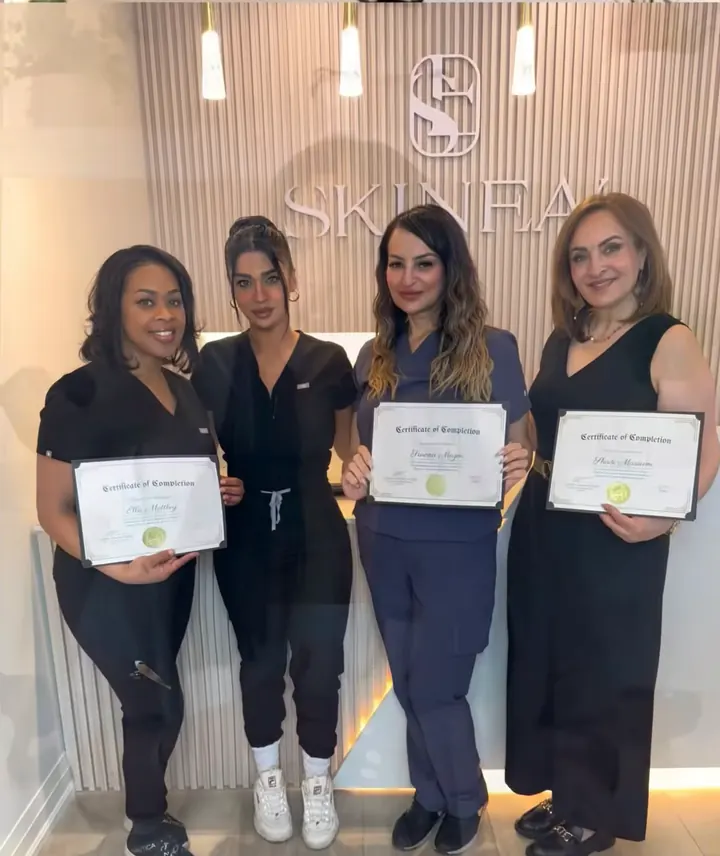
Licensing note: the SKINEAV Certificate of Completion shows you finished Evelyn's training. It is not a state license, permit or registration. Before you tattoo anyone in the US, check and follow the rules of your state, county and city.
Frequently asked questions
Is scar camouflage harder than microblading?
Generally yes. It requires skin-tone colour matching, scar assessment and technique adjusted for scar tissue.
Which has more competition?
Microblading. Far fewer artists offer scar and stretch mark camouflage.
Can I learn camouflage if I only microblade?
Yes, with specialist training. Machine work is usually part of camouflage, so expect to learn machine technique.
Do both need a license?
In most states both are treated as tattooing or body art and need a license, permit or registered studio.
Should I choose one or do both?
Many artists do both: brows for steady bookings, camouflage as a specialist service.