
Academy · Clients
Working with clients with scars: care and language
Many camouflage clients have hidden an area for years. The way you speak to them matters as much as your technique.

Language
| Instead of | Try |
|---|---|
| "How did this happen?" | "Tell me what you would like to change." |
| "We'll make it disappear." | "We can make it less noticeable." |
| "That's nothing, don't worry." | "I understand why it matters to you." |
| "Ugly", "bad", "damaged" | "Lighter", "the scar", "this area" |
“In the beginning, your portfolio is everything. People need to see your work before they trust you with their skin.”
Evelyn Alvares Vega, SKINEAV Academy
Privacy
Private room, only the treated area uncovered, and no photos without explicit consent.
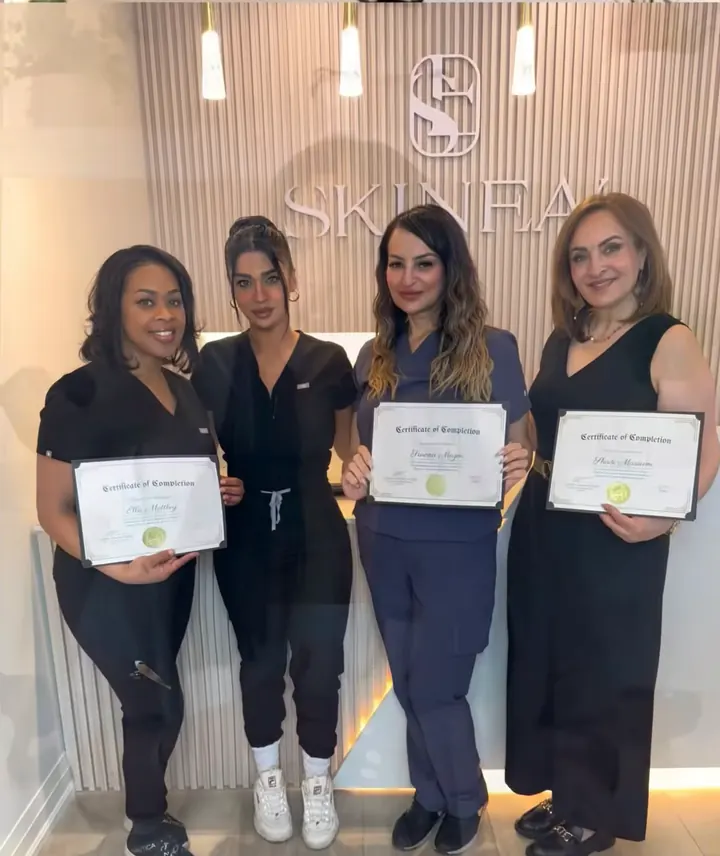
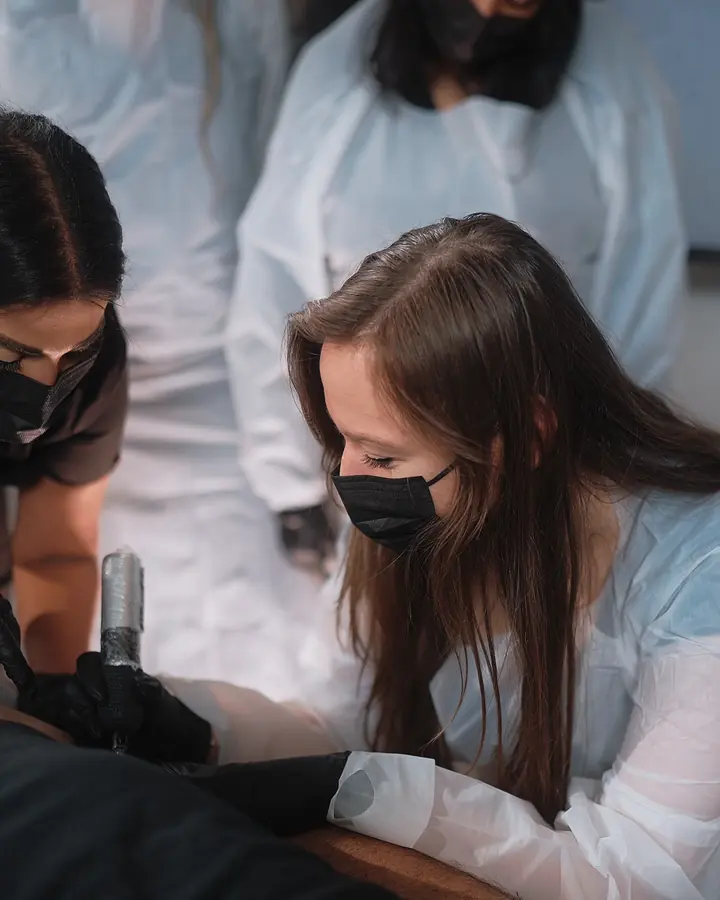
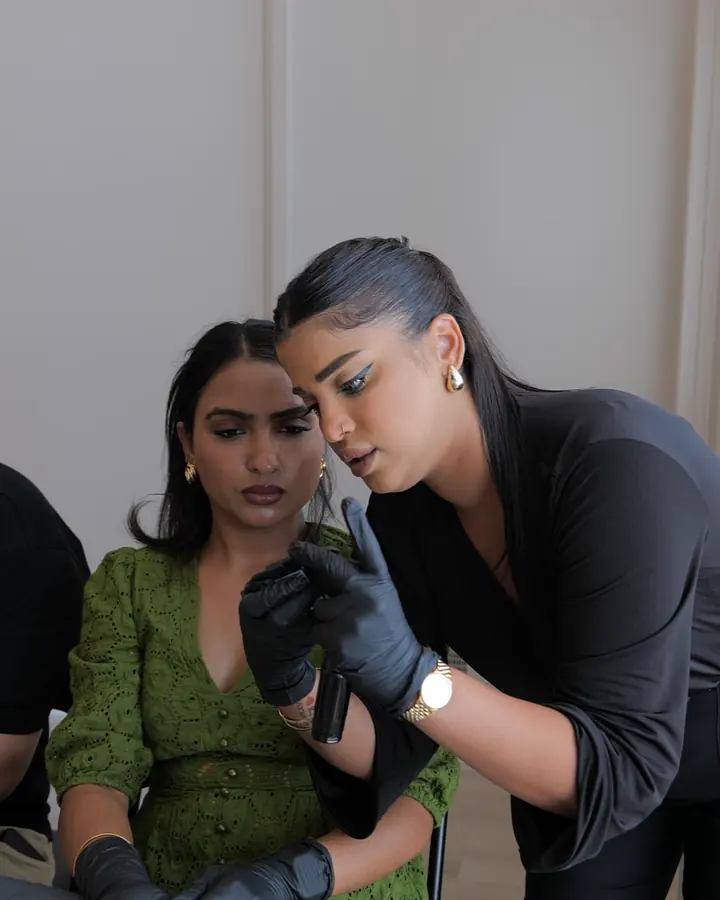
Real results and real moments
Pacing
Let the client lead. Offer breaks. Explain what you are doing before you do it.
How training works
- Free callTalk through your goals, the right format and current offers.
- Reserve your seatIn person in Vaughan or live online via Zoom.
- 3 intensive daysColour theory, technique and supervised practice with Evelyn.
- Six months of mentorshipFeedback on your work while you build your business.
Self-harm scars
Never ask about the cause. If a client seems to be in distress, encourage them to contact a health professional or someone they trust. Your role is cosmetic; know its limits. See how SKINEAV approaches self-harm scar camouflage.
Expectations
Honesty is kindness. A client told the truth about limits is far happier than one promised too much.
Before the first appointment
Clients often send a photo with a short message and wait anxiously for your reply. Respond kindly, specifically and promptly. Thank them for sharing, say what you can see, and say what you would need to give a proper answer.
During the session
Narrate gently: "I am going to clean the area now", "you will feel a light scratching". Check in without making a fuss. Some clients like to talk, others want quiet; follow their lead.
After the session
A short message a few days later asking how healing is going shows that you care about the person, not only the result. It also catches small aftercare issues early.
Looking after yourself
Clients sometimes share painful stories. It is fine to listen kindly without taking on the role of a counsellor. Know who to suggest they speak to, and take time to reset between appointments.
Frequently asked questions
Should I ask a client how they got their scar?
No. Let them share only what they want.
What if a client seems distressed?
Encourage them to contact a health professional or someone they trust. Camouflage is cosmetic; know the limits of your role.