
Academy · Clients
Consultation skills for camouflage artists
Results are made at the consultation as much as in the session. That is where expectations, trust and the plan are set.
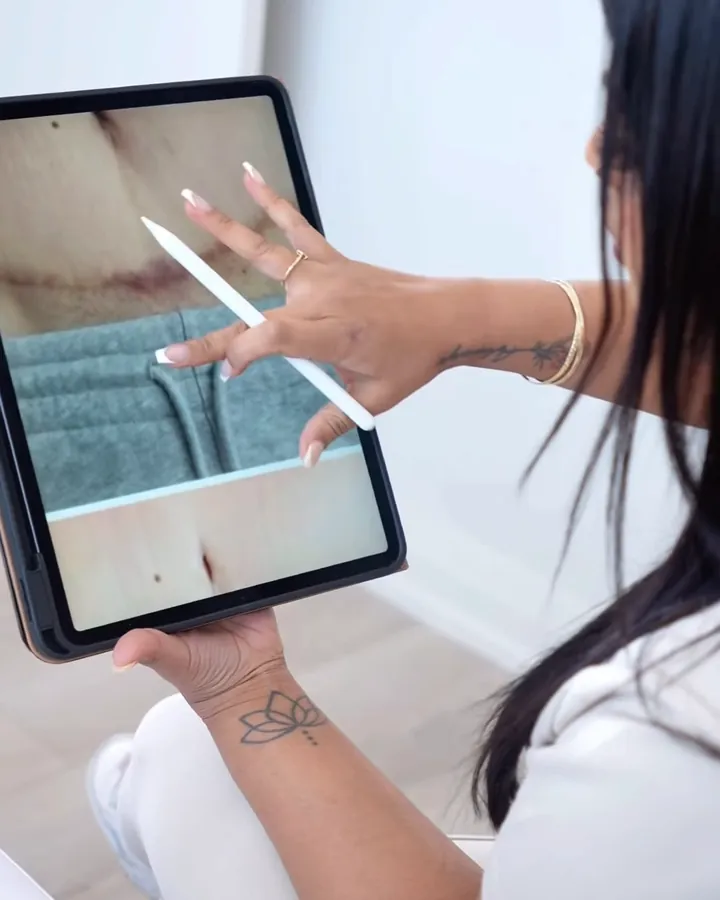
Listen first
Ask what bothers the client and when they notice it most. "I can't wear shorts" and "I hate it in photos" are different goals.
“In the beginning, your portfolio is everything. People need to see your work before they trust you with their skin.”
Evelyn Alvares Vega, SKINEAV Academy
Assess honestly
Healing stage, texture, colour contrast, skin tone and undertone, sun habits, health history. Tell the client what you see in plain words.
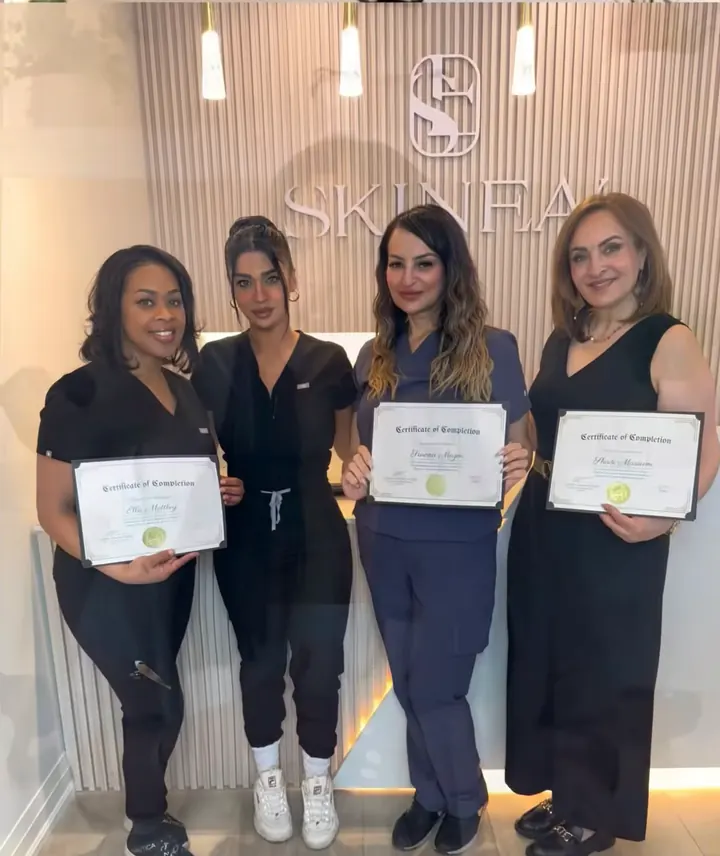
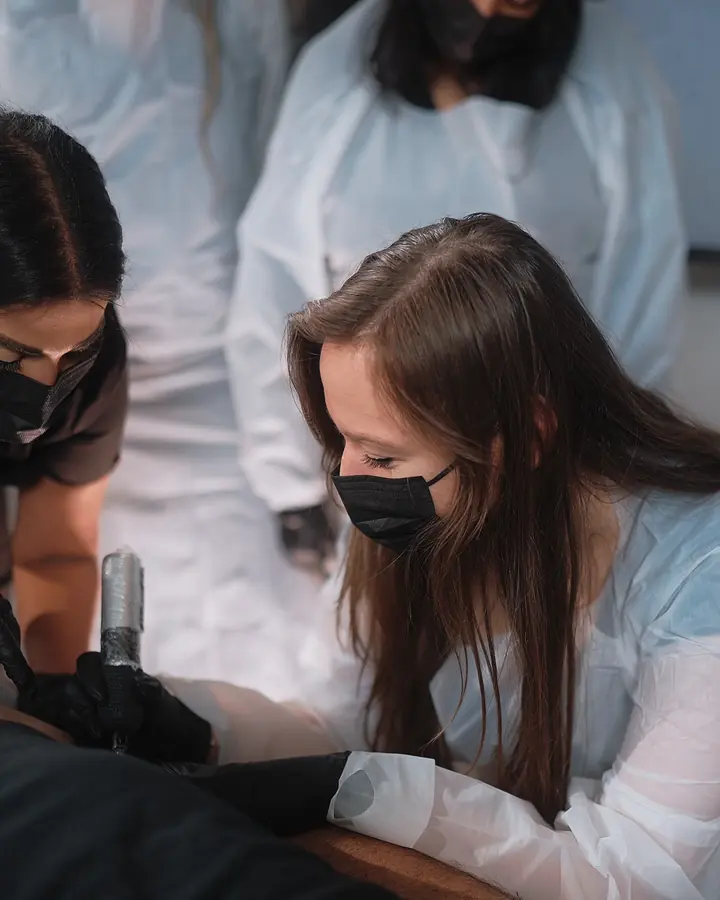
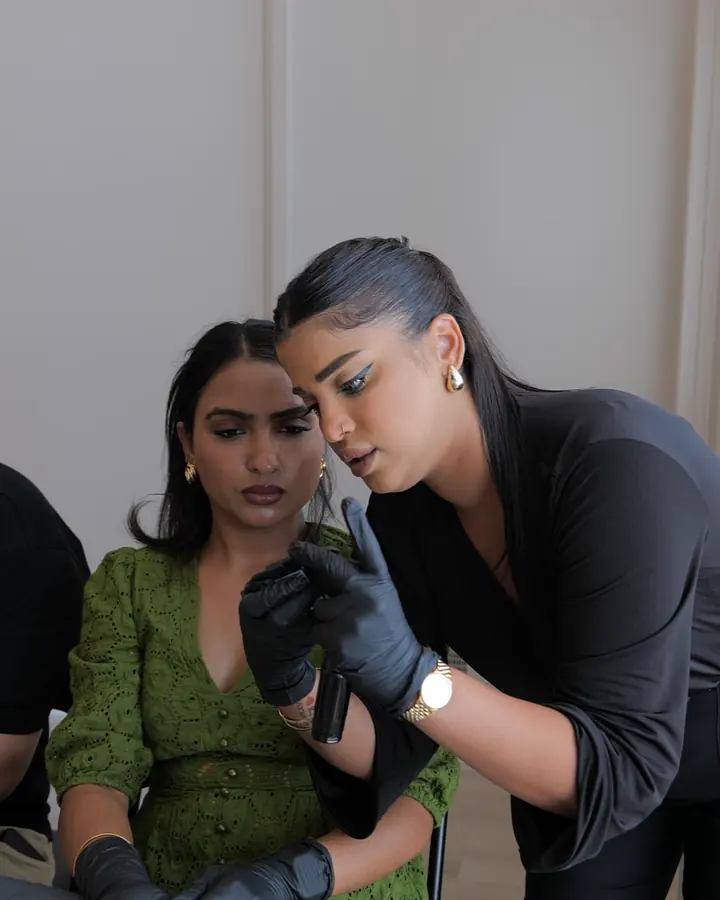
Real results and real moments
Set expectations
Explain clearly: camouflage reduces colour contrast; it does not change texture or erase marks. Explain that more than one session is common. Write it down in the plan.
How training works
- Free callTalk through your goals, the right format and current offers.
- Reserve your seatIn person in Vaughan or live online via Zoom.
- 3 intensive daysColour theory, technique and supervised practice with Evelyn.
- Six months of mentorshipFeedback on your work while you build your business.
Test colour
A colour test on the skin shows the client what you mean and gives you information about their undertone.
Sensitive cases
Self-harm scars, mastectomy-related concerns, burn survivors: let the client lead the conversation. Do not ask how a scar happened. A private room and an unhurried pace matter.
Price and consent
Give a clear price for their case and a written consent form. No pressure to book on the spot.
Reading the room
Some clients arrive with research and specific questions. Others are nervous and quiet. Adapt: give detail to those who want it, and simple reassurance to those who need it.
Documenting the consultation
Note the client's goals in their own words, your assessment, the colour test, the plan, the price and anything you advised against. Take baseline photos in your standard light. This record protects both of you.
When the answer is no
Explain why, kindly and specifically. Suggest who might help instead. Invite them back if the situation may change, such as a scar that needs more time to mature. A respectful no often earns referrals.
Frequently asked questions
What should happen in a camouflage consultation?
Listening to goals, honest assessment, expectation-setting, a colour test, a clear price and written consent.
Should I ask how a client got their scar?
No. Let the client share only what they want to.