
Academy · For PMU artists
For PMU artists: adding camouflage to your menu
What PMU artists need to learn to move into scar, stretch mark and vitiligo camouflage: skills that transfer, what is different, colour for body skin, and positioning your service.
If you already do brows, lips or eyeliner, you have a head start in camouflage. You understand pigment, machines, hygiene and clients who care deeply about how they look. Many PMU artists add camouflage because clients keep asking about scars and stretch marks, and because it lets them work on something that can change how a person feels about their whole body. But camouflage is not simply PMU on a different area. This guide explains what transfers, what is new and how to position the service.
Skills that transfer
- Machine handling and hand control.
- Hygiene and infection prevention.
- Colour theory basics and pigment knowledge.
- Consultation and consent.
- Managing healing and touch-ups.
- Client photography and social media.
What is different
Body skin behaves differently. Abdomen, thighs, arms and back vary in thickness, movement and how they hold pigment. Settings that work on brows may not suit stretch marks.
Scar tissue is its own material. It can lack melanin, be shinier, firmer or more fragile, and take pigment unevenly. Assessment and technique must adapt.
Colour matching is the whole job. In brows, you choose a flattering colour. In camouflage, you must match skin, including undertones and seasonal shifts, so the result blends in rather than stands out. Custom mixing becomes central.
Suitability is stricter. Immature, red, raised or keloid scars, active vitiligo and some pigmentation conditions are not suitable. You need confidence to say no.
Expectations need careful handling. Camouflage reduces contrast; it does not erase. Clear communication protects your clients and your reputation.
Colour for body skin
Learn to read the skin around the mark, not the face. Understand how pigment heals lighter or warmer in scar tissue, how to dilute and layer, and how to plan multi-session builds. Testing colour and judging it healed is essential.
Positioning camouflage in a PMU business
- Name it clearly: scar camouflage, stretch mark camouflage, vitiligo camouflage. Clients search for these terms.
- Show healed results and explain the process honestly.
- Create separate consultations for camouflage, with photo assessments to filter suitability.
- Educate: blog posts, FAQs and videos about what camouflage can and cannot do build trust.
- Build referrals with surgeons, clinics and dermatology offices.
Pricing thoughtfully
Camouflage pricing typically reflects area, number of sessions and complexity. Avoid underpricing to get started, which can be hard to change later, and avoid promising fixed outcomes. Consultations with colour tests help you quote accurately.
Training that fits experienced artists
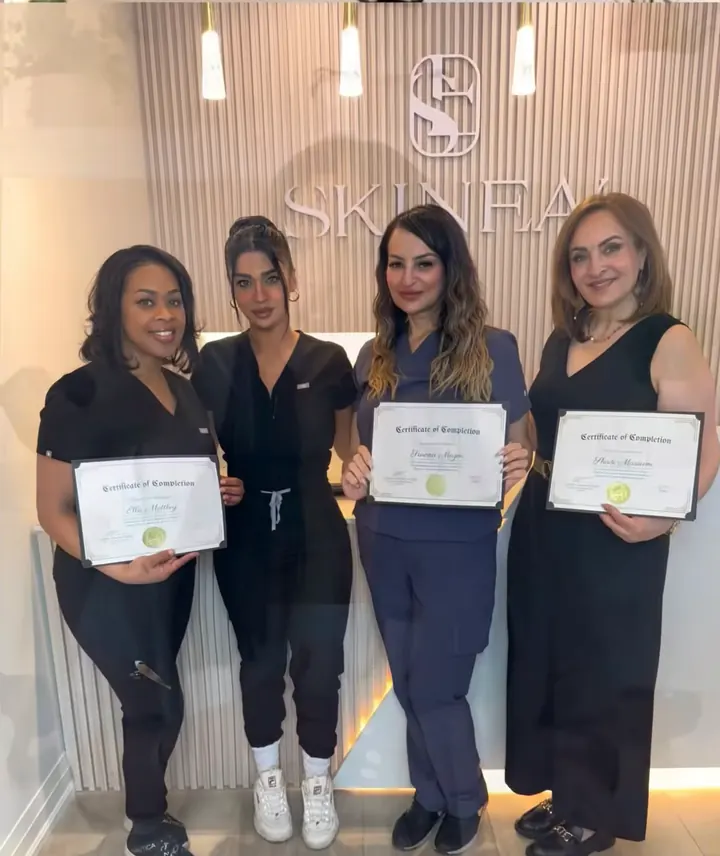
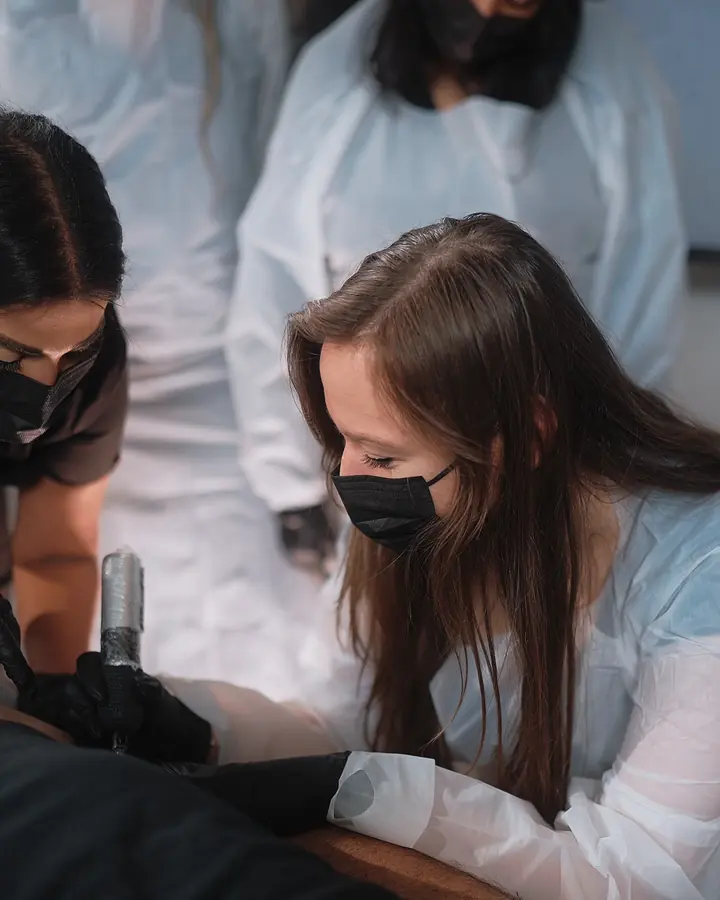
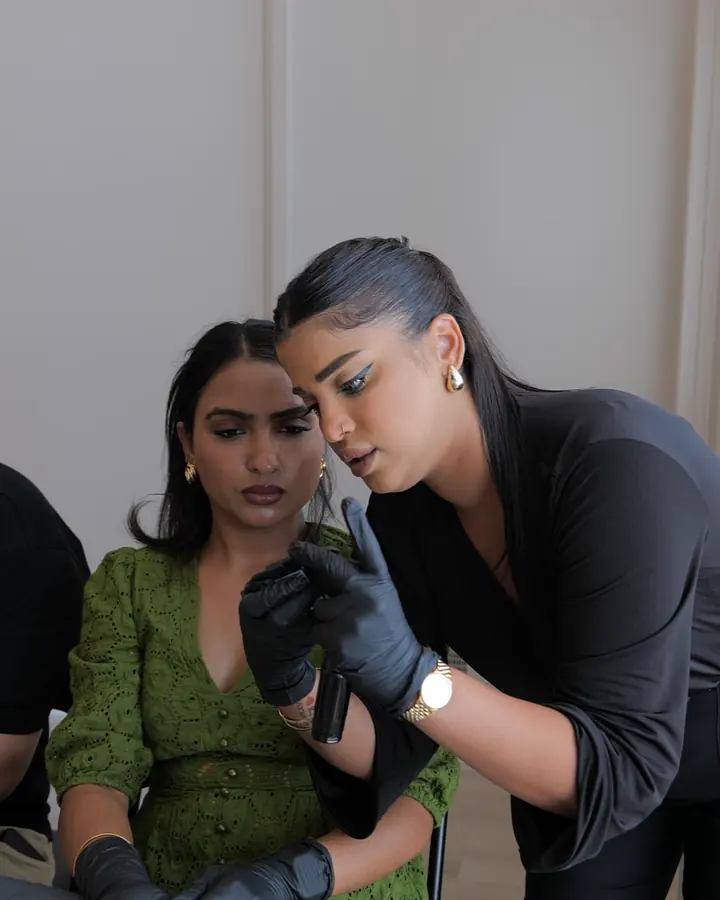
As a PMU artist you may not need everything a beginner does, but you do need focused training on scar assessment, body colour and technique, plus supervised practice on live models. SKINEAV Academy offers 1:1 private training, paced around your level, which suits experienced artists who want to specialise. Small groups of up to 5 are also available. Courses run over 3 intensive days, about 5–7 hours each, in person in Vaughan or online via Zoom, with six months of mentorship after.
Common mistakes to avoid
- Treating scars too early.
- Using a brow-style single colour instead of a custom skin mix.
- Overworking scar tissue in one session.
- Judging results on fresh, not healed, photos.
- Overpromising in marketing.
A first camouflage case for a PMU artist
Many PMU artists start with fine, pale, mature stretch marks on the abdomen or hips, on a client with a medium skin tone and realistic expectations. These cases teach you body technique and colour matching without the extra complexity of burns, grafts or facial work. As your skill grows, you can take on more challenging cases with mentorship.
Integrating camouflage into your booking system
Practical steps that help:
- Add a separate camouflage consultation service with enough time for assessment and colour testing.
- Use a photo assessment form to filter suitability before people book.
- Block longer appointment slots for body sessions.
- Schedule follow-ups at the right interval automatically.
Talking to existing clients
Your brow and lip clients already trust you. Many will know someone with a scar or stretch marks. A simple post or message explaining your new service, with honest healed results, often brings your first enquiries.
Pigments and equipment for body work
Body camouflage may call for different needle configurations, pigment ranges and machine settings than facial PMU. Good training will explain which equipment suits which tissue, how to set up for longer body sessions, and how to manage pigment for custom mixes. SKINEAV courses include all the equipment you need to start.
Ethics and boundaries
Camouflage clients often share personal stories. Respect privacy, use photos only with written permission, and never pressure anyone into treatment. Know when to refer: if a skin concern looks medical, send the client to a doctor before doing anything cosmetic. These habits protect your clients and the reputation of the whole field.
A note on confidence
Experienced PMU artists sometimes feel frustrated going back to being a learner. That is normal. The fundamentals you already have will speed you up, and focused supervision helps you through the new parts quickly.
Learn from a camouflage specialist
Evelyn Alvares Vega has more than 10 years in paramedical tattooing, with certifications from different countries in camouflage, PMU and SMP, and was invited to share camouflage education at WULOP Canada 2026. She teaches both technique and the business side.
See the camouflage courses, download the free career guide, or text 647-492-4584 to talk about which format fits you.
Frequently asked questions
Can PMU artists learn camouflage quickly?
PMU skills transfer, but body skin, scar tissue and skin-matching colour need dedicated training and supervised practice.
Is 1:1 training good for experienced artists?
Yes. SKINEAV's 1:1 private training is paced around your level, which suits artists who want to specialise.
What is the biggest difference from brows?
Colour matching. Camouflage must match skin, including undertones, rather than choose a flattering shade.
Do I need live-model practice?
Yes. Supervised work on live models is essential for confidence on real scar tissue.
Does SKINEAV teach the business side?
Yes, including pricing, consultations and how to get clients.
“In the beginning, your portfolio is everything. People need to see your work before they trust you with their skin.”
Evelyn Alvares Vega, SKINEAV Academy
Real results and real moments
How training works
- Free callTalk through your goals, the right format and current offers.
- Reserve your seatIn person in Vaughan or live online via Zoom.
- 3 intensive daysColour theory, technique and supervised practice with Evelyn.
- Six months of mentorshipFeedback on your work while you build your business.