
Licensing · United States
Permanent makeup license vs tattoo license: which one covers camouflage?
Many PMU artists assume their brow license covers scar camouflage on the body. In some states it might; in others it clearly does not. Here is how to find out before you take your first client.
Why this question matters
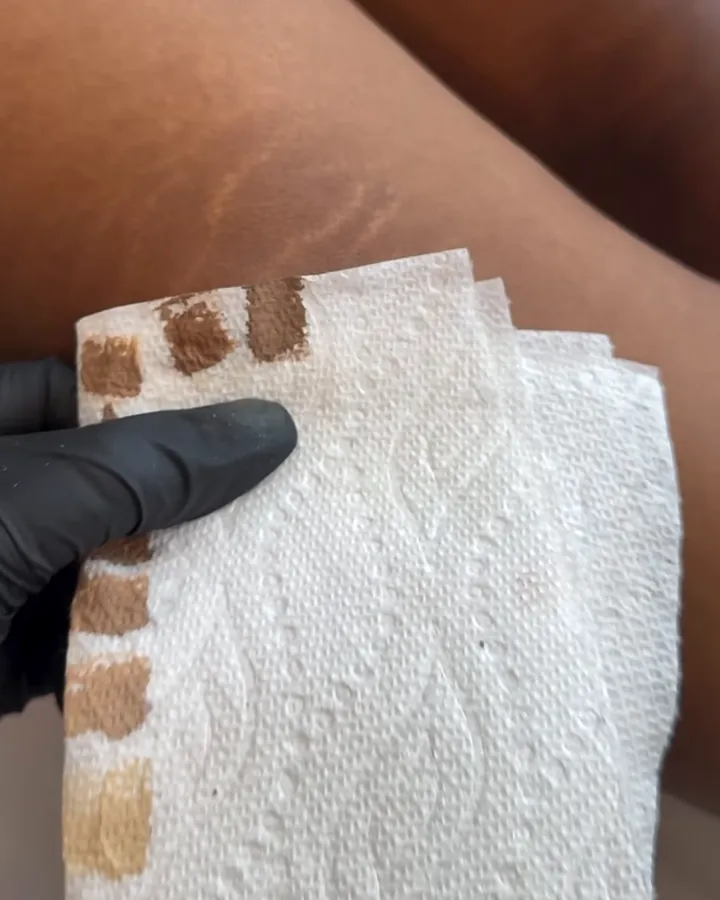
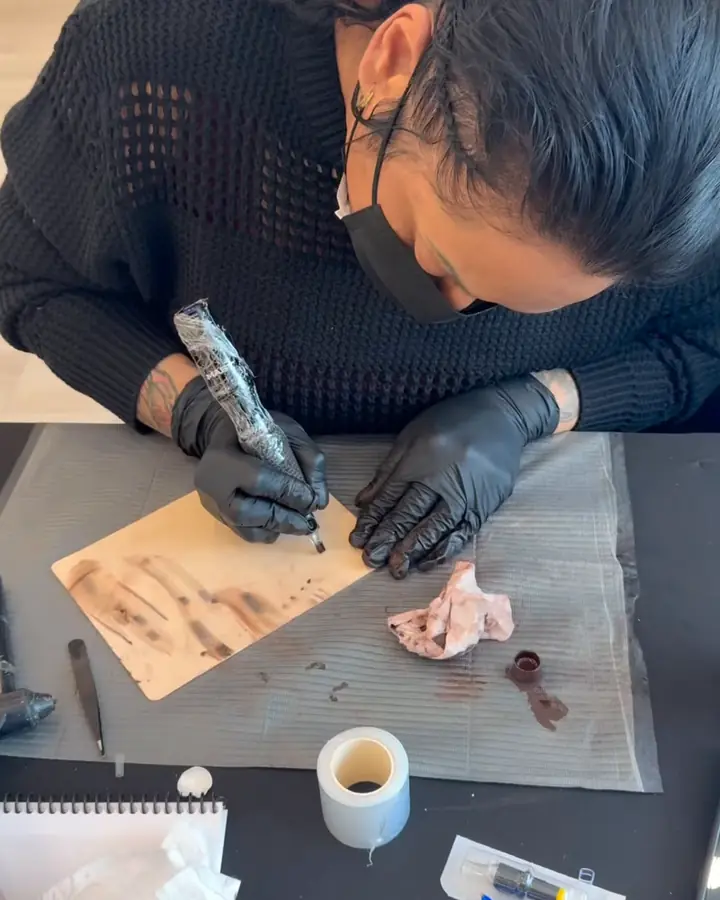
Camouflage sits between two worlds. The pigments and colour theory feel like permanent makeup, but the work is usually on the body, often on large areas of scar tissue or stretch marks, and it uses a machine much like tattooing. Regulators do not all draw the line in the same place. Some states regulate permanent makeup as tattooing, some issue a separate cosmetic tattoo or permanent cosmetics license, and some leave most of the detail to counties and cities.
Getting this wrong can mean working outside your license, so it is worth a phone call or an email before you add camouflage to your menu.
Three ways states handle it
- Permanent makeup is tattooing. One registration or license covers both, so a PMU artist and a tattoo artist go through the same process.
- Separate cosmetic tattoo license. The state issues a distinct license for cosmetic or permanent cosmetic tattooing, alongside a general tattoo license. The question then is which one covers body camouflage.
- Mostly local rules. The state sets broad standards, or none, and counties, cities or boards of health issue permits. Answers can differ from one town to the next.
Examples from official sources
These examples come from official state sources reviewed in October 2026. Rules change, so always check the source yourself.
- Kentucky: the state's tattooing FAQ says permanent makeup, including microblading, is regulated as tattooing, and that estheticians doing microblading must register as tattoo artists with the local health department. Kentucky guide
- Kansas: the Board of Cosmetology issues separate tattoo artist and cosmetic tattoo artist licenses, each with its own supervised training and procedures. Kansas guide
- Mississippi: the MSDH regulations have a specific provisional registration for permanent makeup, with at least six months of on-site supervision. Mississippi guide
- Arkansas: the Department of Health licenses tattoo and permanent cosmetic artists, and its rules describe further supervised hours to add another field of body art. Arkansas guide
- Virginia: DPOR issues both tattooer and permanent cosmetic tattooer licenses under 18VAC41-50-20. Virginia guide
- Florida: the state tattoo artist license includes cosmetic tattooing. Florida guide
For every other state, start with our guide to paramedical tattoo licensing by state.
Questions to ask your agency
- Is camouflage on scars and stretch marks on the body treated as tattooing, permanent cosmetics or something else?
- Does my current license or registration cover body work, or only the face?
- Does my studio or establishment permit cover the larger work area camouflage needs?
- Are there extra training hours or procedures for adding a new field?
- Do I need anything extra to work in a medical office or a second location?
Ask in writing if you can, and keep the answer with your studio records. Write down the name of the person you spoke to and the date.
Where specialist training fits
A license tells you where and under what conditions you may work. It does not teach you how to camouflage a scar. Brow and lip training rarely covers scar assessment, matching flat skin tones across a large area, pigment choice for scar tissue, or how to say no to a scar that is not ready. That is the gap specialist training fills, and it is the reason many PMU artists who are already licensed add a camouflage course before taking body clients.
Evelyn's live 1:1 online paramedical camouflage course covers the full basics, learning on practice skin, theory, machine and ink, pigment chemistry basics, and the business side: your audience, a pricing strategy you set yourself, and session spacing. Tuition is $2,997 USD, or $3,697 USD with the training kit shipped to the US, with payment plans available (for example a $500 deposit + 3 x $999). It is taught live over Zoom from Canada, and SKINEAV has no US location. You receive a Certificate of Completion, which is not a license, and six months of mentorship.
Key takeaways
- States treat permanent makeup and tattooing differently: as one, as separate licenses, or mostly through local rules.
- A brow or lip license does not automatically cover body camouflage.
- Ask your state or local agency which license applies, and keep the answer in writing.
- A course certificate shows training. Only your agency issues licenses.
Licensing note: the SKINEAV Certificate of Completion shows you finished Evelyn's training. It is not a state license, permit or registration. Before you tattoo anyone in the US, check and follow the rules of your state, county and city.
Frequently asked questions
Can I do scar camouflage with a permanent makeup license?
It depends on your state. In some states one license covers both; in others cosmetic tattooing and tattooing are licensed separately. Ask your state or local agency.
Is microblading regulated as tattooing?
In many states, yes. Kentucky, for example, says microblading is regulated as tattooing. Check your own state.
Do estheticians need a tattoo license for camouflage?
Usually an esthetician license alone does not cover tattooing. Kentucky, for example, requires estheticians doing microblading to register as tattoo artists.
Does the SKINEAV course give me a license?
No. You receive a Certificate of Completion for the training only. Licenses come from your state or local agency.
Is the course live?
Yes. It is live, one-on-one with Evelyn on Zoom, with six months of mentorship afterwards.