
Careers · Training paths
Paramedical tattoo apprenticeship vs course: which do you need?
Many US artists ask whether they need an apprenticeship or a course to do paramedical camouflage. Often the honest answer is: they do different jobs, and you may need both.
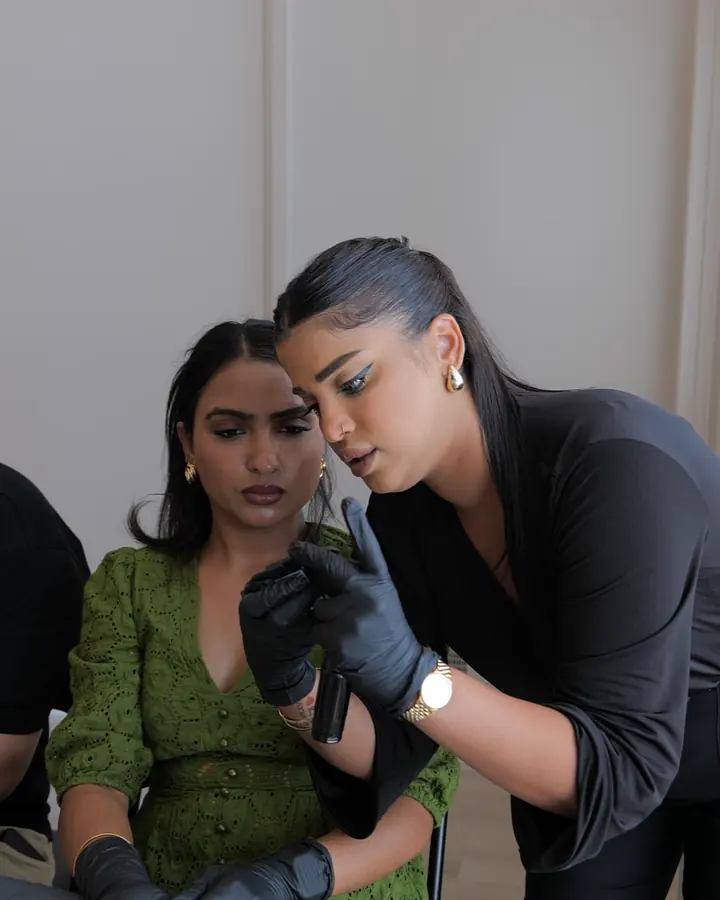
Two different things
An apprenticeship is usually part of getting licensed to tattoo. In states that use them, you work under a licensed artist for a set number of hours or procedures, learning hygiene, machine work and studio practice on real clients. The state sets the rules and counts the hours.
A specialist course, such as paramedical camouflage training, teaches a particular skill on top of the basics. It covers things a general tattoo apprenticeship rarely does in depth: scar assessment, colour matching to living skin, pigment choice for scar tissue and the consultation that goes with sensitive work. A course gives you a certificate of completion. It does not give you a license.
States that use apprenticeships or supervised hours
Requirements change, so always check the official source. Some examples reviewed in October 2026:
- Oklahoma: an approved apprenticeship of about 1,500 hours over one to two years under a sponsor with at least five years of licensure, then an exam. Oklahoma guide
- Missouri: at least 300 documented hours and 50 procedures under supervision, or a 300-hour course at a licensed or accredited school plus procedures, or documented practice. Missouri guide
- Minnesota: 200 hours of supervised tattooing on a temporary technician license, and the state says work on synthetic skin does not count. Minnesota guide
- Washington, DC: at least 500 hours of training under a DC-licensed body artist, with an exemption for documented experience. Washington, DC guide
- Tennessee: an apprentice license and a one-year apprenticeship before a full tattoo artist license. Tennessee guide
Other states, such as Massachusetts and Indiana, leave most rules to local boards or county health departments. See Massachusetts and Indiana, or the full guide to paramedical tattoo licensing by state.
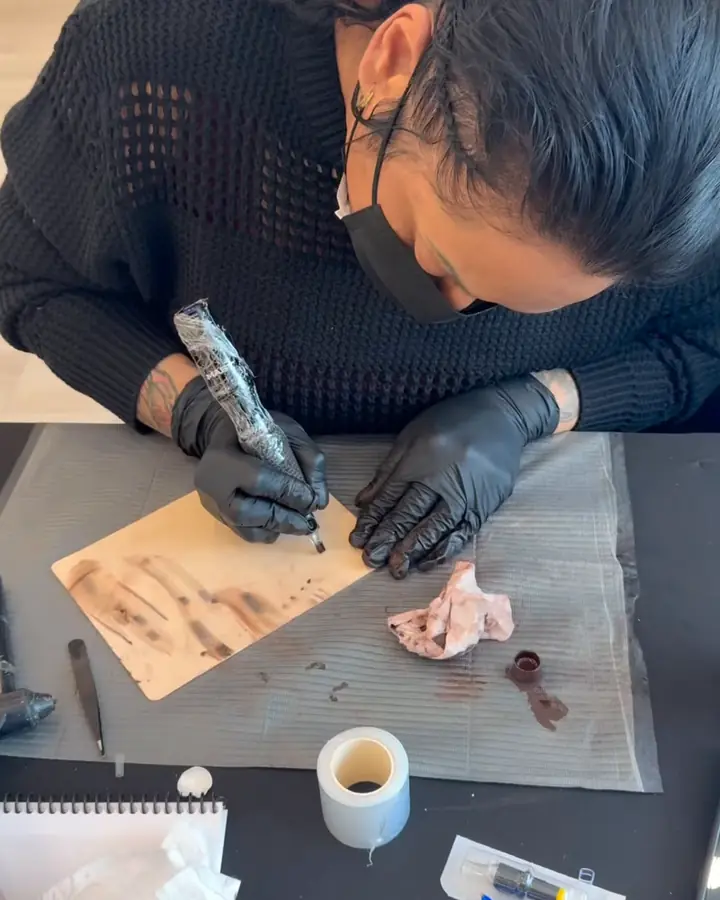
Why a camouflage course does not replace an apprenticeship
Be wary of any course that suggests it can take the place of a state apprenticeship or supervised hours. Those requirements are set by law and counted by the state, usually under a locally licensed supervisor, on real clients, in a licensed studio. A course taken online from another country, however good, does not meet them. SKINEAV says this plainly: the course is advanced training, and the certificate is not a license.
Why an apprenticeship may not teach camouflage
Most apprenticeships are built around decorative tattooing: line work, shading, colour packing, stencils and studio hygiene. Those are valuable foundations, but camouflage asks for a different mindset. You are trying to make something less visible, not more. The colours are flesh tones that must match skin which changes with season, sun and blood flow. Scar tissue holds pigment unpredictably. And deciding not to treat a case is often the right call. Unless your supervising artist specialises in camouflage, you will likely need specialist training to do this work well.
A realistic path
- Find out exactly what your state and county require to tattoo, and complete it.
- Build solid machine skills and hygiene habits in a licensed studio.
- Take specialist camouflage training with live feedback and practice on practice skin.
- Start with small, flat, fully healed scars, with written consent and careful photos.
- Use mentorship to review your first real cases before taking on harder ones.
If you are still an apprentice, you can often start the theory and practice-skin side of camouflage training early, as long as client work stays within your apprentice terms.
Evelyn's live 1:1 online paramedical camouflage course covers the full basics, learning on practice skin, theory, machine and ink, pigment chemistry basics, and the business side: your audience, a pricing strategy you set yourself, and session spacing. Tuition is $2,997 USD, or $3,697 USD with the training kit shipped to the US, with payment plans available (for example a $500 deposit + 3 x $999). It is taught live over Zoom from Canada, and SKINEAV has no US location. You receive a Certificate of Completion, which is not a license, and six months of mentorship.
Key takeaways
- Apprenticeships and supervised hours are about licensing; courses are about specialist skill.
- A course certificate does not replace state-required hours.
- Most apprenticeships do not cover camouflage in depth.
- Many artists need both, in that order.
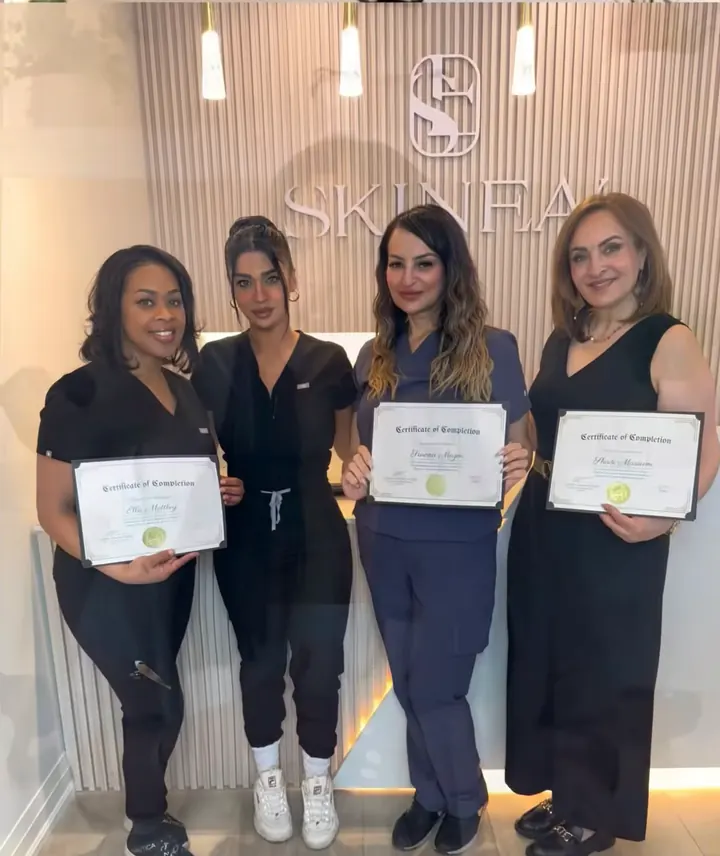
Licensing note: the SKINEAV Certificate of Completion shows you finished Evelyn's training. It is not a state license, permit or registration. Before you tattoo anyone in the US, check and follow the rules of your state, county and city.
Frequently asked questions
Can I do paramedical tattooing without an apprenticeship?
It depends on your state. Some require an apprenticeship or supervised hours for a tattoo license and others do not. Check with your state and county.
Does an online camouflage course count as apprenticeship hours?
Generally no. Apprenticeship and supervised hours are set by the state and completed under a licensed supervisor.
Can I take a camouflage course while I am an apprentice?
Often yes, for theory and practice-skin work. Client work must stay within your apprentice license and your supervisor's guidance.
What does the SKINEAV course include?
Full basics, practice-skin learning, theory, machine and ink, pigment chemistry basics, the business side, a Certificate of Completion and six months of mentorship, taught live 1:1 on Zoom.
Is the SKINEAV certificate a license?
No. It is a Certificate of Completion for the training only.