
Training · Vitiligo
Vitiligo camouflage training online: what artists need to know
Vitiligo camouflage is some of the most delicate work in paramedical tattooing. Here is what proper training should cover, and why the answer is sometimes "not yet".
Why artists ask about vitiligo
Vitiligo causes patches of skin to lose pigment. According to the National Institute of Arthritis and Musculoskeletal and Skin Diseases, it is a chronic condition in which the cells that make pigment are destroyed, and it can affect people of every skin tone. On deeper skin the contrast between affected and unaffected areas can be especially visible, and many people with vitiligo have tried creams, makeup and medical treatments before they ever search for a tattoo artist.
When they do search, they often find very few artists who will even discuss it. That is understandable. Vitiligo camouflage asks for more caution than almost any other cosmetic tattoo work, and an artist who treats it like a brow touch-up can make things worse. Good training is what separates a careful specialist from someone taking a risk with a client's skin.
What makes vitiligo different from scar camouflage
Scar camouflage works on tissue that has finished changing. Vitiligo is different because it can be active: patches may spread, shrink or change shape over time. Some people also notice new patches appearing where skin was injured, which is one reason dermatologists ask about trauma to the skin. Tattooing is a controlled injury, so any responsible approach starts with the question of stability.
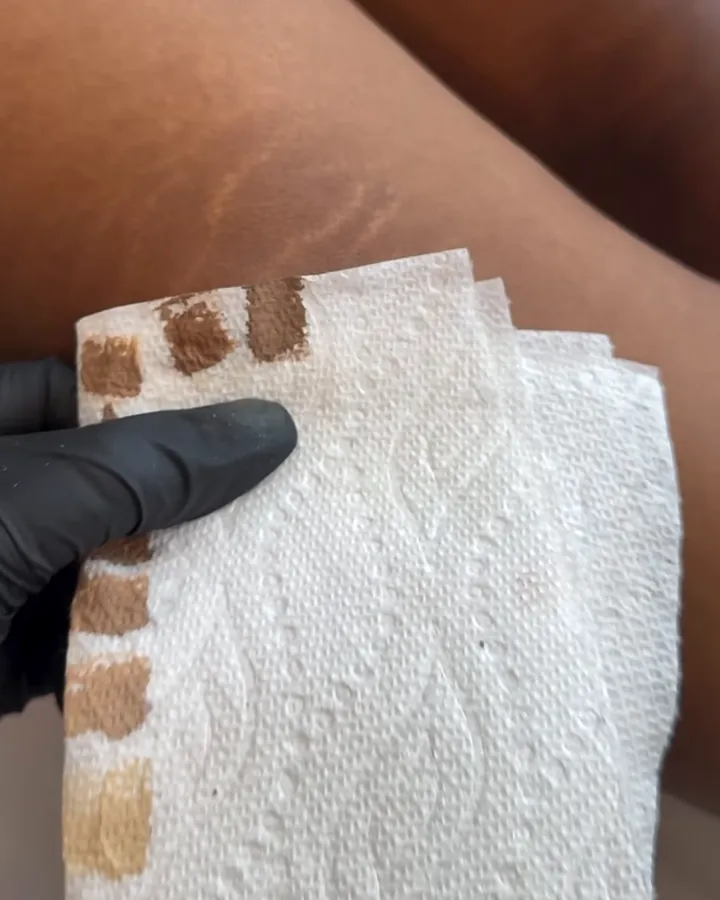
Colour is the second difference. A vitiligo patch has little or no pigment of its own, so the artist is not blending a slightly lighter scar but rebuilding colour on skin that may look almost white beside the client's natural tone. The surrounding skin also changes with sun and season far more than the patch does. A match that looks perfect in winter may look too light, or too dark, in summer.
For these reasons, many experienced camouflage artists decline vitiligo cases more often than they accept them, and they almost always want input from the client's dermatologist first. Read is my vitiligo stable? for the client side of that conversation.
What a good vitiligo camouflage course should teach
- Screening and referral: the questions to ask about how long a patch has been unchanged, and why a dermatologist's view matters before any work
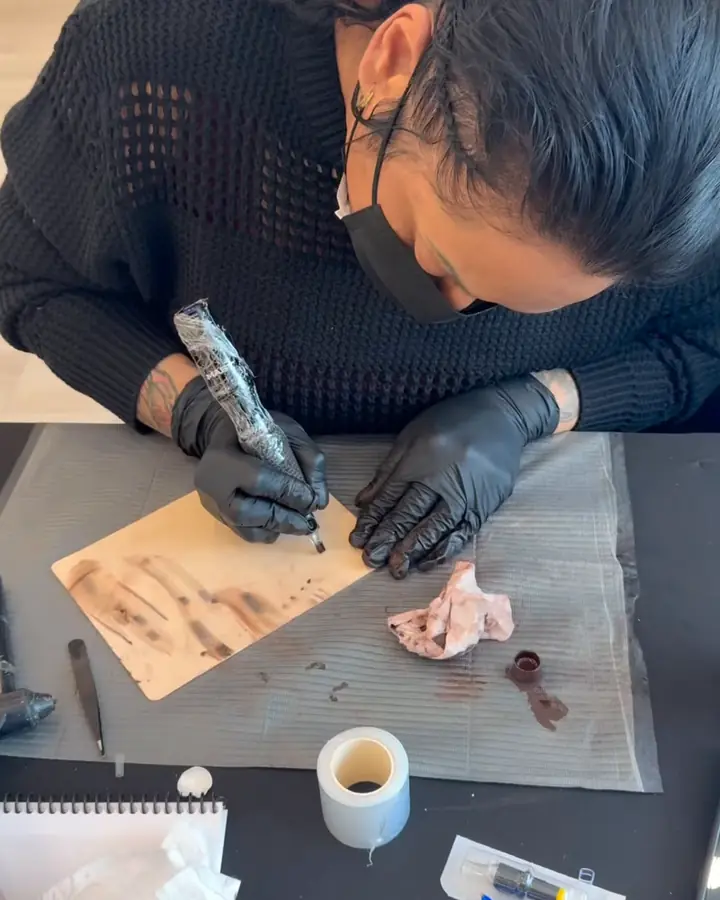
- Test patches: how to plan a small, discreet test area and wait to see how the skin responds
- Colour theory for depigmented skin: undertone, warmth and why the "right" colour often looks slightly darker in the bottle
- Seasonal planning: how tanning changes the match and how to talk to clients about it
- Conservative technique: light layers, careful depth and long gaps between sessions
- Honest consultations: explaining that results vary, that colour can fade or shift, and that further sessions may be needed
A course that promises you will "cure" or "erase" vitiligo is a red flag. Camouflage does not treat the condition. At best it can help a stable patch blend more closely with the surrounding skin, for some clients and not others.
Can vitiligo camouflage be learned online?
The theory, colour work and decision-making can be taught very well live online, especially one-on-one, where the instructor can see your mixes and your hand on camera and correct them in real time. Practice starts on practice skin, which is where you learn depth and saturation without risk to anyone.
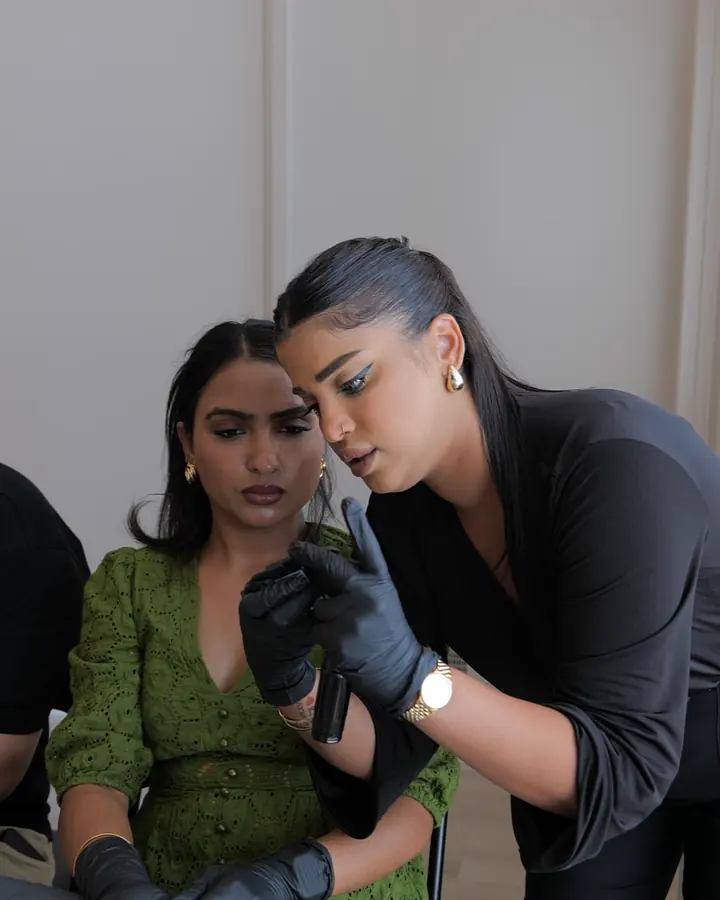
What online training cannot do is replace your own judgement on real clients, or the supervision of an experienced mentor when your first real cases come in. That is why ongoing mentorship matters more for vitiligo than for almost any other service. Look for a course that stays with you after the last session.
Licensing and where you can work
Vitiligo camouflage is tattooing. In the US that means the rules for tattoo artists or permanent cosmetic artists in your state, county or city apply, and in many places you must also work in a licensed or permitted studio. Requirements vary widely, from statewide artist licenses in places like Washington and Tennessee to facility licensing in Michigan and county rules in Maryland. Read our guide to paramedical tattoo licensing by state and confirm with your local authority before you take any client.
Some artists choose to work alongside a dermatology or med spa practice, where clients can be assessed medically first. Check how your local rules apply to that setting.
Who vitiligo camouflage training is for
Vitiligo work is best suited to artists who already have solid PMU or tattoo experience and who have done, or plan to do, scar and stretch mark camouflage first. Those cases teach colour matching and conservative technique on more predictable skin. Many specialists add vitiligo only after months of mentored camouflage work.
If you are newer to skin work, start with the fundamentals and be honest with yourself about timing. A good instructor will tell you plainly whether you are ready, and will not sell you an advanced course before you are.
Questions to ask a client before any vitiligo work
- How long has this patch looked the same, without spreading or changing shape?
- Have any new patches appeared in the last year, including where the skin was scratched or injured?
- Is a dermatologist involved, and are they comfortable with camouflage being tried?
- What treatments are you using now, and are any planned?
- How does your skin change in summer, and how much sun do you get?
- What would a good outcome look like to you, and how would you feel if the patch still showed?
The last question matters as much as the medical ones. A client who expects the patch to vanish will be disappointed by even very skilled work. A client who wants it softened, and understands that colour may shift over time, is a much better candidate.
Building a vitiligo practice responsibly
Artists who do vitiligo camouflage well tend to grow slowly and deliberately. They start with small, stable patches in less visible areas, document everything with consistent photos and written consent, and wait long enough between sessions to see how the skin responds. They build relationships with dermatologists who can assess stability, and they refer clients back when something changes.
They are also honest in their marketing. Instead of dramatic before-and-after photos, they explain the process, the limits and the commitment involved. That approach can bring fewer enquiries at first, but the clients who do come are better informed, and referral partners are far more comfortable recommending an artist who talks this way.
How SKINEAV approaches vitiligo
Evelyn has more than ten years of experience in skin camouflage and treats vitiligo as an advanced topic within her training. The focus is on screening, referral, test patches, colour and saying no when a case is not right. Read learning vitiligo camouflage as an artist and vitiligo camouflage on skin of colour for more.
Evelyn's live 1:1 online paramedical camouflage course covers the full basics, learning on practice skin, theory, machine and ink, pigment chemistry basics, and the business side: your audience, a pricing strategy you set yourself, and session spacing. Tuition is $2,997 USD, or $3,697 USD with the training kit shipped to the US, with payment plans available (for example a $500 deposit + 3 x $999). It is taught live over Zoom from Canada, and SKINEAV has no US location. You receive a Certificate of Completion, which is not a license, and six months of mentorship.
Licensing note: the SKINEAV Certificate of Completion shows you finished Evelyn's training. It is not a state license, permit or registration. Before you tattoo anyone in the US, check and follow the rules of your state, county and city.
Frequently asked questions
Can you learn vitiligo camouflage online?
The theory, colour matching and decision-making can be taught live online, especially one-on-one, with practice on practice skin first. Mentorship on real cases afterwards is essential.
Does vitiligo camouflage cure vitiligo?
No. Camouflage does not treat the condition. It may help a stable patch blend more closely with surrounding skin for some clients, and results vary.
Should a client see a dermatologist first?
Yes. Most experienced artists want medical input on stability before any vitiligo camouflage, and many decline cases that are still changing.
Do I need a license for vitiligo camouflage in the US?
Yes, in most places. It is tattooing, so state, county or city tattoo and permanent cosmetics rules apply.
Is a certificate of completion a license?
No. A certificate shows you completed training. Licensing comes from your state or local authority.