
Academy · Technique
Learning vitiligo camouflage: what artists must know
Vitiligo is one of the most rewarding and most demanding areas of camouflage. Caution is part of the technique.
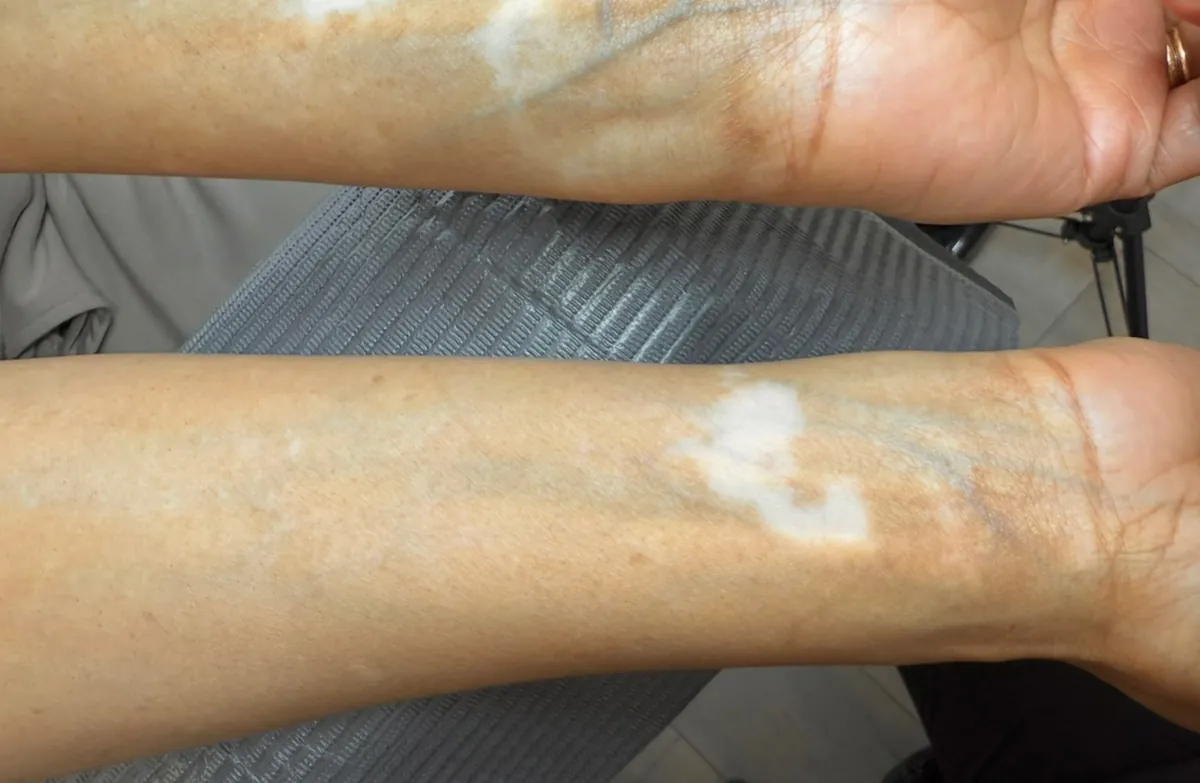
Stability first
Only treat vitiligo that is stable, ideally confirmed with the client's dermatologist. Active vitiligo can spread beyond your work, and skin injury can trigger new patches in some people.
“In the beginning, your portfolio is everything. People need to see your work before they trust you with their skin.”
Evelyn Alvares Vega, SKINEAV Academy
Borders
Vitiligo borders are often irregular. Following them precisely, without overlapping onto pigmented skin, is a key skill.
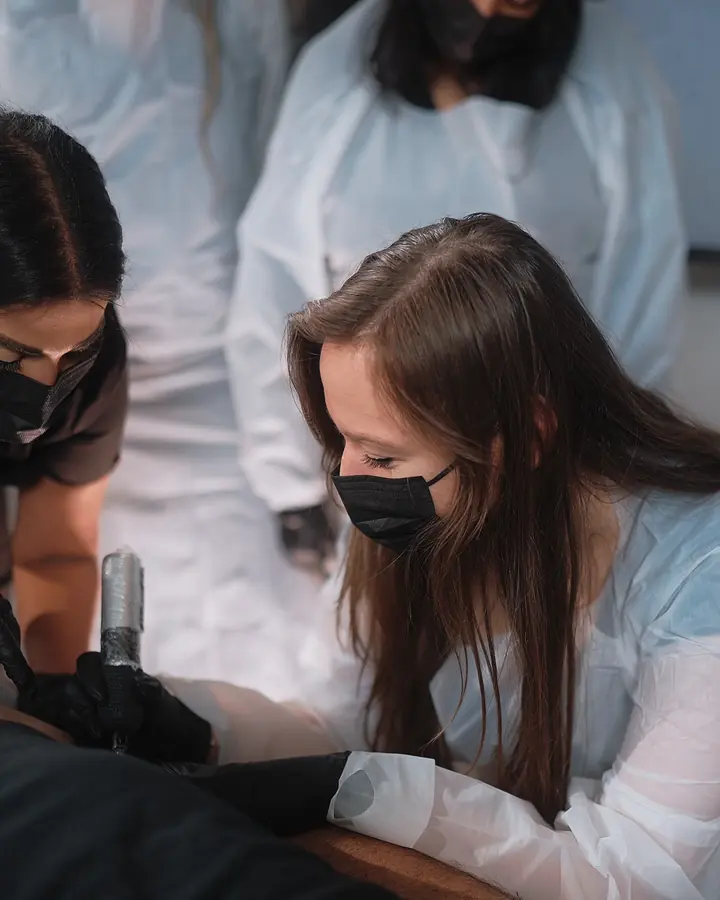
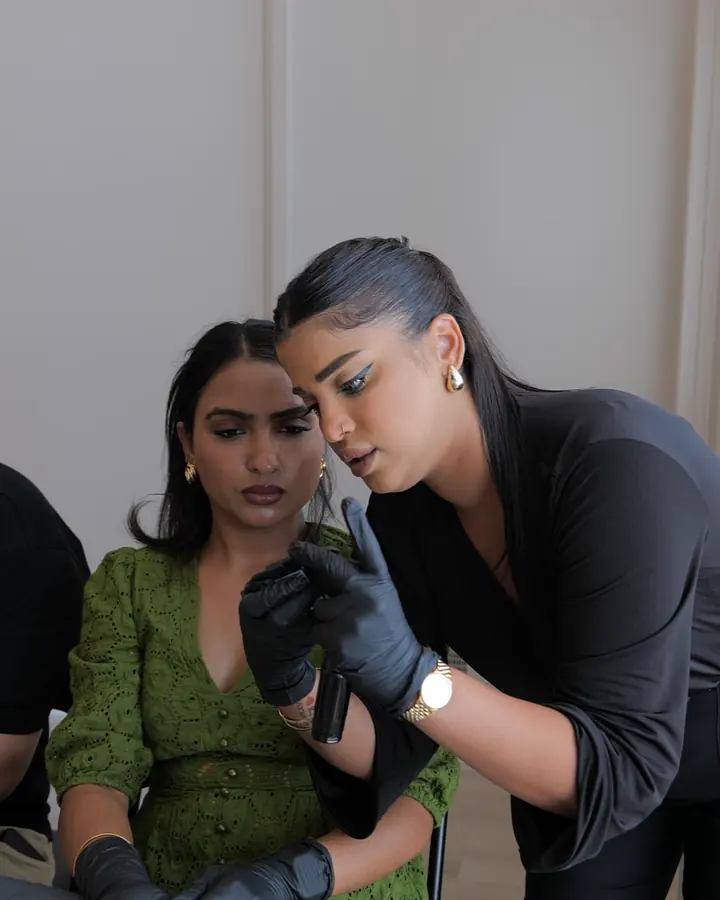
Real results and real moments

Seasonal contrast
Patches do not tan. Discuss how much the client's skin changes with the seasons and agree which tone to aim for. See vitiligo through the seasons.
How training works
- Free callTalk through your goals, the right format and current offers.
- Reserve your seatIn person in Vaughan or live online via Zoom.
- 3 intensive daysColour theory, technique and supervised practice with Evelyn.
- Six months of mentorshipFeedback on your work while you build your business.
Difficult areas
Hands, fingers, lips and around the eyes are complex and less predictable. Many artists build experience on body areas first.
Conservative plans
Start with a test or a small area, review the healed result, then continue.
Learn it under supervision
Vitiligo technique is part of the SKINEAV camouflage curriculum, alongside scars and stretch marks.
Consultation questions for vitiligo clients
- How long have these patches looked the same?
- Has your dermatologist described your vitiligo as stable?
- Have new patches appeared anywhere recently?
- How much does your skin change between summer and winter?
- Which areas matter most to you, and why?
Colour on vitiligo
Vitiligo patches can be very pale, so the colour difference can be large, especially on deeper skin. Building the formula slowly, and reviewing healed results before adding more, is safer than trying to close the whole gap in one session.
Photographing vitiligo
Photograph patches in the same light every time, with a scale reference. These photos protect you and the client: they show stability before treatment and progress after.
Saying not yet
If a client's vitiligo is not confirmed stable, the answer is "not yet". Explain why, suggest they talk to their dermatologist, and invite them back with monthly photos.
Frequently asked questions
Can artists treat active vitiligo?
No. Only stable vitiligo, ideally confirmed with the client’s dermatologist.
Is vitiligo taught in SKINEAV courses?
Yes, alongside scars and stretch marks.