
Careers · Nurses
A paramedical tattoo course for nurses: what transfers and what is new
Nurses bring a lot to paramedical tattooing: clinical judgement, infection control and calm with patients. Here is what a course adds, and what to check before you start.
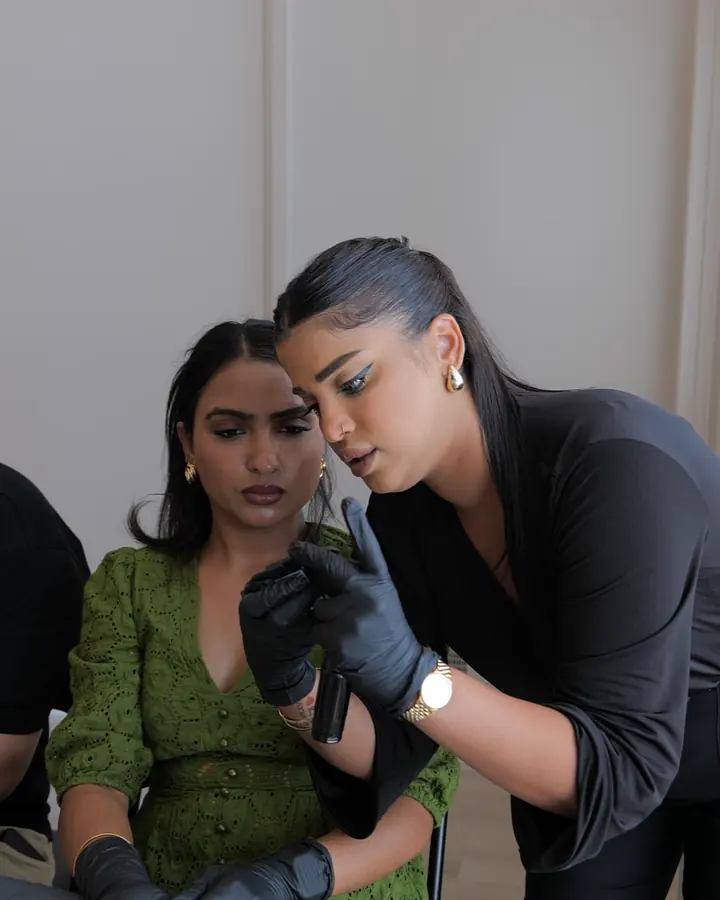
Why nurses are drawn to paramedical tattooing
Many nurses spend their careers watching patients heal from surgery, injuries and treatment, and then never see what happens next. Paramedical tattooing lets them stay with that part of the story: helping a patient whose scar has healed lighter than their skin, or whose breast reconstruction is complete, feel more like themselves. Some nurses want a change of pace from hospital shifts. Others want a skill they can practise alongside nursing, in a med spa, dermatology or plastic surgery setting.
Whatever the reason, nurses tend to be well suited to the work. The question is not whether you can learn it, but how your existing license, the tattoo rules where you live, and the right training fit together.
What transfers from nursing
- Infection control: you already think in terms of aseptic technique, sharps safety and cross-contamination
- Skin and wound knowledge: you understand healing phases, scar maturation and warning signs
- Patient assessment: asking the right questions about history, medications and conditions
- Communication: calm, clear explanations and consent for anxious people
- Documentation: accurate records and photos
These are exactly the habits that make camouflage safer. Many tattoo artists have to learn them from scratch.
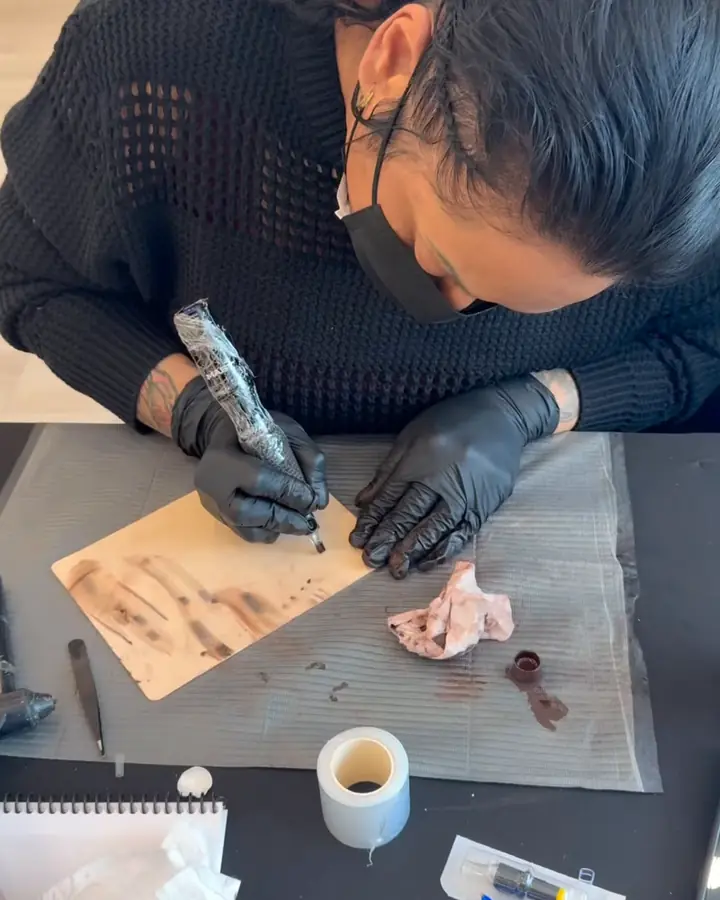
What is new for nurses
The biggest new skill is colour. Camouflage means mixing pigment to match living skin, reading undertones, predicting how colour heals and how it will look after sun exposure. Nurses rarely train in this, and it takes practice.
The second is hand skill with a tattoo machine: needle configuration, depth, angle, speed and saturation. Injecting and cannulating build steady hands, but placing pigment at a consistent depth across a scar is a different motion. Practice on practice skin, with live correction, is the only real way in.
The third is the cosmetic mindset. In nursing, the goal is clinical. In camouflage, the goal is a natural-looking blend, honest expectations and a client who feels heard. Saying "this scar is not a good candidate" is part of the job.
How US tattoo rules and nursing rules interact
Being a nurse does not automatically allow you to tattoo. In most states tattooing is regulated separately from nursing, by a state agency or local health department, and you may need a tattoo or permanent cosmetic license, permit or registration, and to work in a licensed facility. Some state laws exempt certain licensed medical professionals working within their scope of practice, for example North Carolina exempts physicians and, under physician supervision, physician assistants and nurse practitioners. Rules differ widely.
Your nursing board is the second check. Ask whether cosmetic tattooing falls within your scope of practice in your setting, and how it affects your nursing license and insurance. Read our guide to paramedical tattoo licensing by state and confirm locally before you take clients.
Settings where nurse-artists work
Nurse-artists often work in plastic surgery offices, dermatology practices or med spas, where clients have already been assessed medically. Others work in licensed tattoo or PMU studios. Each setting has different rules on who can perform tattooing and where, so check both the tattoo rules and your facility's policies. Read nurses changing careers into paramedical tattooing.
Choosing the right course as a nurse
Look for a course that respects what you already know and spends its time on what you do not: colour theory for every skin tone, machine technique, practice on practice skin, and the consultation skills of cosmetic work. Live one-on-one training lets the instructor skip what you already know and focus where you need it. Mentorship afterwards matters for your first real cases.
Be wary of courses that suggest your nursing license makes tattoo licensing unnecessary, or that promise referrals from hospitals.
A realistic learning path for nurses
Most nurses follow a similar path. First, they confirm with their state or local health department and nursing board how tattooing fits their situation, and take any required bloodborne pathogens or tattoo-specific training. Next, they complete live camouflage training, practising on practice skin until colour and depth are consistent. Then they take a small number of carefully chosen first cases, often existing patients or contacts, with full consent and photo records, while sharing those cases with a mentor. Only after that do most start marketing the service or approaching surgeons for referrals.
This path takes months, not weeks. It is slower than some courses suggest, but it protects both your clients and your nursing license.
Questions nurses often ask
"Can I keep working shifts while I train?" Yes, with one-on-one sessions booked around your schedule. Many nurses train on days off.
"Will my clinical background help me get referrals?" It can make surgeons and dermatologists more comfortable, but referrals depend on your work, your communication and your local relationships. There are no guarantees.
"Do I need to stop nursing?" No. Many nurse-artists do both, especially in cosmetic or dermatology settings. Check how your employer and nursing board view outside work.
Infection control: where nursing habits need adjusting
Nurses arrive with excellent infection control habits, but tattooing has its own specifics. Tattoo and permanent cosmetic rules in many states set requirements for single-use needles and cartridges, sterilization records, surface disinfection between clients, sharps disposal and client records that may differ from hospital protocols. Some states also require an annual bloodborne pathogens course from an approved provider even if you have completed similar training as a nurse. Read the rules for your state and county carefully rather than assuming your clinical training covers them. The good news is that nurses usually adapt very quickly, and their attention to detail is one reason clients and referral partners trust nurse-artists.
Key takeaways for nurses
- Your clinical judgement, infection control and patient communication give you a real head start.
- Colour theory, machine technique and the cosmetic consultation are the new skills to learn.
- A nursing license does not automatically allow you to tattoo; check your state, local health department and nursing board.
- Live one-on-one training can focus on what you do not know yet, and mentorship helps with your first real cases.
- Grow slowly and document carefully, and your reputation will do much of the rest.
If you are unsure where to start, write down your state, your current setting and the kind of clients you hope to help, and bring that list to a free call. A good instructor will give you an honest answer about timing, licensing questions to raise locally, and whether one-on-one training is the right next step for you.
How SKINEAV trains nurses
Because the training is one-on-one on Zoom, Evelyn can spend less time on infection basics you already know and more on colour, depth and the cosmetic consultation. Nurses in states such as Maryland, Ohio and Tennessee should check their local tattoo rules before they enrol.
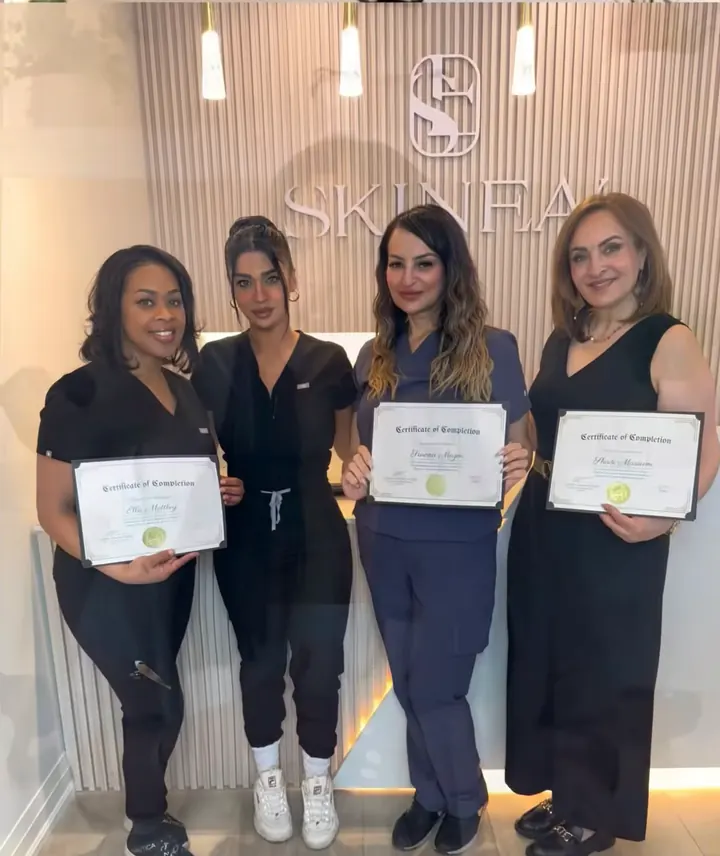
Evelyn's live 1:1 online paramedical camouflage course covers the full basics, learning on practice skin, theory, machine and ink, pigment chemistry basics, and the business side: your audience, a pricing strategy you set yourself, and session spacing. Tuition is $2,997 USD, or $3,697 USD with the training kit shipped to the US, with payment plans available (for example a $500 deposit + 3 x $999). It is taught live over Zoom from Canada, and SKINEAV has no US location. You receive a Certificate of Completion, which is not a license, and six months of mentorship.
Licensing note: the SKINEAV Certificate of Completion shows you finished Evelyn's training. It is not a state license, permit or registration. Before you tattoo anyone in the US, check and follow the rules of your state, county and city.
Frequently asked questions
Can a nurse take a paramedical tattoo course?
Yes. Nurses often make strong camouflage artists. The course adds colour theory, machine technique and cosmetic consultation skills.
Does a nursing license let me tattoo?
Not automatically. Most states regulate tattooing separately. Some exempt certain medical professionals within their scope; check your state, local health department and nursing board.
Where do nurse paramedical tattoo artists work?
Often in plastic surgery, dermatology or med spa settings, or in licensed tattoo and PMU studios, depending on local rules.
Is online training suitable for nurses?
Live one-on-one online training works well, because it can focus on colour and technique and skip what you already know.
Is the SKINEAV certificate a license?
No. It is a Certificate of Completion for the training only.