
Careers · PMU artists
Microblading artist? Your next skill could be camouflage
Brows are a great foundation. If you are looking for the next skill to learn, here is how scar and stretch mark camouflage builds on what you already do, and where it differs.
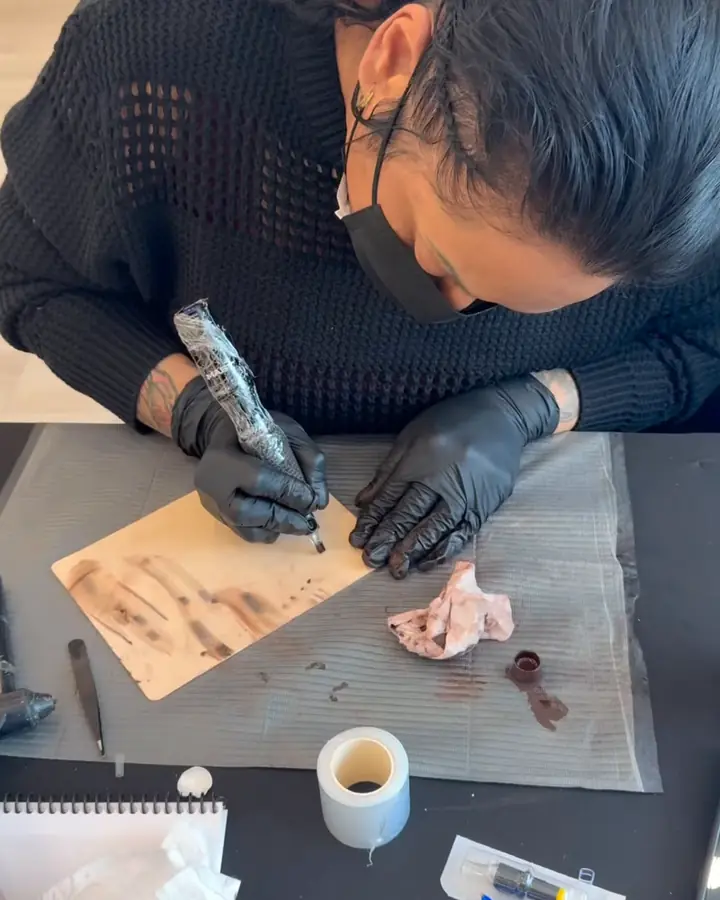
The "what next?" moment
Many microblading artists reach the same point a few years in. Your book is steady, your strokes are clean, and you can do a set of brows in your sleep. But the market around you is crowded, new artists open every month, and clients compare prices on Instagram. You start wondering what to learn next.
The usual options are more of the same: lip blush, powder brows, eyeliner, lash services. They are all good additions. But if you want a skill that sets you apart, rather than one more service your competitors also offer, it is worth looking at specialist work where fewer artists are trained. Paramedical camouflage is one of those.
What carries over from microblading
- Pigment knowledge: you already understand how pigment heals, fades and changes colour
- Depth control: you know what happens when you go too deep or too shallow
- Colour correction: if you have fixed warm or ashy brows, you already use colour theory
- Client care: consultations, consent, aftercare and touch-ups are second nature
- Hygiene and licensing: you already work within your state's rules
This is a real head start. Many artists who come to camouflage from scratch have to learn all of it.
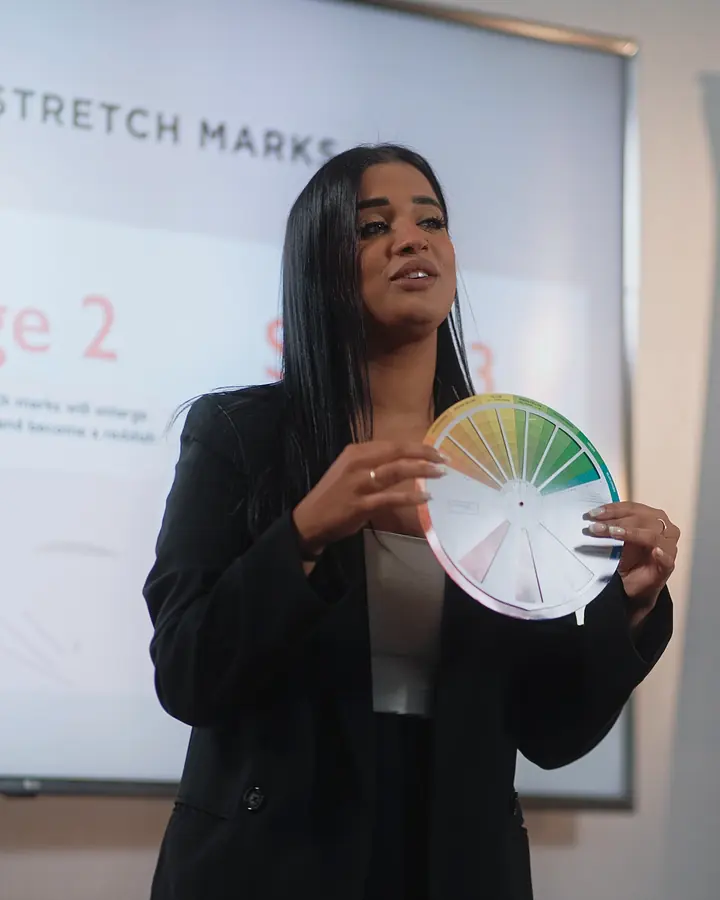
What is different about camouflage
Camouflage is not brow work on a bigger area. The differences are significant:
- Machine, not blade: camouflage uses a machine and needle configurations suited to blending, not strokes
- Skin-toned pigments: you mix flesh tones, which are far harder to match than brown brow colours
- Scar tissue: it takes pigment unevenly and behaves differently from facial skin
- Body areas: abdomen, thighs, chest and arms have different thickness and movement
- Multiple sessions: camouflage is built gradually, often over several appointments
- Saying no: some scars and stretch marks are not good candidates, and recognising them is part of the skill
Read scar camouflage vs microblading as a career for a deeper comparison.
Why camouflage stands out from other add-ons
Lip blush and powder brows keep you in the same competitive space. Camouflage moves you into a different one. Clients who want camouflage tend to search for it specifically, are often prepared to travel, and are usually more interested in skill and trust than in price. Referral partners such as plastic surgeons and dermatologists are also interested in careful specialists.
None of that is automatic. It takes training, practice, a portfolio built with consent and an honest way of talking about results. There are no guarantees of clients or income. But the barrier to entry that makes camouflage hard to learn is also what keeps the field less crowded.
Is camouflage right for you?
Ask yourself a few questions. Do you enjoy colour theory, or do you avoid it? Are you patient with work that unfolds over several sessions? Are you comfortable with clients who may be emotional about their scars? Can you work under your state's tattoo rules, not just PMU rules, if they differ? If the answers are mostly yes, camouflage is worth exploring. Check paramedical tattoo licensing by state for your state.
A realistic timeline for the switch
Adding camouflage is not a weekend project. A realistic path for a working microblading artist looks like this: a few weeks of live training sessions fitted around your brow bookings, then a period of practice on practice skin until your skin-tone mixes and depth are consistent, then a handful of carefully chosen first cases with existing clients who already trust you. Many artists spend several months at this stage, sharing photos with a mentor, before they start promoting camouflage publicly.
During that time your brow business keeps running. That is one of the advantages of adding camouflage to an existing practice rather than starting from zero: your steady bookings support you while the specialist work grows.
Questions brow artists ask before switching
"Will camouflage hurt my brow business?" Usually not. Many clients book both, and some brow clients have scars or stretch marks they never mentioned because they did not know anyone could help.
"Do I need a different license?" In some states, yes. PMU and body tattooing can fall under different rules. Check before you take any camouflage client.
"Do I need new equipment?" Yes. You will need a suitable machine, needles and skin-toned pigments. The SKINEAV course offers a kit option shipped to the US.
"How do I explain the service to my clients?" Simply and honestly: camouflage can help some healed scars and stretch marks blend more closely with surrounding skin, usually over more than one session, and not every case is suitable.
Building your first camouflage portfolio
Your brow portfolio took time to build, and your camouflage portfolio will too. Use the same lighting, angle and distance for every photo, take healed photos as well as fresh ones, and always get written consent before sharing anything. Show the process, not just the best result. A small, honest portfolio builds more trust with clients and referral partners than a feed full of dramatic transformations.
How camouflage changes the way clients see you
Once you offer camouflage, the conversations in your chair change. Clients who came for brows start mentioning scars, stretch marks or patches of lighter skin they have lived with for years. Some will book, and many will simply remember that you are the artist who understands skin. That reputation travels by word of mouth, through support groups and through medical professionals. It does not happen overnight, and it depends on careful, honest work. But it is a very different position from being one more brow studio in a crowded feed.
Key takeaways for brow artists
- Your pigment, depth and client care skills transfer well to camouflage.
- Machine technique, skin-tone colour mixing and work on scar tissue are new.
- Check whether camouflage on the body falls under a different license in your state.
- Expect months of practice and mentored cases before you promote the service widely.
- Specialist skill and honest communication set you apart more than price.
If you are unsure whether camouflage suits you, try a simple test: spend a week paying attention to how many of your current clients mention a scar, a stretch mark or a patch of lighter skin. Then bring those observations, and your state, to a free call with Evelyn for an honest view.
How to make the move
Start with live training that builds on your PMU skills instead of repeating them. Practise on practice skin until your colour and depth are consistent. Offer camouflage first to existing clients who already trust you, and keep careful photo records. Then build relationships with local surgeons. Mentorship through your first real cases makes a big difference.
Evelyn's one-on-one Zoom format is designed for working PMU artists in states like Utah, Michigan and Texas, scheduled around your existing bookings.
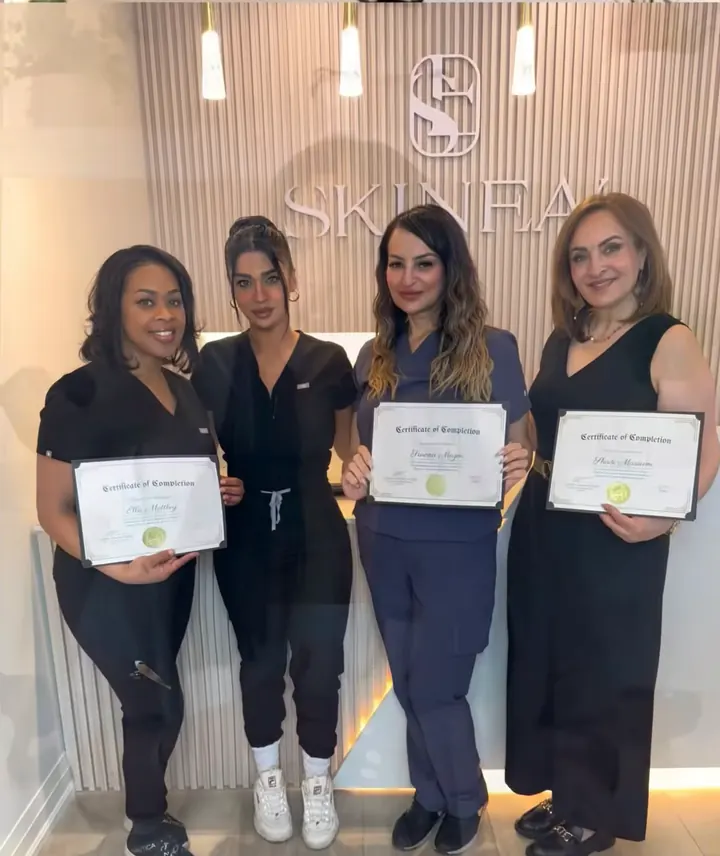
Evelyn's live 1:1 online paramedical camouflage course covers the full basics, learning on practice skin, theory, machine and ink, pigment chemistry basics, and the business side: your audience, a pricing strategy you set yourself, and session spacing. Tuition is $2,997 USD, or $3,697 USD with the training kit shipped to the US, with payment plans available (for example a $500 deposit + 3 x $999). It is taught live over Zoom from Canada, and SKINEAV has no US location. You receive a Certificate of Completion, which is not a license, and six months of mentorship.
Licensing note: the SKINEAV Certificate of Completion shows you finished Evelyn's training. It is not a state license, permit or registration. Before you tattoo anyone in the US, check and follow the rules of your state, county and city.
Frequently asked questions
Is scar camouflage a good next skill for microblading artists?
It can be. It builds on pigment, depth and client care skills you already have, and fewer artists offer it. It also requires new colour and machine skills.
Do I need a machine for camouflage?
Yes. Camouflage uses a machine with needle configurations suited to blending, not a manual blade.
Will my PMU license cover camouflage?
It depends on your state. Some states treat camouflage as tattooing with different licensing. Check with your state or local authority.
How long does it take to learn camouflage?
Longer than a short brow course. Expect months of practice and mentored cases to feel fully confident.
Can I learn camouflage online?
Yes, live one-on-one online training with practice on practice skin works well for experienced PMU artists, with mentorship afterwards.