
Wellbeing · Guide
Feeling at home in your skin after surgery or injury
Feeling at home in your skin after surgery, injury or illness: scar care basics, emotional adjustment, clothing, makeup, camouflage options and where to find support in the GTA.
After surgery, an accident or an illness, your body has done a lot of healing. Sometimes the mind takes a little longer to catch up. A new scar or a change in your skin can bring up surprising feelings, from pride to frustration to simply not recognising yourself. This guide brings together practical steps that many people find helpful, from early scar care to longer-term options like camouflage.
Your feelings are valid
It is normal to feel a mix of emotions about a scar. Some people feel grateful and proud, seeing it as evidence of strength. Others feel self-conscious, avoid certain clothes, or dislike being asked about it. Many feel both, on different days. None of this means you are vain or ungrateful. Your relationship with your skin is personal.
In the early months: let it heal
While a scar is new, the focus is healing. Follow your surgeon's or doctor's advice. Common guidance can include:
- Keeping the wound clean and protected as directed.
- Avoiding sun on the healing scar, which can cause lasting darkening.
- Scar massage, silicone sheets or gels once the wound has closed, if recommended.
- Patience. Scars often look their most noticeable in the first months and soften over time.
Ask your care team before trying any product or treatment on a healing scar.
Practical confidence boosters
- Clothing you love. Choosing pieces that make you feel good, whether that covers the scar or not, can help day to day.
- Cover makeup. Corrective makeup can be a flexible, reversible option. See camouflage tattoo vs cover makeup.
- A ready answer. If people ask about your scar, having a short reply you are comfortable with ("It's from a surgery, I'm doing well") can reduce stress.
- Movement. Gentle activity, when cleared, helps many people reconnect with their body.
Talking about it
Sharing how you feel with a partner, friend, peer group or counsellor can help. Many hospitals and community organisations in the GTA run support groups for people recovering from surgery, cancer treatment, burns or injury. Your family doctor can point you to local options. If you are feeling persistently low, please reach out for support, and in a crisis call or text 9-8-8.
When the scar has matured: options to consider
Once a scar has fully matured, usually a year or more after surgery, more options open up:
- Texture treatments from medical aesthetic providers.
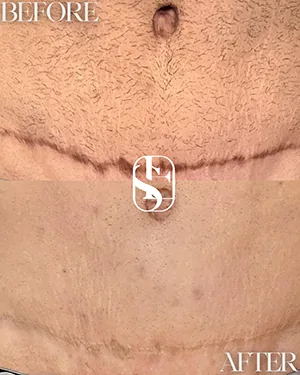
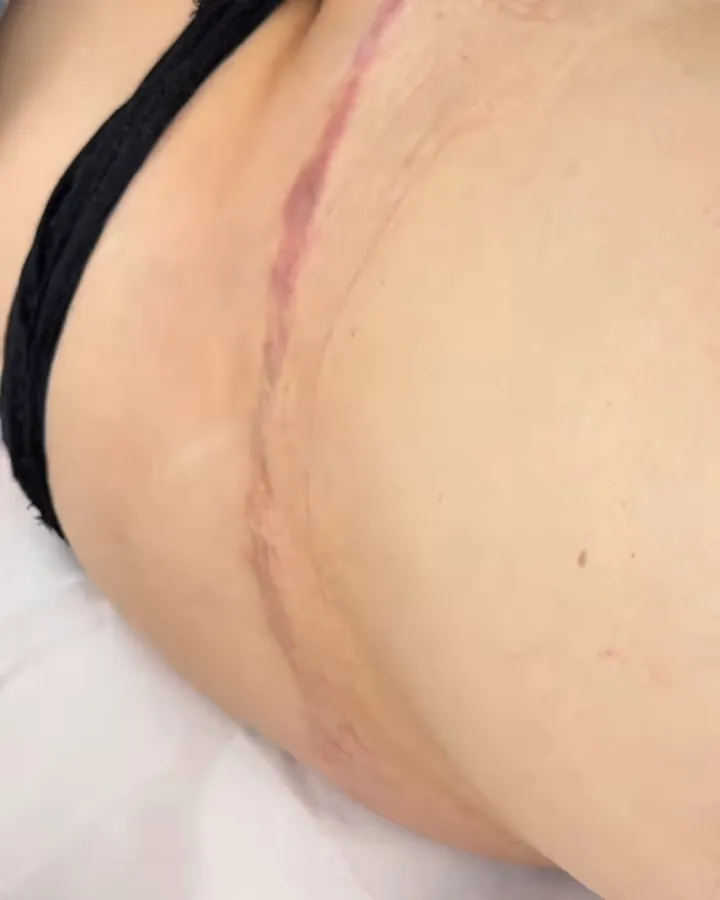
- Camouflage tattooing, which softens colour contrast of pale scars. See which scars can be camouflaged.
- Decorative tattoos over or around a scar, a different artistic choice.
- Doing nothing at all, which is equally valid.
Specific situations
- C-section scars: see C-section scar camouflage.
- Tummy tuck and breast surgery: see tummy tuck and breast scar camouflage.
- Burns and grafts: see the burn scar camouflage guide.
- Self-harm scars: see our private, judgement-free self-harm scar camouflage guide.
Choosing what is right for you
Some questions that help:
- What bothers me most: colour, texture, or attention from others?
- Where and when do I notice it?
- What would "feeling better" actually look like?
- Am I ready to make a decision, or do I need more time?
There is no deadline. Many people revisit the question months or years later.
How SKINEAV approaches this
Evelyn has spent more than 10 years helping clients with scars from surgery, injury and life. Consultations are private and unhurried, and you will get honest answers, including if camouflage is not right for you yet. Read what clients say on our testimonials page.
Clothing and comfort ideas
Small practical changes can make day-to-day life easier while a scar matures:
- Soft, breathable fabrics that do not rub, especially over abdominal or chest scars.
- High-waisted or wrap styles that sit above or below a lower-abdominal scar.
- Swimwear with different cuts, if you want to cover or reveal at your own pace.
- Layering pieces, like light shirts or kimonos, for days you want more cover.
None of these are about hiding; they are about comfort and choice.
Talking with children and family
If you have children, they may ask about your scar. Simple, honest answers usually work best ("This is where the doctor helped me"). Many parents find that children accept scars easily, and that their own comfort grows as they talk about it.
Your partner and intimacy
Changes in how you feel about your body can affect intimacy. Sharing your feelings with your partner, and letting them share theirs, often brings people closer. A counsellor can help if it feels difficult.
When to seek medical advice about a scar
See your doctor if a scar becomes painful, itchy, raised, keeps growing, opens, or changes colour unexpectedly. These can be signs that need medical care, and cosmetic options should wait.
A short reflection exercise
Some people find it helpful to write down three things: what the scar represents to them, what they wish were different, and one thing they would do if the scar did not cross their mind. Looking at the answers can clarify whether you want a cosmetic change, emotional support, or simply time. All three are valid, and you can pursue more than one.
Next step
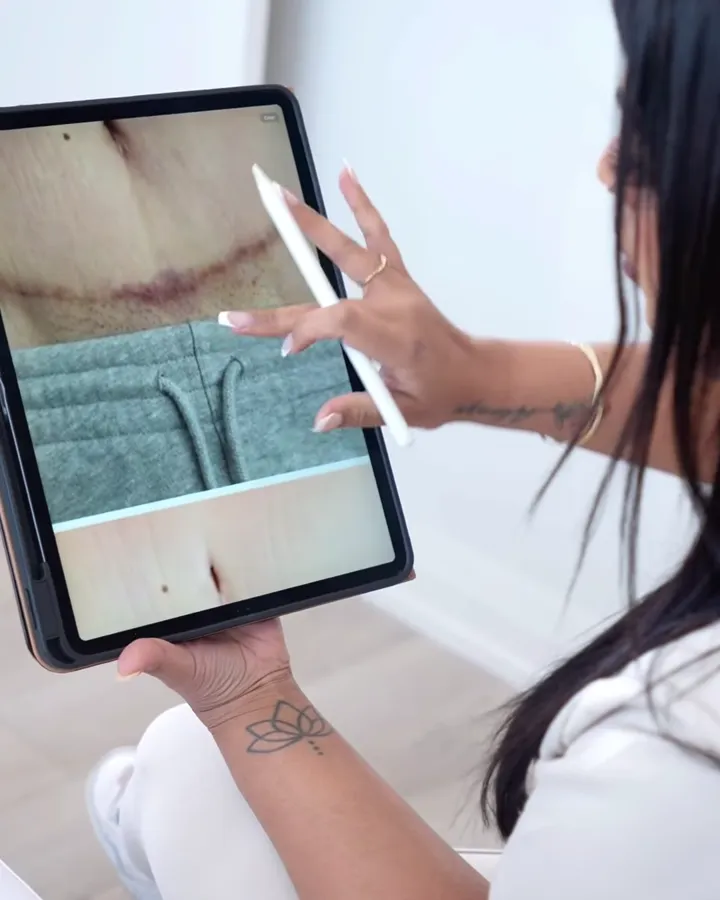
When you are ready, a free phone consult or a free photo assessment is an easy, no-pressure start. Call or text 647-492-4584. SKINEAV is at 36 Bessemer Ct Unit 1, Vaughan, ON L4K 3C9, with free parking, welcoming clients from Toronto, Richmond Hill, Markham, Brampton and across the GTA.
Frequently asked questions
Is it normal to feel self-conscious about a surgery scar?
Yes. Many people feel a mix of pride and self-consciousness, and both are valid.
When can I consider cosmetic options for a scar?
Once it has fully matured, often a year or more after surgery, and with your care team's agreement.
Can makeup cover a new scar?
Avoid products on an unhealed wound. Once healed and with your doctor's okay, cover makeup can be an option.
Does camouflage help raised scars?
Camouflage softens colour, not texture. Raised and keloid scars are generally not suitable.
Where can I find emotional support in the GTA?
Your family doctor, hospital programmes and community groups can help. In a crisis, call or text 9-8-8.
“We don’t fix texture, we fix color.”
Evelyn Alvares Vega, founder of SKINEAV
Real results and real moments
How it works at SKINEAV
- Photo or callSend a photo or book a free phone consult. Honest first answer.
- Assessment & colour testIn clinic, Evelyn checks your skin and tests a custom formula.
- TreatmentPigment placed precisely, only where it is needed, one-on-one.
- Heal & reviewThe colour settles over weeks; follow-ups are planned if needed.