
Scars · Face
Facial scar camouflage: what to know first
The face is where people most want help and where camouflage is most demanding. A careful, honest assessment matters more here than anywhere.
Facial scars from injuries, surgery, dog bites or accidents are seen in every conversation. I understand why people want them softened. I am also more conservative here than anywhere else.
Why the face is harder
- Colour changes: facial skin flushes, tans and changes with seasons more than most body skin.
- Visibility: any mismatch is noticed immediately.
- Movement and thin skin: areas around the mouth and eyes move constantly and the skin is delicate.
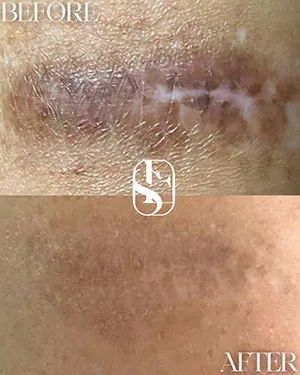
“We don’t fix texture, we fix color.”
Evelyn Alvares Vega, founder of SKINEAV
Which facial scars may suit camouflage
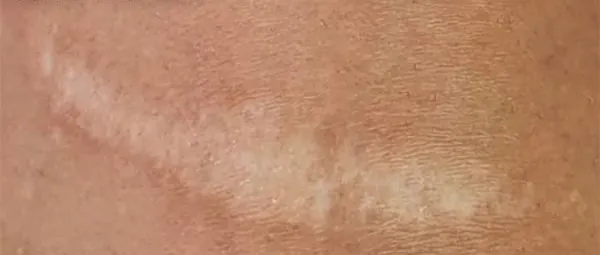
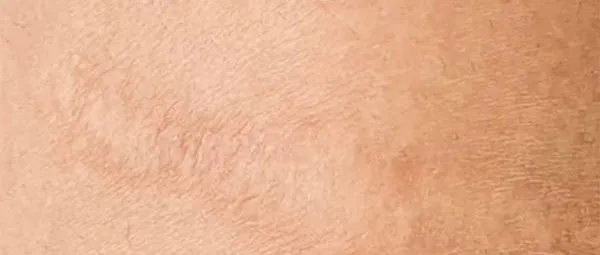
- Small, flat, mature scars that are clearly lighter than the surrounding skin
- Scars on areas with fairly stable colour, such as some areas of the cheek or chin
Real results and real moments
Often not suitable
- Acne texture scarring. See acne scars and camouflage
- Raised, red or still-maturing scars
- Scars very close to the eyes or on the lips
How it works at SKINEAV
- Photo or callSend a photo or book a free phone consult. Honest first answer.
- Assessment & colour testIn clinic, Evelyn checks your skin and tests a custom formula.
- TreatmentPigment placed precisely, only where it is needed, one-on-one.
- Heal & reviewThe colour settles over weeks; follow-ups are planned if needed.
A dermatologist first
For facial scars, a dermatologist can tell you about medical options. If camouflage is then a good fit, I start conservatively and review the healed result before doing more.
Frequently asked questions
Can facial scars be camouflaged?
Some small, flat, mature, lighter scars can. The face is assessed very conservatively because its colour changes often.
Should I see a dermatologist first for a facial scar?
Yes, it is a good first step to understand medical options.