
Injury scars · Guide
Accident and injury scars: a practical guide
Scars from accidents are unplanned and often in visible places. Many of them, once mature, are good candidates for colour blending.
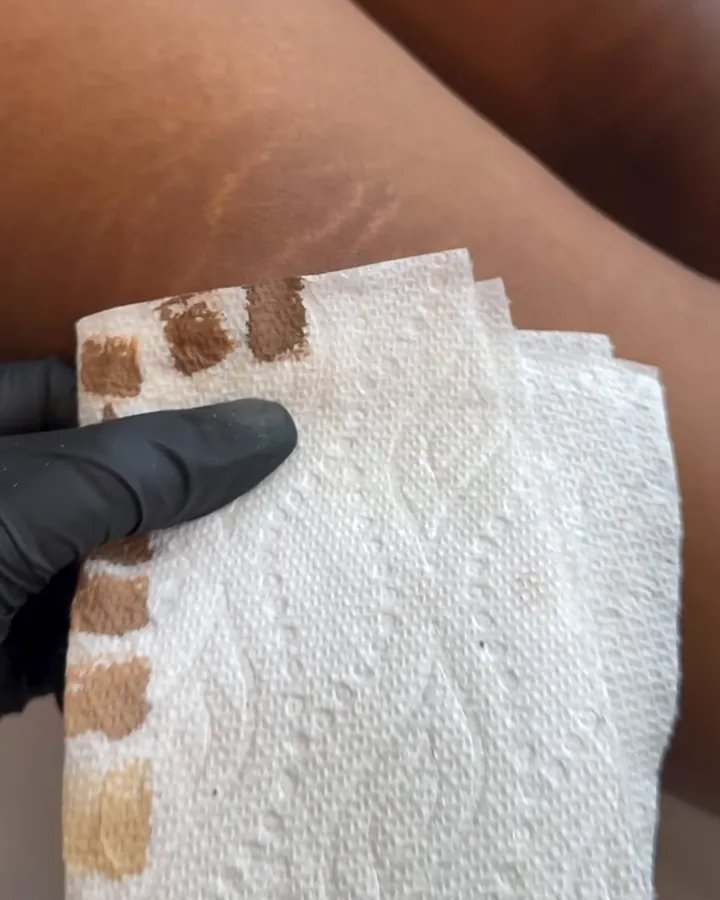
Car accidents, falls, cuts from glass, dog bites, sports injuries, stitches after an ER visit. Injury scars are irregular, often on the face, arms, hands or legs, and they can carry memories people would rather not revisit every day.
What makes a good candidate
- Fully healed and mature, with stable colour
- Flat or nearly flat
- Lighter than the surrounding skin
“We don’t fix texture, we fix color.”
Evelyn Alvares Vega, founder of SKINEAV
Irregular shapes
Injury scars are rarely neat lines. They can branch, widen and change colour along their length. I map the scar and adjust colour from section to section rather than treating it as one shape.
Real results and real moments
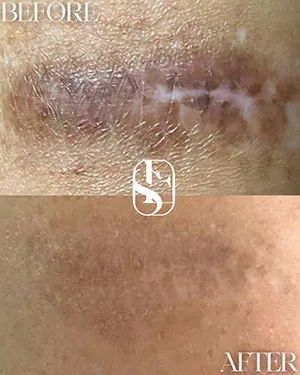
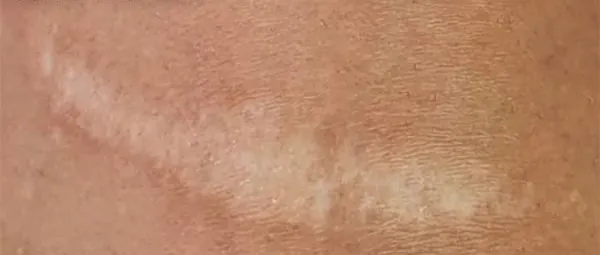
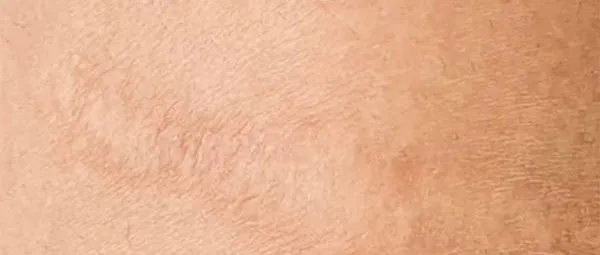
Stitch marks
Some scars have small dot or ladder marks from stitches beside the main line. These can often be blended at the same time if they are pale and flat.
How it works at SKINEAV
- Photo or callSend a photo or book a free phone consult. Honest first answer.
- Assessment & colour testIn clinic, Evelyn checks your skin and tests a custom formula.
- TreatmentPigment placed precisely, only where it is needed, one-on-one.
- Heal & reviewThe colour settles over weeks; follow-ups are planned if needed.
Face and hands
Visible areas deserve extra care. The face changes colour with sun and flushing; hands are used constantly. I assess both conservatively.
Legal and insurance claims
If your injury is part of an insurance or legal claim, talk to the people handling it before any cosmetic treatment, in case they need to document the scar first.
Frequently asked questions
Can a dog bite scar be camouflaged?
Often yes, if it is fully healed, flat and lighter than the skin around it.
Do I need to wait after an accident?
Yes. The scar must be fully healed and mature, which often takes many months.