
Academy · Career
A paramedical tattoo career in Canada: the honest picture
What a career in paramedical and camouflage tattooing in Canada really involves: daily work, skills, startup steps, how artists find clients, and honest notes on income.
Paramedical tattooing sits at a rewarding crossroads of art, skin science and human connection. Clients come with scars, stretch marks or vitiligo that have affected how they feel for years, and good camouflage can give them real freedom. If you are considering it as a career in Canada, this guide offers an honest look at what the work involves, how artists build a practice and what to think about before you invest.
What the work looks like day to day
A typical week might include:
- Consultations, in person or by phone, assessing whether a client's marks are suitable.
- Colour tests and custom pigment mixing.
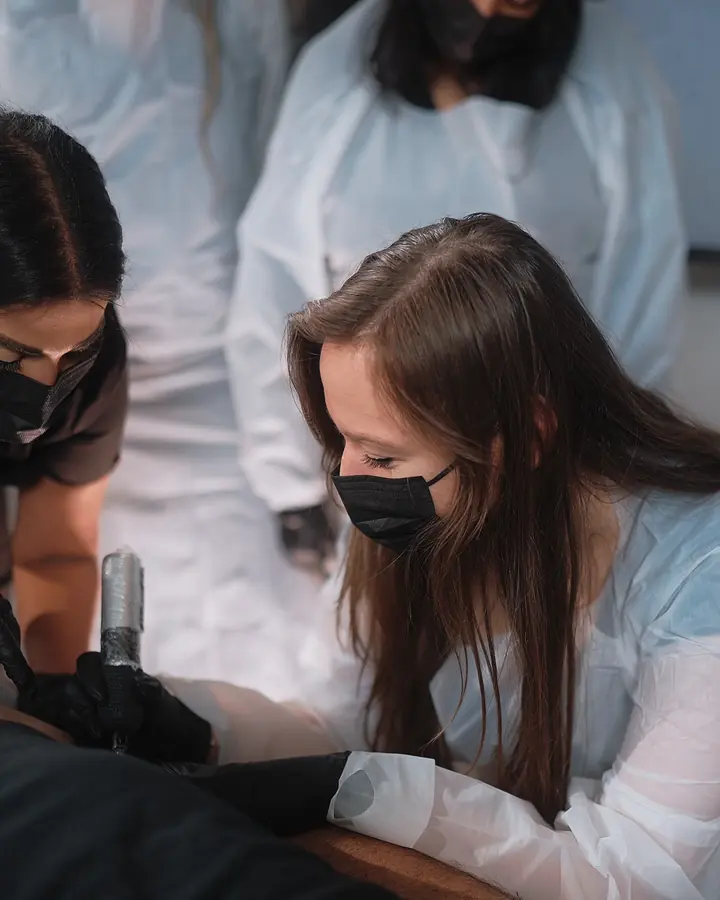
- Treatment sessions, often 1–3 hours depending on the area.
- Follow-ups to assess healed results and refine.
- Content and admin: photographing results (with permission), answering messages, bookings, records.
- Marketing: social media, reviews, referral relationships.
It is detailed, focused work. You need patience, steady hands, an eye for colour and genuine care for people.
Who it suits
Many people come to camouflage from different starting points:
- Mothers starting a new chapter, looking for a skilled, flexible career around family.
- Beauty business owners adding a specialised service.
- PMU artists moving into body and paramedical work.
- Barbers and SMP artists, whose needle and detail skills transfer.
- Career changers, including people from healthcare who want a hands-on creative role.
Beginners are welcome on many courses, including SKINEAV's, as long as the training builds proper fundamentals.
The skills that matter most
- Colour theory and undertone reading.
- Client assessment, including when to say no or "not yet".
- Technique adapted to scar tissue and different body areas.
- Hygiene and infection prevention.
- Communication: explaining honestly what camouflage can and cannot do.
- Photography and presentation of your work.
Building your first portfolio
Clients need to see your work before they trust you with their skin. In Evelyn's words: "In the beginning, your portfolio is everything." Many new artists start by treating a small number of clients at a reduced rate in exchange for permission to photograph their results, then share the client's story (with consent) as well as the photos.
How camouflage artists find clients
- Social media, especially healed results and education.
- Google reviews from happy clients.
- Referral partners such as plastic surgeons, cosmetic clinics, dermatology offices and salons.
- Word of mouth, which in this field is powerful.
- Your own website with honest, helpful content.
Honest notes on income
You will see bold income claims online. Be cautious. Income depends on your skill, your local market, how many hours you work, your pricing, your marketing and how quickly you build trust. Camouflage is a specialised service that clients actively search for, and you can set your own pricing and hours, but there are no guarantees. Plan for a ramp-up period while you build your portfolio and reputation.
Setup steps in Canada
- Choose solid training with hands-on practice and post-course support. See how to choose a paramedical tattoo course.
- Understand provincial and municipal rules. In Ontario, see paramedical tattoo rules in Ontario.
- Set up a compliant workspace and procedures.
- Arrange insurance.
- Build your portfolio and online presence.
- Develop referral relationships.
Mentorship makes the difference
The first months after training raise the most questions: a colour that healed unexpectedly, a client whose scar is borderline, a pricing decision. Having someone experienced to ask is invaluable. SKINEAV Academy includes six months of mentorship after the course, with extra time whenever you need it.
Is it right for you?
Ask yourself:
- Do I enjoy precise, patient work?
- Am I comfortable with emotional conversations?
- Am I willing to say no when a case is not suitable?
- Can I invest time in building a portfolio and reputation?
If the answers are yes, camouflage can be a deeply meaningful career.
A realistic first year
Every journey differs, but a first year for many new camouflage artists includes:
- Months 1–3: practice, portfolio clients, setting up workspace, paperwork and insurance.
- Months 3–6: first paying clients, gathering reviews, building social media with healed results.
- Months 6–12: referral relationships, refining pricing, growing a steady calendar.
Some move faster, some slower. Consistency, quality and honest communication matter more than speed.
Building referral partnerships
Evelyn suggests reaching out to local plastic surgeons and cosmetic clinics, introducing yourself and letting them know you accept post-surgical scar referrals. Bring examples of healed work and be clear about your scope. A few good referral partners can become a steady source of clients over time.
Protecting your reputation
In camouflage, one poorly assessed case can do more damage than many good ones do good. Saying "not yet" to a client with an immature scar, or "this isn't right for camouflage" to someone with a keloid, protects them and you.
Skills beyond the needle
Successful camouflage artists often say the hardest skills are not technical. They include listening carefully, explaining limits kindly, managing a calendar, photographing results well and keeping records tidy. Good training covers the business side alongside technique, and mentorship helps you develop these skills in real situations.
Work-life balance
One reason many people choose this career is flexibility. You can set your own hours and decide how many clients to see. That flexibility comes with responsibility: you are the one who markets, books, follows up and keeps learning. Planning your week with dedicated time for each helps prevent burnout.
Train with SKINEAV Academy
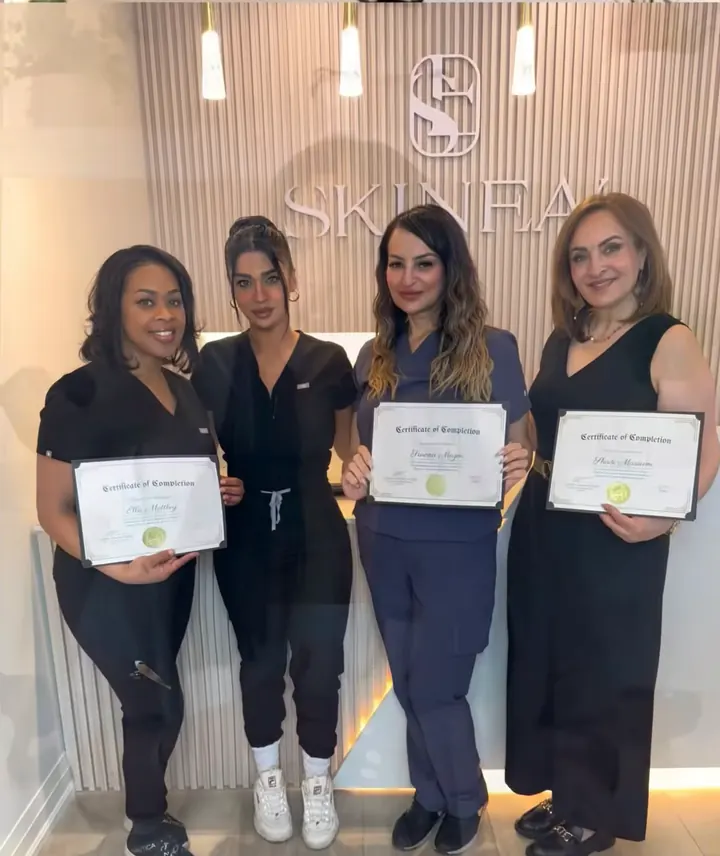
Learn with Evelyn, who has more than 10 years in paramedical tattooing: 3 intensive days, about 5–7 hours each, 1:1 or small groups of up to 5, in person in Vaughan or online via Zoom, with SKINEAV certification, equipment to start, and six months of mentorship. See the camouflage courses, download the free career guide, or text 647-492-4584.
Frequently asked questions
How much do paramedical tattoo artists earn in Canada?
It varies widely with skill, market, hours, pricing and marketing. Be cautious of guaranteed income claims.
Do I need a beauty background?
No. Many courses, including SKINEAV's, welcome beginners, as long as training builds proper fundamentals.
How do new artists get clients?
Through a portfolio of healed results, social media, reviews, referral partners and word of mouth.
How long does it take to get established?
It depends on the person. Plan for a ramp-up period while you build your portfolio and reputation.
Is mentorship included at SKINEAV Academy?
Yes, six months of mentorship after the course, with extra time when you need it.
“In the beginning, your portfolio is everything. People need to see your work before they trust you with their skin.”
Evelyn Alvares Vega, SKINEAV Academy
Real results and real moments
How training works
- Free callTalk through your goals, the right format and current offers.
- Reserve your seatIn person in Vaughan or live online via Zoom.
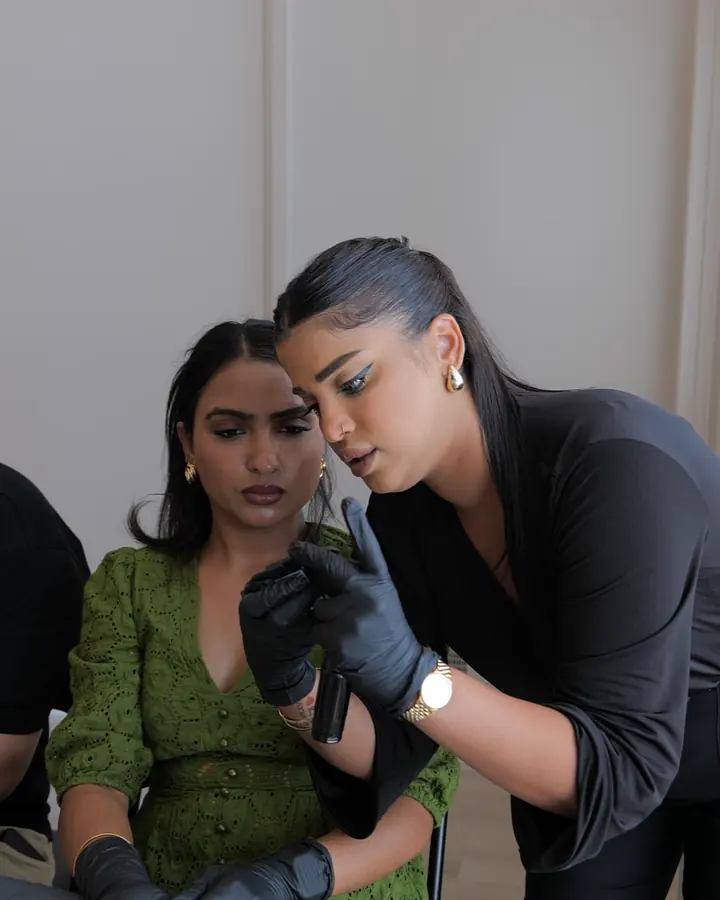
- 3 intensive daysColour theory, technique and supervised practice with Evelyn.
- Six months of mentorshipFeedback on your work while you build your business.