
Academy · Compliance
Paramedical tattoo rules in Ontario: a starter guide
What new camouflage and paramedical tattoo artists in Ontario should know about personal service settings, public health inspections, infection control, records, consent and insurance.
If you are training in camouflage or paramedical tattooing in Ontario, one of the first practical questions is: what do I need to open legally and safely? This guide gives an overview of the main areas to understand. It is general information, not legal advice. Rules can change and can vary by municipality, so always confirm requirements with your local public health unit and municipality before you open.
Personal service settings
In Ontario, businesses that offer services like tattooing, micropigmentation, piercing and some aesthetic services are generally treated as personal service settings under the Health Protection and Promotion Act and its regulation for personal service settings (Ontario Regulation 136/18). Public health units inspect these settings for infection prevention and control.
In practice, this usually means:
- Notifying your local public health unit before opening, as required.
- Being inspected, often before opening and periodically afterwards.
- Following infection prevention and control requirements.
- Keeping specific records.
Each public health unit (for example York Region, Toronto, Peel) publishes guidance and contact details for operators. Contact yours early.
Municipal licensing and zoning
Some municipalities require a business licence for tattoo or body art businesses, and zoning rules can affect where you operate, including from home. Check with your city or town before signing a lease or setting up a home studio.
Infection prevention and control
This is the heart of safe practice. Areas to understand include:
- Single-use, sterile needles and cartridges, disposed of in approved sharps containers.
- Cleaning and disinfection of surfaces and equipment between clients.
- Handling and storage of reusable items, if any, and appropriate reprocessing.
- Hand hygiene and use of gloves.
- Safe handling of pigments, including single-use portions for each client.
- What to do after a blood exposure incident.
A good course covers these practically, and your public health unit's guidance documents spell out the expectations.
Client records and consent
Ontario's personal service setting rules include record-keeping requirements, and good practice goes further:
- Client contact information and service records.
- Health history and contraindication screening.
- Written informed consent, including realistic outcomes and risks.
- Photos, taken and stored with permission.
- Notes on pigments, settings and colour mixes used.
Privacy matters too. Keep records secure and use photos only as the client has agreed.
Knowing when not to treat
Compliance is not only paperwork. Paramedical work involves scars and skin conditions, so judgement is part of safety. Screen for active skin conditions, unhealed or immature scars, keloid tendency, pregnancy and relevant medications, and refer to a physician when something is outside your scope. Make clear that camouflage is cosmetic and does not treat medical conditions.
Insurance
Many artists carry professional liability insurance and general liability coverage. Insurers may ask about your training and certifications. Speak with an insurance broker familiar with beauty and body art.
Working with medical professionals
Many camouflage artists build referral relationships with plastic surgeons, dermatologists and clinics. Be clear about your scope, communicate professionally and never present cosmetic tattooing as medical treatment.
Ongoing learning
Standards evolve. Keep up with your public health unit's updates, industry education and refresher training. At SKINEAV Academy, students get six months of mentorship after the course for exactly these real-world questions.
A simple checklist before opening
- Contact your local public health unit and follow its notification and inspection process.
- Check municipal licensing and zoning.
- Set up infection prevention and control procedures and supplies.
- Prepare intake, health screening and consent forms.
- Arrange insurance.
- Plan secure record keeping.
- Book refresher learning and find a mentor.
Preparing for a public health inspection
While each public health unit has its own process, many new operators find it useful to prepare:
- A clean, organised work area with surfaces that are easy to disinfect.
- A hand-washing sink, as required, with soap and paper towels.
- Sharps containers and a clear waste disposal process.
- Written procedures for cleaning, disinfection and blood exposure incidents.
- Client record and consent templates ready to show.
- Labelled, in-date supplies and pigments.
Asking your public health unit what they look for, before opening, can save time and stress.
Marketing within the rules
Be careful with language. Camouflage tattooing is cosmetic, so avoid describing it as a medical treatment or promising medical outcomes. Use real, healed photos with written permission. Avoid words like "removal" or "cure". Honest marketing builds trust and keeps you on safe ground.
Keeping up to date
Regulations and guidance documents are updated from time to time. Subscribe to updates from your public health unit, review guidance documents periodically, and keep your training current.
Working from a shared salon or rented room
Many new artists start in a rented room or a shared salon. If you do, check that the space meets the requirements for needle-based services, who is responsible for each part of compliance, and how public health inspections work in a shared setting. Clear agreements with the salon owner help avoid misunderstandings.
Where to find official information
Search for your regional public health unit's page on personal service settings, and read the Ontario regulation for personal service settings (O. Reg. 136/18) on the Ontario e-Laws website. When in doubt, call the public health unit directly. Inspectors would rather answer a question before you open than find a problem later.
Learn with support
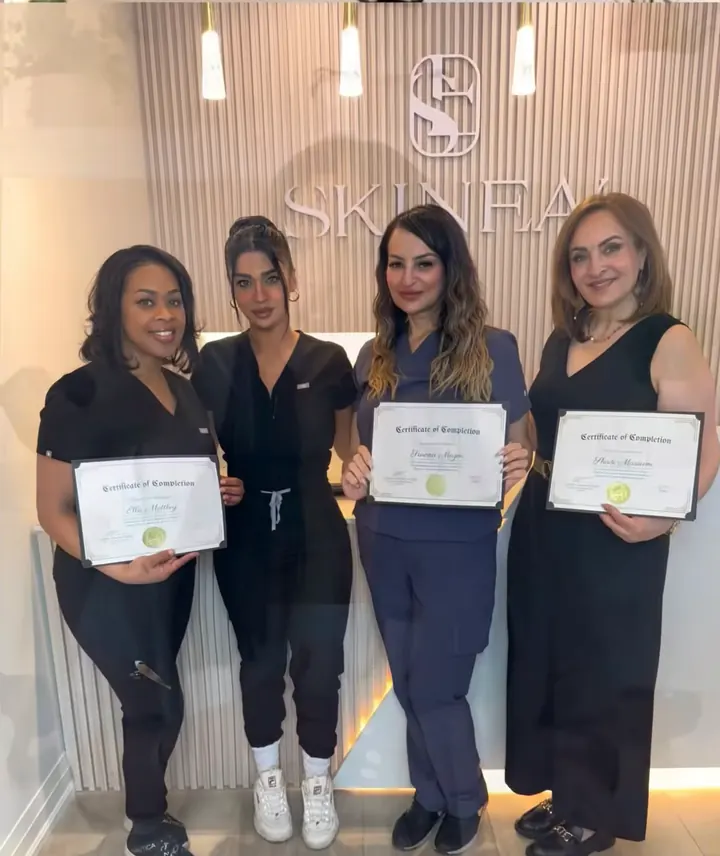
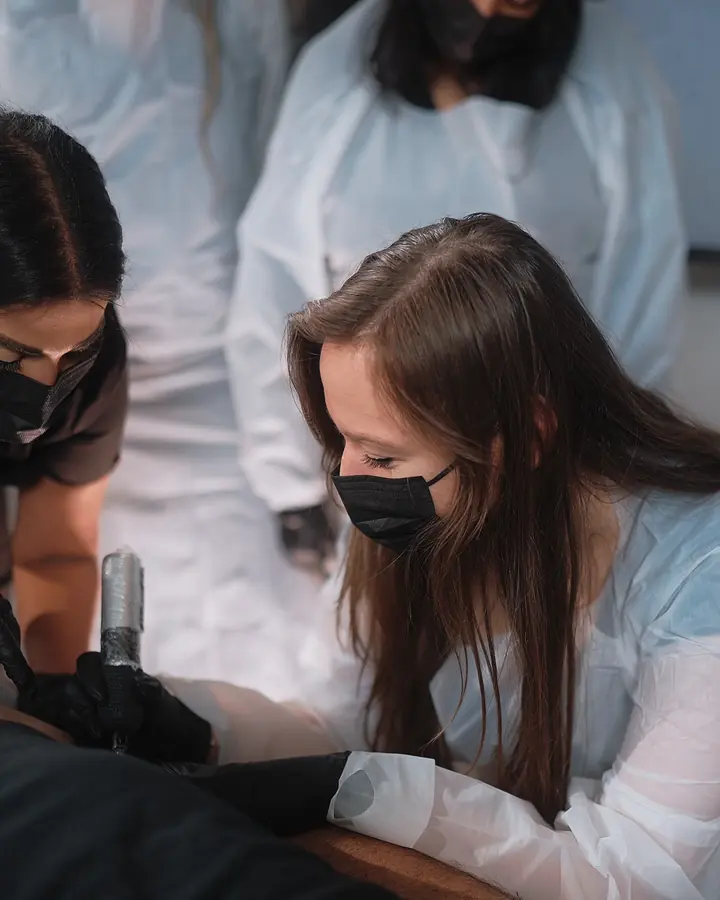
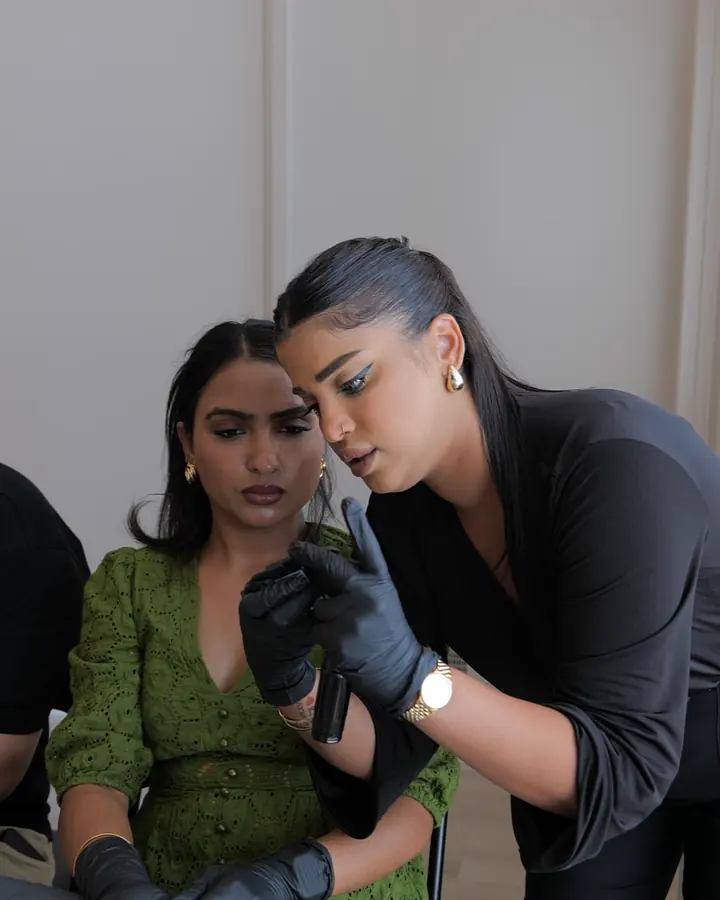
SKINEAV Academy covers hygiene, assessment, consent and the business side, as well as colour theory and technique, over 3 intensive days, about 5–7 hours each, in person in Vaughan or online via Zoom. Groups are small (up to 5), beginners are welcome and six months of mentorship are included.
See the camouflage courses, get the free career guide, or text 647-492-4584.
Frequently asked questions
Do I need a licence to do paramedical tattooing in Ontario?
Tattoo businesses are generally regulated as personal service settings and inspected by local public health. Some municipalities also require business licences. Confirm locally.
Is a course certificate enough to open?
No. A certificate shows training. You still need to follow public health and municipal requirements.
Can I tattoo from home in Ontario?
Possibly, depending on zoning, municipal rules and public health requirements. Check with your city and public health unit first.
What records do I need to keep?
Ontario rules include record requirements, and good practice adds health screening, consent, photos and pigment notes. Confirm with your public health unit.
Does SKINEAV Academy cover hygiene and compliance?
Yes, alongside colour theory, technique, assessment and the business side.
“In the beginning, your portfolio is everything. People need to see your work before they trust you with their skin.”
Evelyn Alvares Vega, SKINEAV Academy
Real results and real moments
How training works
- Free callTalk through your goals, the right format and current offers.
- Reserve your seatIn person in Vaughan or live online via Zoom.
- 3 intensive daysColour theory, technique and supervised practice with Evelyn.
- Six months of mentorshipFeedback on your work while you build your business.