
Academy · Practice
Finding models for camouflage practice: an ethical guide
Model clients help you build experience. They are still real people with real skin, and deserve full care.
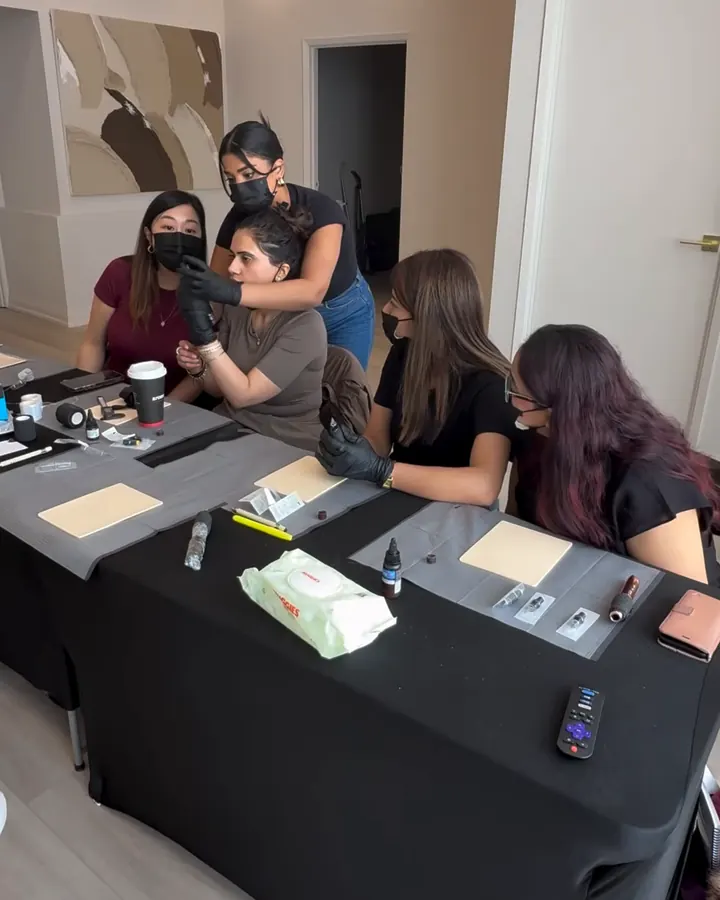
Choose simple cases
Small, flat, pale, mature scars or stretch marks. Turn down complex cases, even if the person is keen.
“In the beginning, your portfolio is everything. People need to see your work before they trust you with their skin.”
Evelyn Alvares Vega, SKINEAV Academy
Be honest
Tell models you are building experience, what is realistic, and that more than one session may be needed.
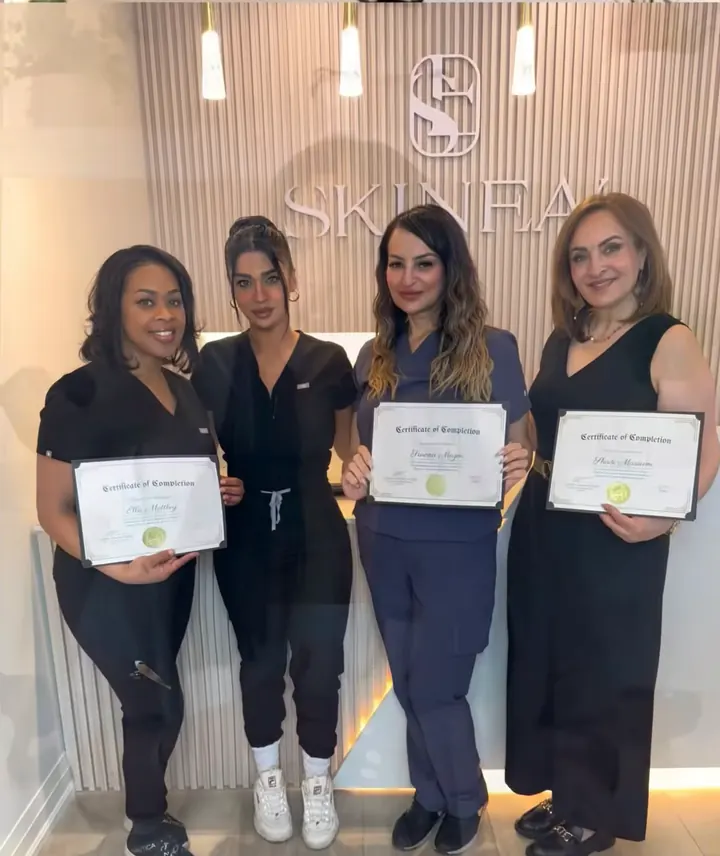
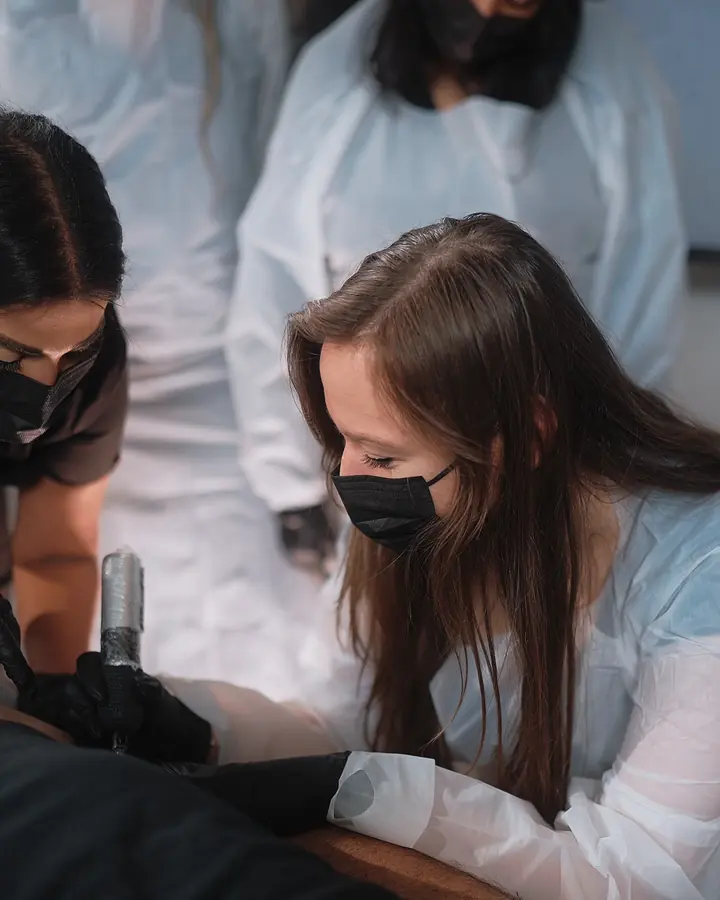
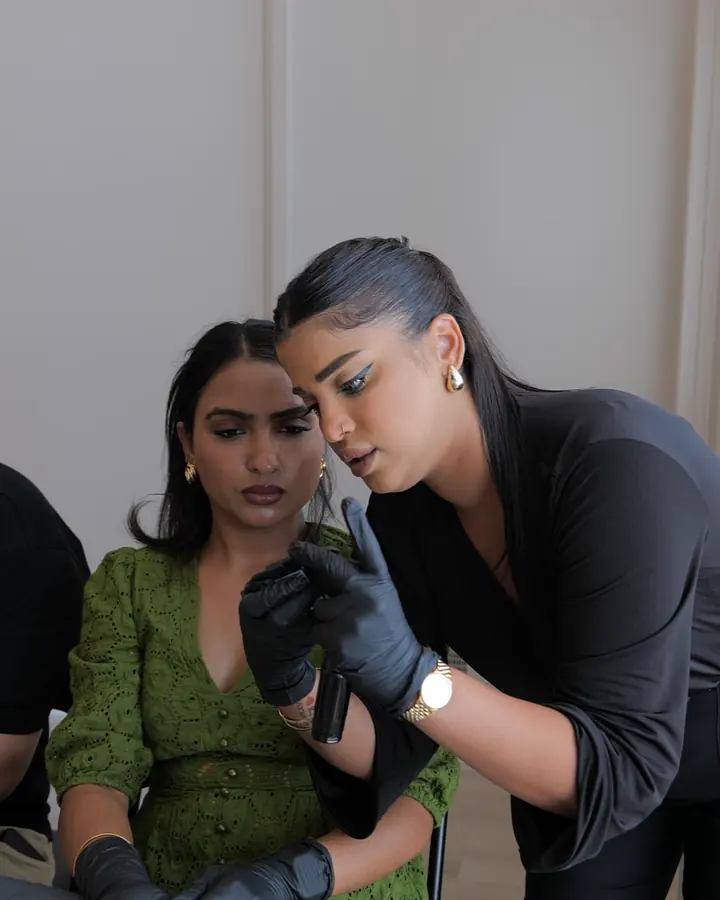
Real results and real moments
Full consultation anyway
Same health questions, same patch test where appropriate, same written aftercare as any client.
How training works
- Free callTalk through your goals, the right format and current offers.
- Reserve your seatIn person in Vaughan or live online via Zoom.
- 3 intensive daysColour theory, technique and supervised practice with Evelyn.
- Six months of mentorshipFeedback on your work while you build your business.
Consent for photos
Written consent, a clear choice about where photos appear, and no faces unless wanted.
Where models come from
Friends and family, your existing PMU clients, and people who have asked about camouflage but are not complex cases.
Follow up
Photograph healed results and review them. That is the point of model work.
Frequently asked questions
What makes a good camouflage practice model?
Someone with a small, flat, pale, mature scar or stretch marks, who understands you are building experience.
Do model clients need a full consultation?
Yes. Same health questions, consent and aftercare as any client.