
Academy · Career
Your first year as a camouflage artist: mistakes to avoid
Most first-year mistakes are not about technique. They are about saying yes too fast.
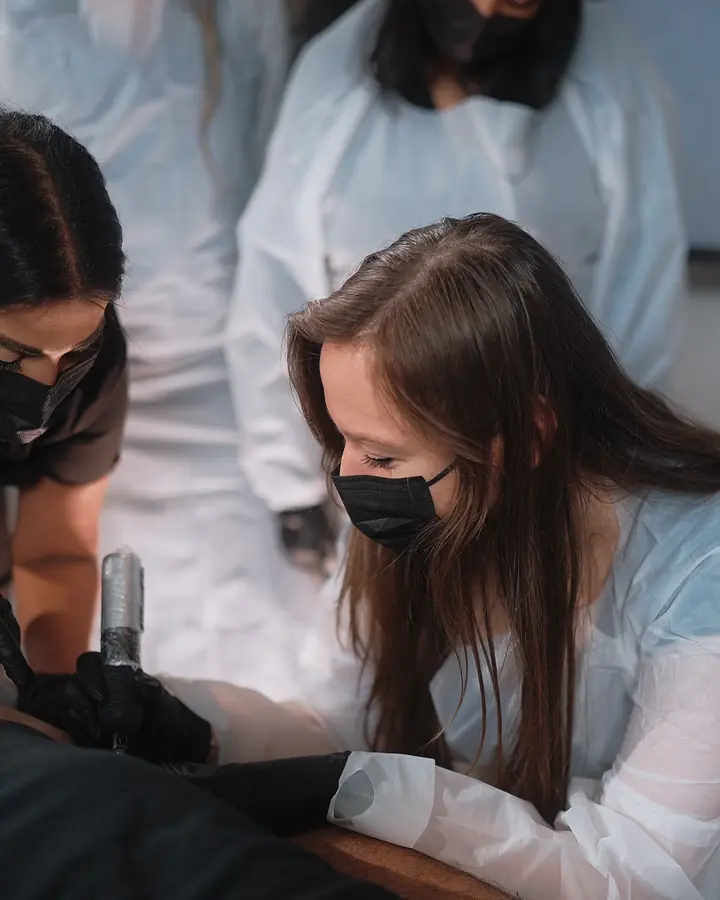
1. Taking complex cases too soon
Raised, red, keloid-prone or facial scars are not first-year cases. Refer them or wait.
“In the beginning, your portfolio is everything. People need to see your work before they trust you with their skin.”
Evelyn Alvares Vega, SKINEAV Academy
2. Going too light
Fear of overcorrection leads to colour that is too light, so the patch stays visible. Test, heal, review.
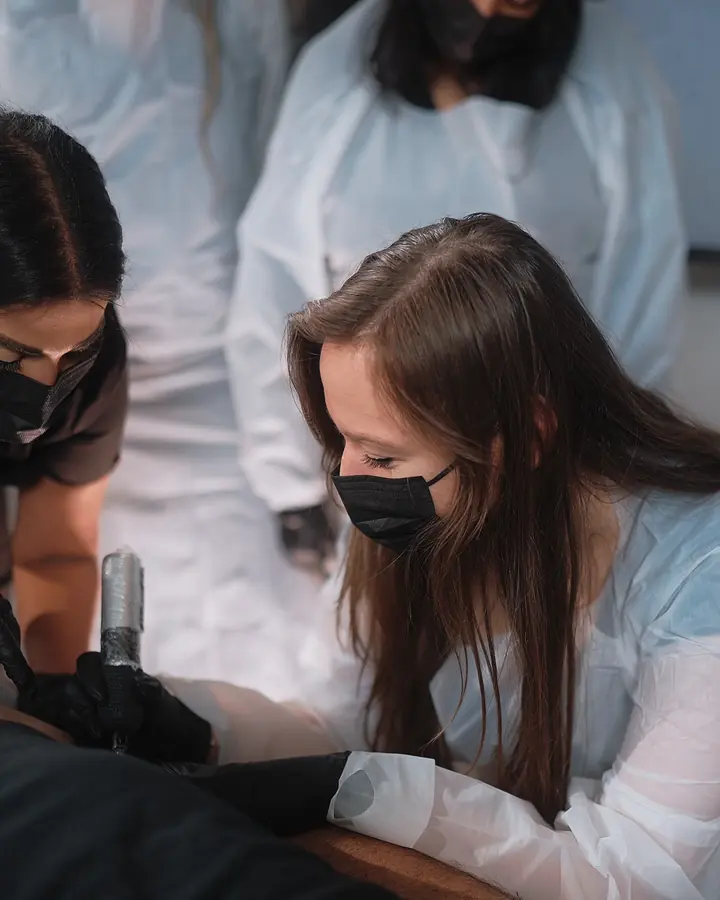
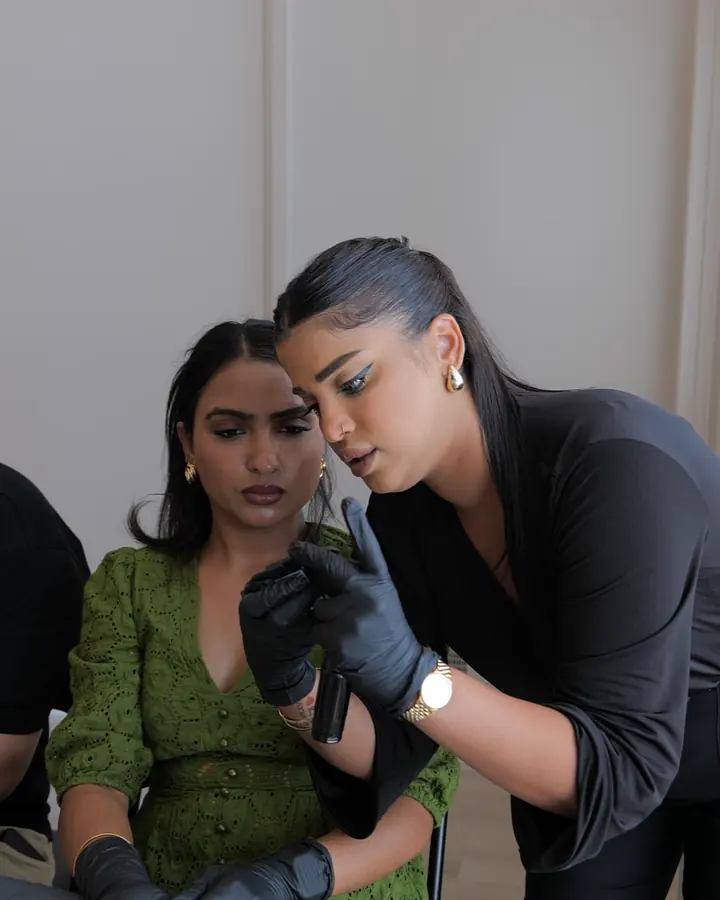
Real results and real moments

3. Overworking scar tissue
Scar tissue reacts differently. Too many passes can traumatise it. See scar tissue and pigment retention.
How training works
- Free callTalk through your goals, the right format and current offers.
- Reserve your seatIn person in Vaughan or live online via Zoom.
- 3 intensive daysColour theory, technique and supervised practice with Evelyn.
- Six months of mentorshipFeedback on your work while you build your business.
4. Not photographing healed results
Without healed photos you cannot learn from your own work, or show it.
5. Promising too much
Camouflage reduces contrast. It does not erase texture. Say so before you start.
6. Weak aftercare explanations
Clients forget verbal advice. Give written aftercare and check in. See teaching aftercare.
7. Working alone
Find a mentor or peers to review healed work with.
Frequently asked questions
What cases should new camouflage artists avoid?
Raised, red, keloid-prone and facial scars are best left until you have experience and healed results.
Why do new artists often get colour too light?
Fear of overcorrection. Testing and reviewing healed results corrects this.