
Academy · Colour
Colour theory for camouflage artists: undertones first
Most camouflage colour mistakes are not about light or dark. They are about undertone.
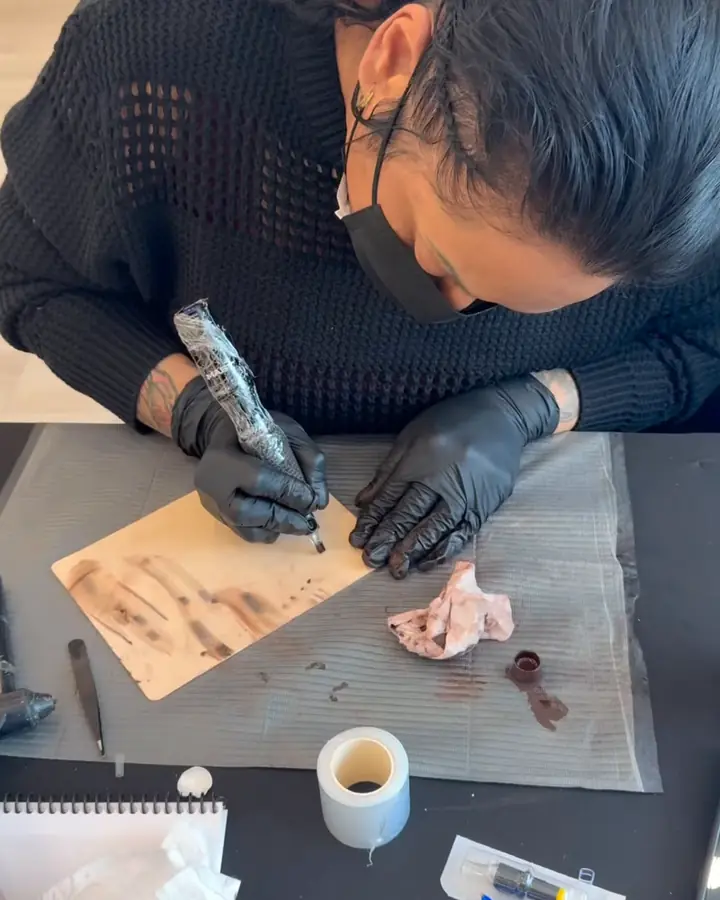
"We don't fix texture, we fix color." Evelyn says it in almost every class. Which makes colour the whole job.
Depth vs undertone
Depth is how light or dark skin is. Undertone is the warmth or coolness underneath: golden, olive, pink, red, neutral. A formula with the right depth but the wrong undertone stands out as grey, ashy, orange or pink. Clients notice that more than slightly too light or dark.
“In the beginning, your portfolio is everything. People need to see your work before they trust you with their skin.”
Evelyn Alvares Vega, SKINEAV Academy
Read the skin around the scar
You are matching the skin beside the scar, not the scar. Look at several points around it. Skin on the same body can shift from the hip to the thigh, from the sun-exposed forearm to the inner arm.
Real results and real moments

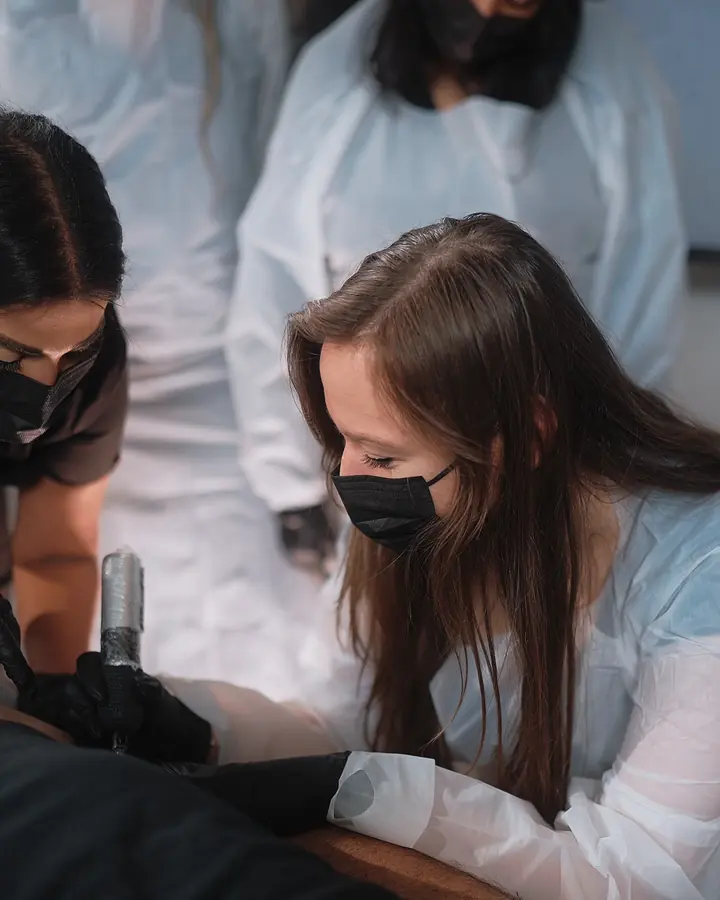
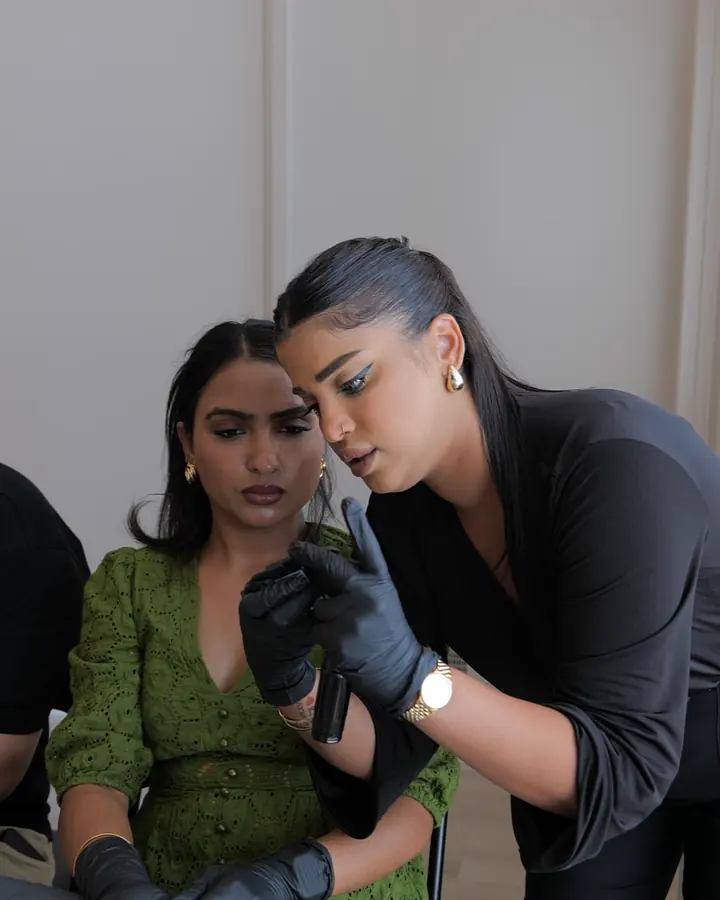
Light changes everything
Assess in neutral daylight where you can. Warm studio lighting can hide undertone mistakes that become obvious outside.
How training works
- Free callTalk through your goals, the right format and current offers.
- Reserve your seatIn person in Vaughan or live online via Zoom.
- 3 intensive daysColour theory, technique and supervised practice with Evelyn.
- Six months of mentorshipFeedback on your work while you build your business.
Test, wait, look again
Swatch a formula on the skin and look at it in different light. Pigment in the skin heals differently from how it looks on the surface, which is why healed results and experience matter.
Common mistakes
- Matching to the scar instead of the surrounding skin
- Ignoring how much the client tans in summer
- One formula for a large area that changes tone
- Going too light "to be safe" and leaving a visible patch
These are central to the SKINEAV camouflage courses.
Frequently asked questions
What matters most in camouflage colour matching?
Undertone, not just depth. A wrong undertone looks grey, orange or pink against the skin.
Should I match the colour of the scar?
No. Match the skin around the scar, at several points.