
Aftercare · Sun
Sun protection after camouflage tattooing
The sun affects camouflage twice: it fades the pigment and it changes the skin around it. A few habits make a real difference.

In Ontario we get long, bright summers and a lot of time outdoors. That is wonderful for us and hard on camouflage. Here is why sun matters so much and what to do about it.
Two problems, one cause
- Fading: UV light slowly breaks down pigment, so treated areas can soften faster.
- Mismatch: your skin tans; camouflage pigment does not. A match made in spring can look lighter against summer skin.
“We don’t fix texture, we fix color.”
Evelyn Alvares Vega, founder of SKINEAV
While healing
Freshly treated skin should be kept out of direct sun entirely. Cover it with loose clothing and follow your specific aftercare instructions. Do not apply sunscreen to an unhealed area unless you have been told it is fine.
Real results and real moments
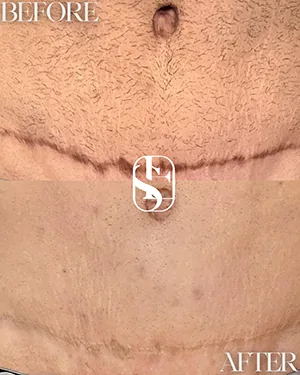
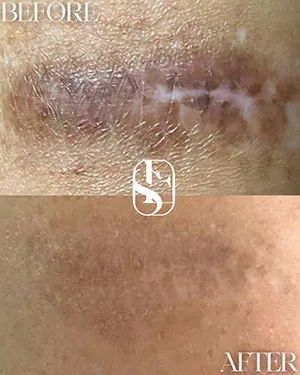
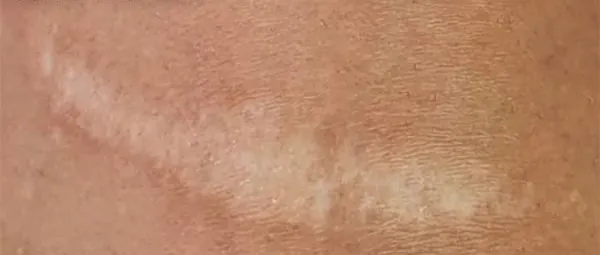
After healing
- Use a broad-spectrum sunscreen on treated areas, and reapply when outdoors
- Cover up during long days outside, at the beach or the cottage
- Avoid tanning beds
- Be consistent: protecting the skin around the area keeps your tone closer to the match too
How it works at SKINEAV
- Photo or callSend a photo or book a free phone consult. Honest first answer.
- Assessment & colour testIn clinic, Evelyn checks your skin and tests a custom formula.
- TreatmentPigment placed precisely, only where it is needed, one-on-one.
- Heal & reviewThe colour settles over weeks; follow-ups are planned if needed.
Planning around summer
Many clients book in autumn or winter so the area heals away from strong sun. If your skin changes a lot between seasons, tell me at the consultation. For vitiligo camouflage, seasonal change is especially important to discuss.
Frequently asked questions
Can I go in the sun after a camouflage tattoo?
Keep freshly treated skin out of the sun while it heals. After healing, use sun protection to protect the result.
Does tanning affect camouflage?
Yes. Your skin darkens but the pigment does not, so tanning can make treated areas look lighter.