
Aftercare · Guide
Camouflage tattoo aftercare: a day-by-day guide
How to care for a scar, stretch mark or vitiligo camouflage tattoo while it heals: the first 48 hours, the first weeks, sun protection, exercise, and when to get in touch.
Good aftercare is part of the result. Camouflage pigment needs to heal well in the skin to settle into its final shade, and the first few weeks make a real difference. This is a general guide. Always follow the specific instructions you are given at your session, because they are tailored to your skin and the area treated.
What is normal right after a session
Straight after treatment, it is common for the area to look:
- Slightly pink or red around the treated lines.
- A little raised or puffy.
- Darker or brighter than your skin. This is expected. Fresh pigment sits close to the surface and looks stronger before it settles.
Some people feel mild tenderness, similar to a light scrape. This usually eases quickly.
The first 48 hours
- Keep the area clean. Gently clean as instructed, using clean hands and a mild, fragrance-free cleanser. Pat dry with a clean paper towel.
- Leave it alone. Avoid touching, scratching or rubbing.
- Wear loose clothing that does not rub the area. For abdominal or hip work, avoid tight waistbands.
- Avoid heavy sweating. Skip intense workouts and hot environments.
- Sleep comfortably in a way that avoids pressure or friction on the area where possible.
Days 3 to 14
As the skin heals, it may feel dry or tight, and you may see light flaking. This is part of normal healing.
- Do not pick or peel. Let flakes come away by themselves. Picking can pull out pigment and cause patchiness.
- Moisturise only as instructed. A very thin layer of the recommended product, if advised. Too much can slow healing.
- No soaking. Avoid baths, swimming pools, hot tubs, saunas, lakes and the sea until healed. Short showers are generally fine.
- No sun on the area. Keep it covered with clothing. Avoid tanning beds completely.
- Avoid irritating products such as exfoliants, retinoids, acids and perfumed lotions on the area.
Weeks 2 to 6: the colour settles
Over the following weeks, the colour softens and blends. It is common for camouflage to look a little uneven or lighter during this phase, before it settles. Try not to judge the result too early. This is one reason sessions are spaced weeks apart: the next session is planned based on how your skin has healed.
You can read a detailed walkthrough for stretch marks in stretch mark camouflage healing.
Sun protection: the long-term rule
Sun is the biggest factor in how camouflage looks over time. Your natural skin tans; the pigment does not tan in the same way. A strong tan around a camouflaged area can make it look lighter by contrast. UV exposure can also fade pigment.
- Once fully healed, use a broad-spectrum sunscreen on treated areas when exposed.
- Reapply during long days outside.
- Consider clothing cover for long sun exposure.
Exercise and daily life
Light walking is usually fine soon after. Hold off on intense exercise, hot yoga or contact sports that cause friction or heavy sweating on the area for the period you are advised, often around a week or two. Check before starting anything that involves water.
Signs to contact us or a doctor
Some redness and tenderness is normal. Get in touch if you notice:
- Increasing redness, warmth or swelling after the first couple of days.
- Pus, a bad smell or spreading redness.
- Fever or feeling unwell.
- Unusual itching, rash or raised bumps.
If you suspect infection or a reaction, see a doctor promptly, and let us know too on 647-492-4584.
Touch-ups and follow-up sessions
Camouflage is usually built over more than one session. At your follow-up, Evelyn will look at how the colour healed and adjust the mix or technique if needed. Over the years, pigment may soften and skin changes, so an occasional touch-up can keep the blend looking its best.
Quick aftercare checklist
- Clean gently, pat dry, hands off.
- Loose clothing, no friction.
- No soaking, no swimming, no sauna until healed.
- No sun, no tanning beds.
- No picking or peeling.
- Sunscreen once healed, every time the area sees sun.
Area-specific tips
- Abdomen and hips: high-waisted, soft bottoms help avoid waistband friction. Avoid tight leggings for the first days.
- Thighs: loose dresses, skirts or wide trousers help. Avoid cycling or long runs while healing.
- Arms and shoulders: loose sleeves, and avoid backpack straps or heavy bags rubbing the area.
- Back: sleep and sit in ways that avoid pressure; avoid tight bra straps on treated areas where possible.
- Hands and feet: these areas get washed and rubbed constantly; take extra care and expect that touch-ups may be needed.
The itch phase
As skin heals, it can itch. Resist scratching. Gently tapping near the area, keeping it lightly moisturised if advised, and wearing soft fabrics can help. Scratching can pull pigment and leave patches.
Products to avoid on the area while healing
- Fragranced lotions and body oils.
- Exfoliating scrubs, acids (AHA, BHA) and retinoids.
- Self-tanner.
- Heavy occlusive layers unless you were told to use them.
How you will know it has healed
When the surface has stopped flaking, no longer feels tender, and the skin texture feels the same as before the session, the top layer has healed. Colour can continue to settle for some weeks after that. Your follow-up appointment is timed to see the true healed result before deciding on the next step.
Aftercare mistakes we see most often
- Judging the colour in week one. It almost always looks stronger than the final result.
- A quick swim "just once". Soaking during healing can lift pigment unevenly.
- Too much ointment. A thick layer can trap moisture and slow healing; use only what you were advised.
- Tight clothing on day one. Friction on fresh work is one of the most common causes of patchy healing.
- Skipping sunscreen later. Years of unprotected sun is the main reason camouflage fades or contrast increases.
Avoiding these five habits gives your skin the best chance of a smooth, even heal.
Questions while you heal
Healing questions are always welcome. Call or text 647-492-4584, or send a photo on WhatsApp. SKINEAV is at 36 Bessemer Ct Unit 1, Vaughan, ON L4K 3C9.
Frequently asked questions
Why does my camouflage tattoo look too dark right after?
Fresh pigment looks stronger before it settles. Most areas soften noticeably over the following weeks.
Can I shower after a camouflage tattoo?
Short showers are generally fine. Avoid soaking in baths, pools, hot tubs or the sea until healed.
When can I go in the sun?
Keep the area out of the sun while healing, then protect it with broad-spectrum sunscreen long term.
When can I work out again?
Light activity is usually fine soon after. Avoid intense, sweaty or friction-heavy exercise for the period you are advised.
What if it looks patchy?
Patchiness during healing is common. Your follow-up session is when the result is assessed and refined.
“We don’t fix texture, we fix color.”
Evelyn Alvares Vega, founder of SKINEAV
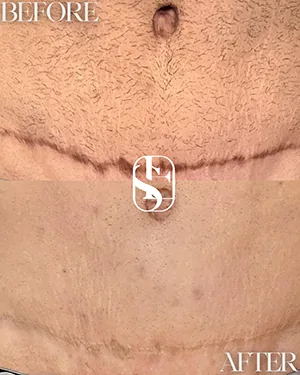
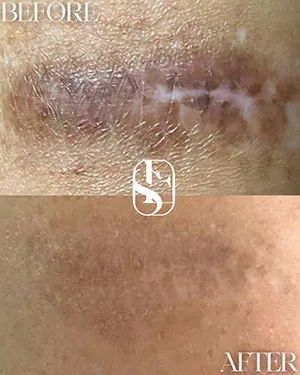
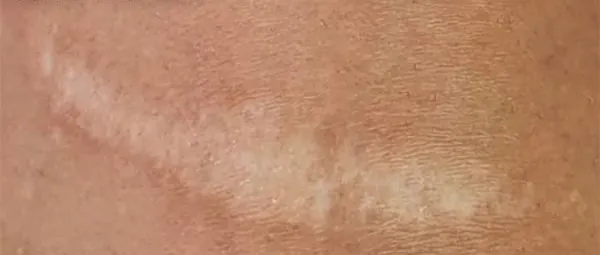
Real results and real moments
How it works at SKINEAV
- Photo or callSend a photo or book a free phone consult. Honest first answer.
- Assessment & colour testIn clinic, Evelyn checks your skin and tests a custom formula.
- TreatmentPigment placed precisely, only where it is needed, one-on-one.
- Heal & reviewThe colour settles over weeks; follow-ups are planned if needed.