
Pigmentation · Guide
Birthmarks and hyperpigmentation: what camouflage can do
Can a camouflage tattoo help birthmarks, darker patches or uneven skin tone? An honest look at light vs dark marks, when a custom formula can help, and when another route is better.
Uneven skin tone comes in many forms: birthmarks, dark patches, light patches, marks left after injury or inflammation. People often ask whether a camouflage tattoo can "even it all out". The honest answer is that camouflage can help some of these, sometimes a great deal, and is the wrong tool for others. This guide explains why, so you can decide what to explore.
Light marks vs dark marks
The single most important question is whether the mark is lighter or darker than your surrounding skin.
- Lighter marks (hypopigmentation, pale birthmarks, pale scars, stable vitiligo): camouflage adds skin-toned pigment, so it can often bring these closer to your natural tone.
- Darker marks (hyperpigmentation, many brown birthmarks, stains): these are among the hardest marks to camouflage. Some can be balanced with a carefully built custom formula; many are better served by dermatology care or makeup. Each case is assessed honestly.
Hypopigmentation: often a good fit
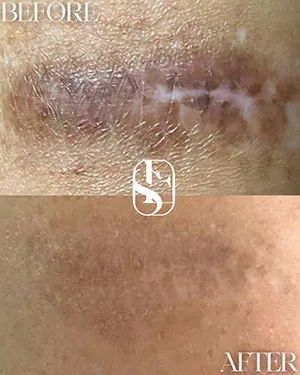
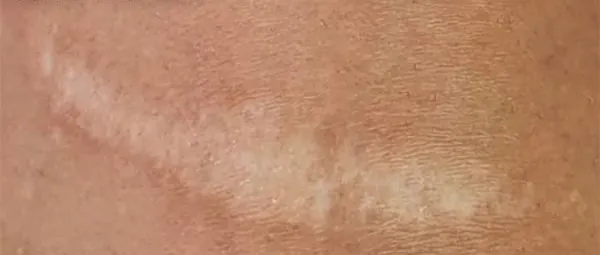
Pale patches left after injury, inflammation, some skin conditions or certain treatments can often be softened with camouflage, once they are stable. The plan involves careful colour matching and usually more than one session. See stain and hyperpigmentation camouflage.
Darker patches and stains: case by case
For some stable darker patches and stains, Evelyn builds a custom formula to bring the area closer to the surrounding tone. It is careful, gradual work, and lighter marks generally respond better than darker ones. Conditions that come and go, such as melasma, sun spots and fresh post-inflammatory darkening, are usually managed with dermatology care: sun protection, topical products and medical procedures. Tattooing over a mark that is still changing risks an unnatural, greyish or patchy look. A dermatologist is the best first stop. Cover makeup is also a flexible option. See camouflage tattoo vs cover makeup.
Birthmarks: it depends
Birthmarks vary widely:
- Pale birthmarks can sometimes be softened by camouflage.
- Brown birthmarks such as café-au-lait marks are darker than surrounding skin and among the most challenging; some may be balanced with a custom formula, others are better left or covered with makeup.
- Vascular birthmarks (red or purple, such as port-wine stains) need medical assessment. They are generally not treated with camouflage tattooing.
- Moles should never be tattooed over. Any changing mole needs a doctor's review.
Edges and halos
Sometimes a dark mark is surrounded by a lighter halo, or a scar has a pale border. In some cases, softening the lighter part reduces the overall contrast. This is a subtle, case-by-case judgement made in person.
Why colour matching matters so much here
Even skin is not one colour. Correcting tone means reading undertones and how light the area should become. Mismatched pigment on uneven skin can draw more attention, not less. Read how skin colour matching works.
Safety first
Before any camouflage on a pigmented area, a doctor should have reviewed anything that is new, changing, itchy, bleeding or irregular. A camouflage artist is not a substitute for a skin check. If anything about a mark worries you, see your doctor first.
Questions for your consultation
- Is my mark lighter or darker than my skin?
- Is camouflage tattooing appropriate, or would another approach be better?
- What result is realistic?
- Would a test area be wise?
- How will sun affect the area over time?
The honest outcome
Sometimes the most helpful thing a consultation can do is tell you not to tattoo, and point you to a better option. That still saves you time, money and worry. When camouflage is the right tool, it can make tone feel more even and give you more freedom in what you wear.
Photographing pigmentation for an assessment
Pigment differences can look very different on camera. For an accurate first opinion:
- Use natural daylight near a window, not direct sun.
- Turn off flash and filters.
- Take one close-up and one wider shot showing surrounding skin.
- If the mark changes with seasons, mention it, or include photos from summer and winter if you have them.
How light and dark marks interact
Uneven tone often involves both lighter and darker areas side by side, for example a scar with a pale centre and darker edges. In those cases, softening the lighter part can make the whole area look calmer, even if the darker edge is left alone. This kind of balancing is where custom mixing and restraint matter most.
Managing expectations with darker marks
When Evelyn takes on a darker patch or stain, the aim is usually a more even tone rather than a perfect match. Progress tends to be gradual, sessions are spaced to let the skin settle, and the healed result guides each step. If a mark is unlikely to respond well, she will say so and suggest alternatives.
Sun protection matters most here
Pigmentation of every kind tends to respond to sun. Daily broad-spectrum sunscreen, shade and covering clothing help keep surrounding skin from darkening and keep contrast lower. This is true whether you choose camouflage, makeup, dermatology care or nothing at all.
Before any treatment: a skin check
If you have many moles, a family history of skin cancer, or any mark that has changed shape, size or colour, see your doctor or a dermatologist for a skin check before considering any cosmetic work in that area. A camouflage artist will not tattoo over moles or suspicious marks, and will ask you to see a doctor if anything looks unusual.
Next step
Send a daylight photo, without filters, for a free photo assessment or book a free phone consult. Call or text 647-492-4584. SKINEAV is at 36 Bessemer Ct Unit 1, Vaughan, ON L4K 3C9, with free parking, serving clients across Vaughan, Toronto and the GTA.
Frequently asked questions
Can a camouflage tattoo cover dark spots?
Some stable darker patches can be balanced with a custom formula, but they are the hardest to camouflage. Changing spots and melasma are better managed medically.
Can a birthmark be camouflaged?
Some can, especially lighter ones. Brown birthmarks are challenging and assessed case by case; vascular birthmarks need medical assessment.
Is camouflage good for melasma?
No. Melasma is best managed medically, with sun protection and dermatology care.
Can you tattoo over a mole?
No. Moles should never be tattooed over, and changing moles need a doctor's review.
What light patches suit camouflage?
Stable, pale patches from injury, inflammation or some conditions can often be softened after assessment.
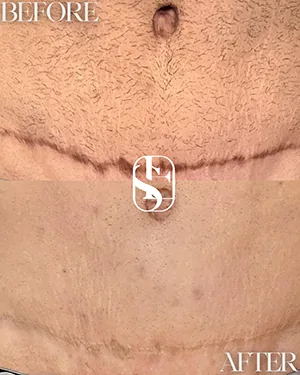
“We don’t fix texture, we fix color.”
Evelyn Alvares Vega, founder of SKINEAV
Real results and real moments
How it works at SKINEAV
- Photo or callSend a photo or book a free phone consult. Honest first answer.
- Assessment & colour testIn clinic, Evelyn checks your skin and tests a custom formula.
- TreatmentPigment placed precisely, only where it is needed, one-on-one.
- Heal & reviewThe colour settles over weeks; follow-ups are planned if needed.