
Vitiligo · Fade
How to fade vitiligo: fade contrast, don’t chase unsafe hacks
People say “fade vitiligo” when they mean make patches less obvious. Some medical therapies aim at repigmentation; DIY lightening hacks on surrounding skin are risky and not advice we give.
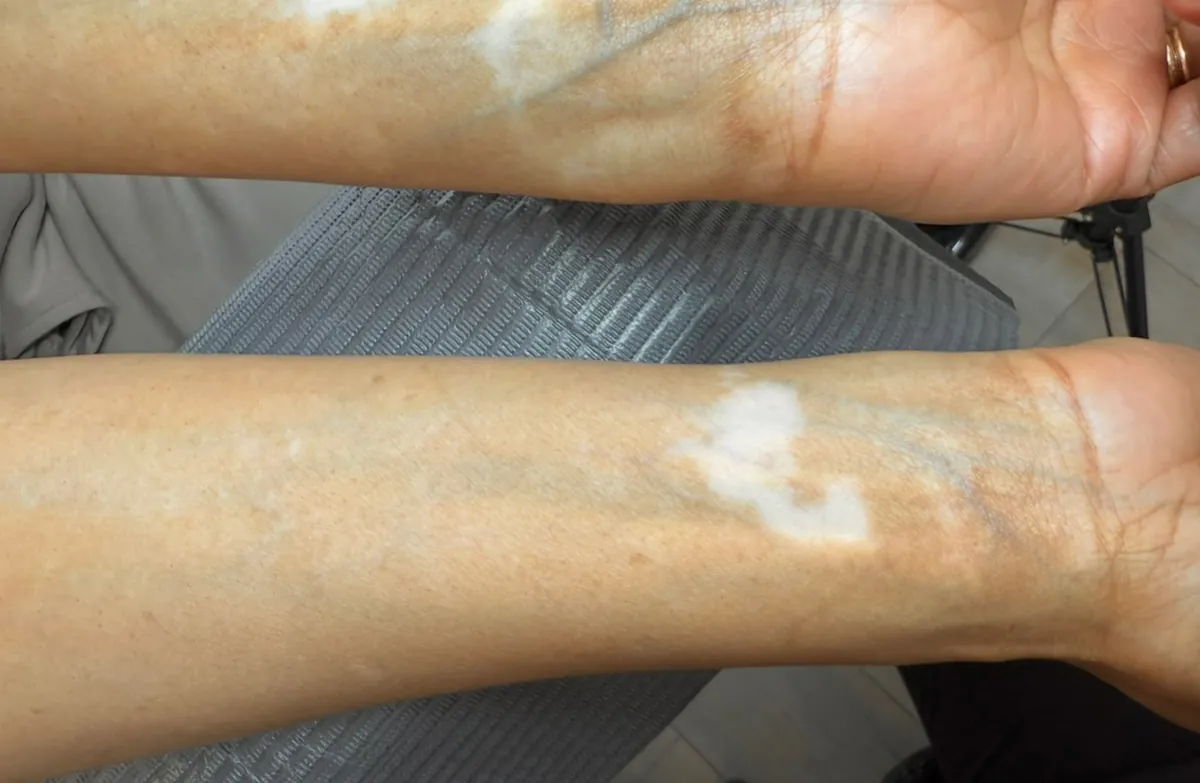
Do not bleach healthy skin to match
Damaging pigmented skin to meet a patch is unsafe. Focus on medical guidance and protective habits instead.
Sun increases contrast
Tanning darkens pigmented skin; patches stay light. SPF on depigmented areas prevents burns and keeps contrast from exploding in summer — see vitiligo summer.
Real results and real moments
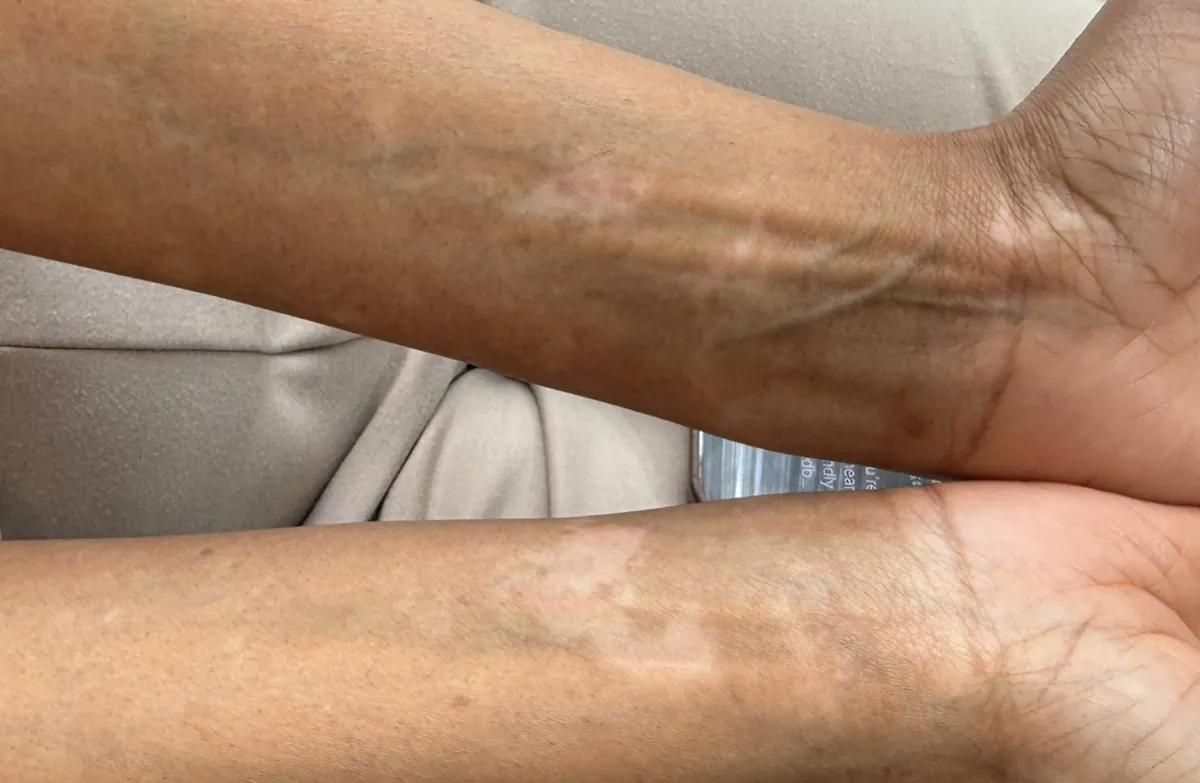
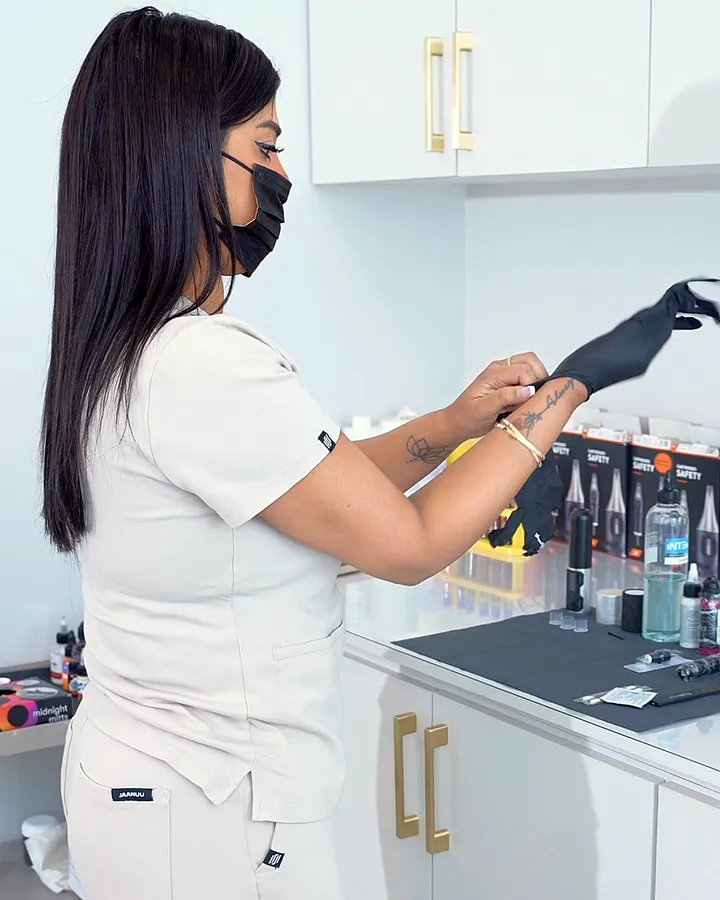
Temporary fade of contrast
Self-tanner and camouflage makeup reduce the visual gap for days or hours. Technique matters on edges.
Longer cosmetic colour
Stable patches may suit pigment camouflage. That adds colour into the patch; it does not medically fade the disease. Hub: vitiligo camouflage.
How it works at SKINEAV
- Photo or callSend a photo or book a free phone consult. Honest first answer.
- Assessment & colour testIn clinic, Evelyn checks your skin and tests a custom formula.
- TreatmentPigment placed precisely, only where it is needed, one-on-one.
- Heal & reviewThe colour settles over weeks; follow-ups are planned if needed.
Your next step
Ready to talk? Call 437-475-2757 for a free phone consult with Evelyn, or send a photo for a free assessment. Visits are by appointment at the clinic in Vaughan (36 Bessemer Ct, Unit 1).
Frequently asked questions
Can lemon juice fade patches?
Do not use acidic DIY on vitiligo skin — irritation risk is real.
Will a tan hide vitiligo?
Usually the opposite — more contrast.
Is fading the same as curing?
No.
How do I find out if camouflage suits my vitiligo?
Call 437-475-2757 for a free phone consult with Evelyn, or send photos through the free assessment page. Expect questions about how long your patches have been stable and what your dermatologist has said.