
Pigment · White patches
Cover white patches on skin: find the cause, then the cover
White patches can be vitiligo, a healed scar, post-inflammatory hypopigmentation or a mark after laser or peel. Covering them starts with knowing what you are covering.
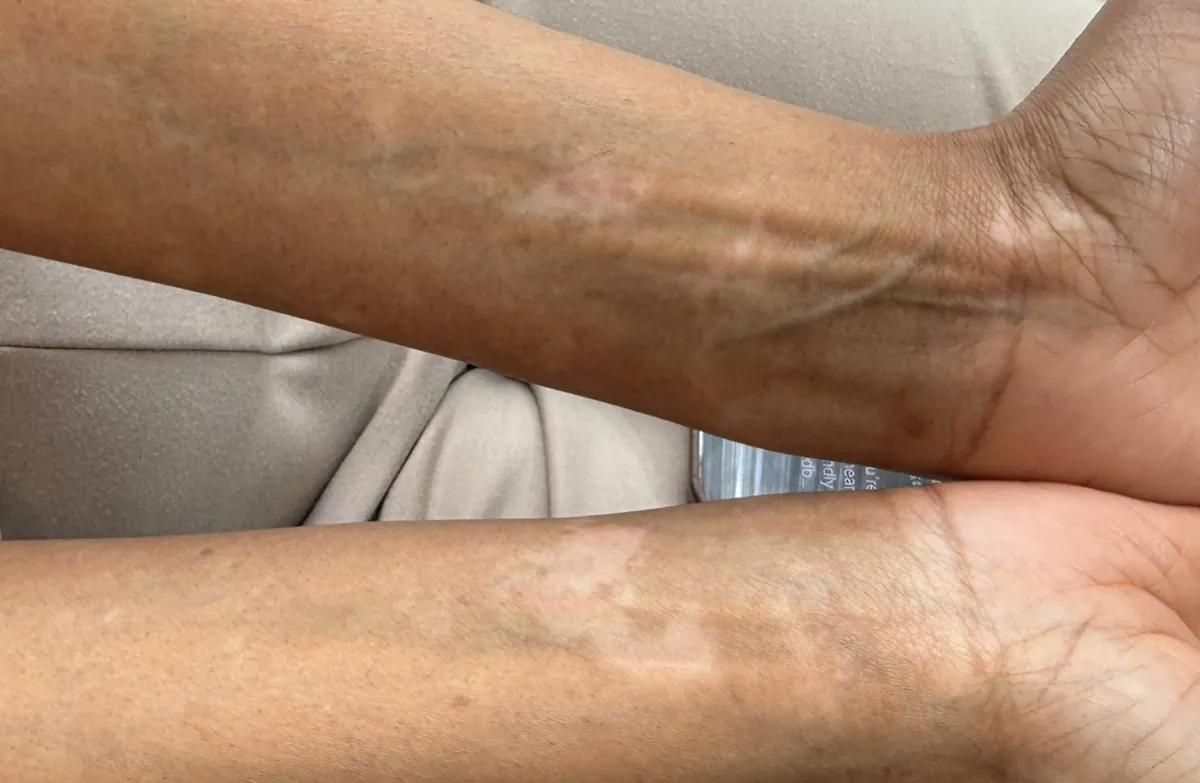
See a clinician if patches are new
New, spreading or undiagnosed white patches need medical assessment. Cosmetic cover waits until you know the diagnosis.
Temporary cover
Camouflage makeup and self-tanner reduce contrast for hours or days. Technique tips overlap with how to cover vitiligo.
Real results and real moments
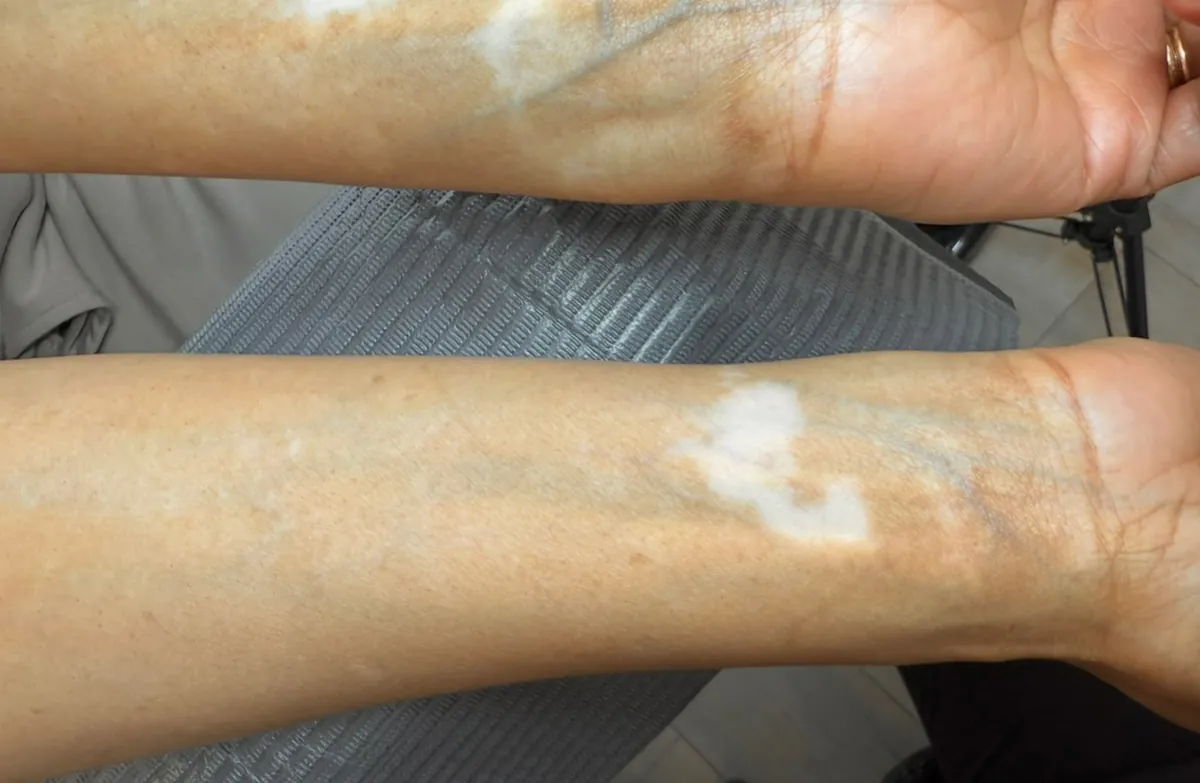
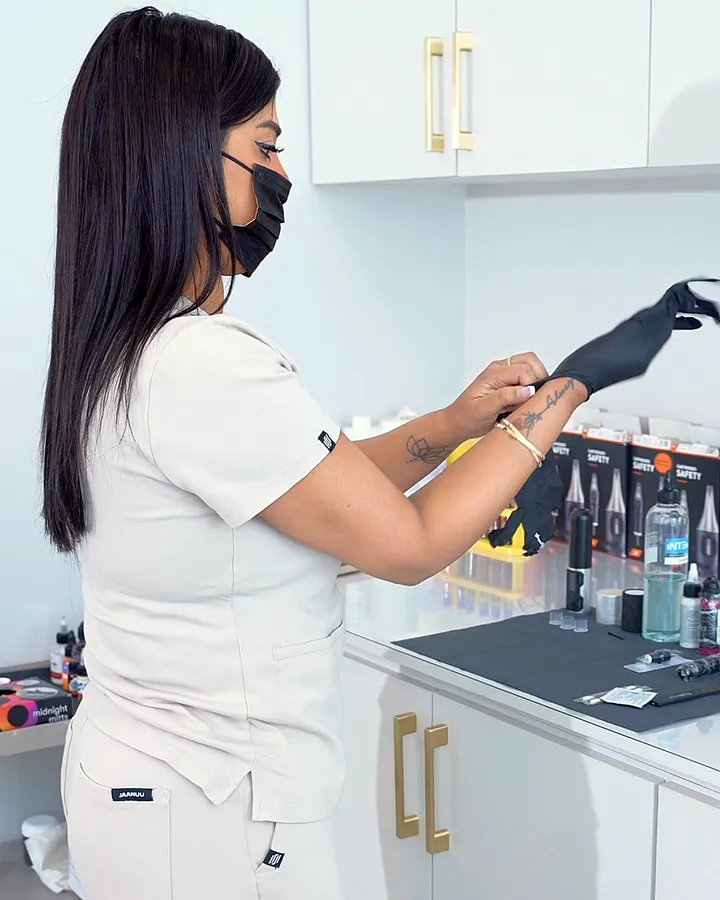
Longer colour match
Stable vitiligo patches and pale scars may suit pigment camouflage. Scar path: scar camouflage. Vitiligo path: vitiligo camouflage. After laser pale zones: hypopigmentation after laser or peel.
What cover cannot fix
Texture, active disease, and unstable pigment. Honesty first — then a colour test when appropriate.
How it works at SKINEAV
- Photo or callSend a photo or book a free phone consult. Honest first answer.
- Assessment & colour testIn clinic, Evelyn checks your skin and tests a custom formula.
- TreatmentPigment placed precisely, only where it is needed, one-on-one.
- Heal & reviewThe colour settles over weeks; follow-ups are planned if needed.
Next step
Ready to talk? Call 437-475-2757 for a free phone consult, or send a photo for a free assessment. Visits are by appointment at the clinic in Vaughan (36 Bessemer Ct, Unit 1).
Frequently asked questions
Are all white patches vitiligo?
No — scars and post-procedure light spots are common too.
Can makeup cover white patches fully?
Often yes with practice; edges need blending.
Is tattooing safe on white patches?
Depends on diagnosis and stability — medical input first.
Where to start in GTA?
Photo or phone consult with SKINEAV.