
How-to · Skin picking · Gentle guide
How to cover skin picking scars: gentle, practical options
Many people pick at their skin, and some live with skin picking disorder (excoriation). The marks it leaves on the face, arms, legs or back can feel like a reminder you did not ask for. This page is practical, judgment-free and honest about what each option can do.
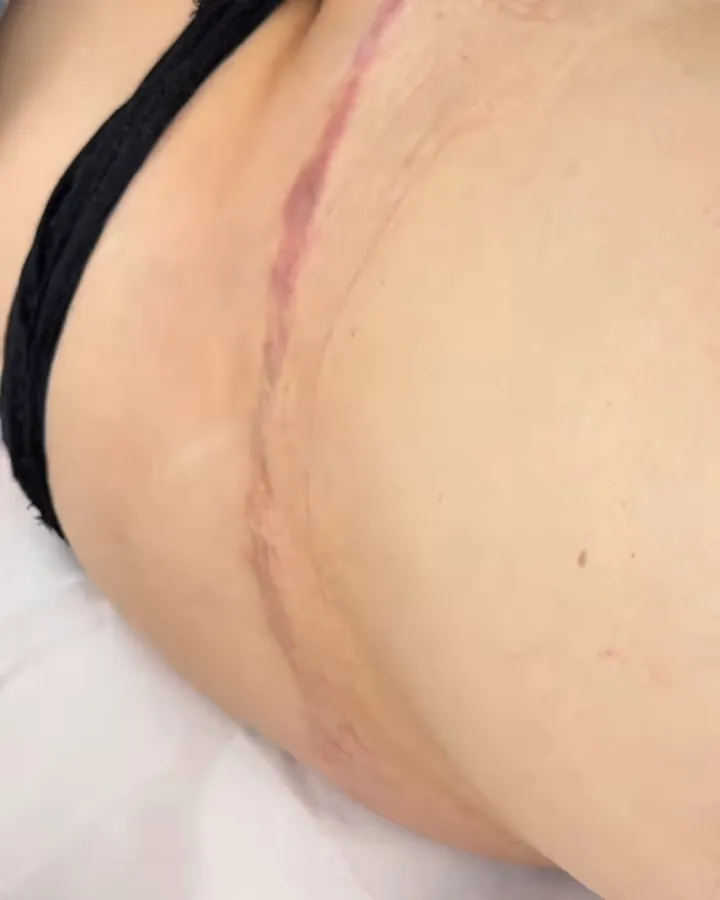
First: not every mark is a scar
Recent picking usually leaves dark or red marks rather than true scars. These are often post-inflammatory colour changes, and many fade on their own over months, especially with daily sunscreen. Older, deeper picks can leave small pale scars or shallow pits, which do not fade the same way.
Knowing which you have changes everything. Dark marks are generally not a job for camouflage; pale, flat, mature scars sometimes are.
Makeup that works on picked skin
For dark marks, a peach or orange colour corrector under a thin concealer neutralises the shadow. For red marks, a green corrector helps. Use soft tools and avoid heavy scrubbing to remove it, as rubbing irritates skin and can tempt more picking. A gentle cleanser and a fragrance-free moisturiser are your friends here.
Some people find keeping nails short, wearing light gloves at home, or covering spots with small hydrocolloid patches helps stop the cycle. A doctor or therapist can help with skin picking itself; it is common and treatable, and asking is nothing to be ashamed of.
Real results and real moments
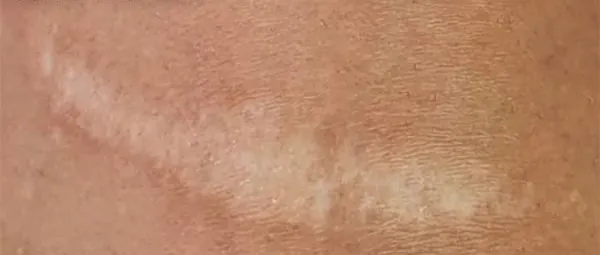
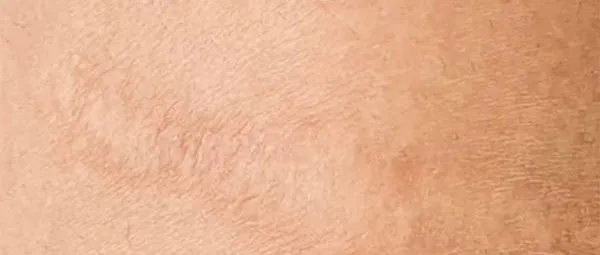
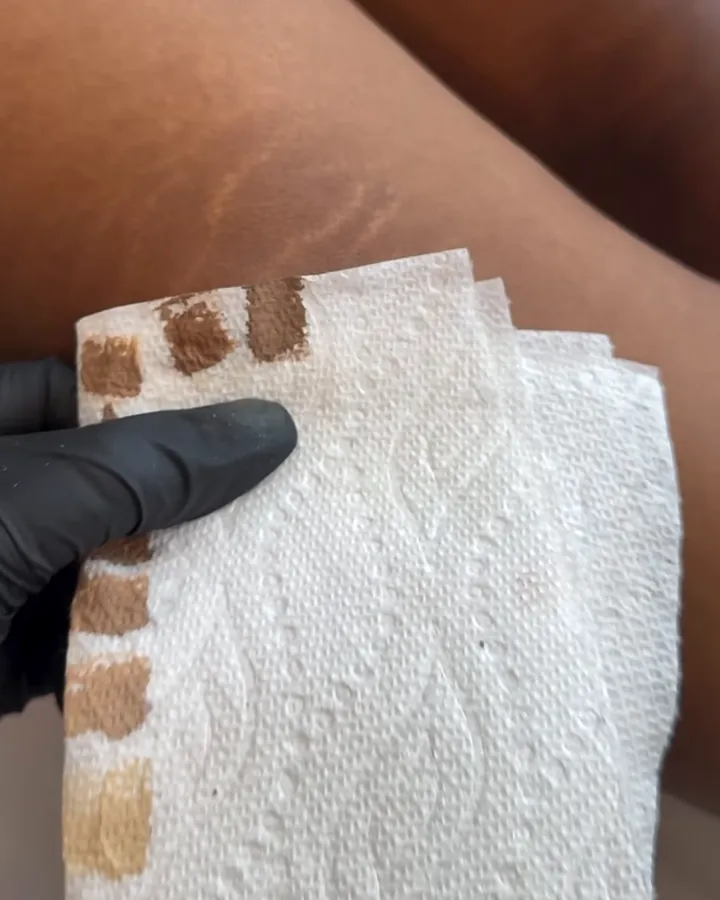
When camouflage may help
If you have stopped picking an area, the marks have been fully healed for a long time, and what remains are pale, flat scars, scar camouflage can blend their colour toward your natural skin tone. It does not remove scars or smooth pits, and results vary. Because picked scars are often small and scattered, a session is a detailed job and Evelyn may suggest focusing on the area that bothers you most first.
When it is not the right time
Camouflage is not suitable over open, scabbed or recently picked skin, and needle work on an area you are still actively picking can lead to infection and uneven colour. If you are still in the cycle, it is kinder to yourself to wait. There is no pressure: you can call simply to ask questions, and the answer may be “come back when it has settled.”
How it works at SKINEAV
- Photo or callSend a photo or book a free phone consult. Honest first answer.
- Assessment & colour testIn clinic, Evelyn checks your skin and tests a custom formula.
- TreatmentPigment placed precisely, only where it is needed, one-on-one.
- Heal & reviewThe colour settles over weeks; follow-ups are planned if needed.
A realistic plan
Because picking scars are often scattered, a common plan is to start with one area, for example the upper arms or jawline, and see how your skin heals and holds colour. Evelyn will check closely that every spot being treated is fully healed. Afterwards, the skin needs to be left alone while it heals, which is worth thinking about honestly if picking is still a habit; she would rather you wait than risk a poor result.
Your next step
Ready to talk? Call 437-475-2757 for a free phone consult with Evelyn, or send a photo for a free assessment. Visits are by appointment at the clinic in Vaughan (36 Bessemer Ct, Unit 1).
Frequently asked questions
Will my picking marks fade on their own?
Many dark or red marks fade over months, especially with daily SPF. Pale scars and pits usually do not fade the same way. A dermatologist can advise on medical options.
Can camouflage cover dark spots from picking?
Usually no. Adding pigment does not lighten a dark mark. Camouflage is better suited to pale, mature scars.
Do I have to explain why I have the scars?
No. You share only what you want to. The consult is about your skin, not your history.
How do I find out if my scar is suitable?
Call 437-475-2757 for a free phone consult with Evelyn, or send clear daylight photos through the free assessment page. You will get an honest answer, including “not yet” or “this is not a good fit” when that is the truth.