
How-to · Shingles · Scars
How to hide shingles scars: what fades and what doesn’t
Shingles usually clears up, but in some people the blisters leave behind marks in a strip on one side of the chest, back, face or neck. If you are looking for ways to make those marks less noticeable, this guide sets out the options honestly.
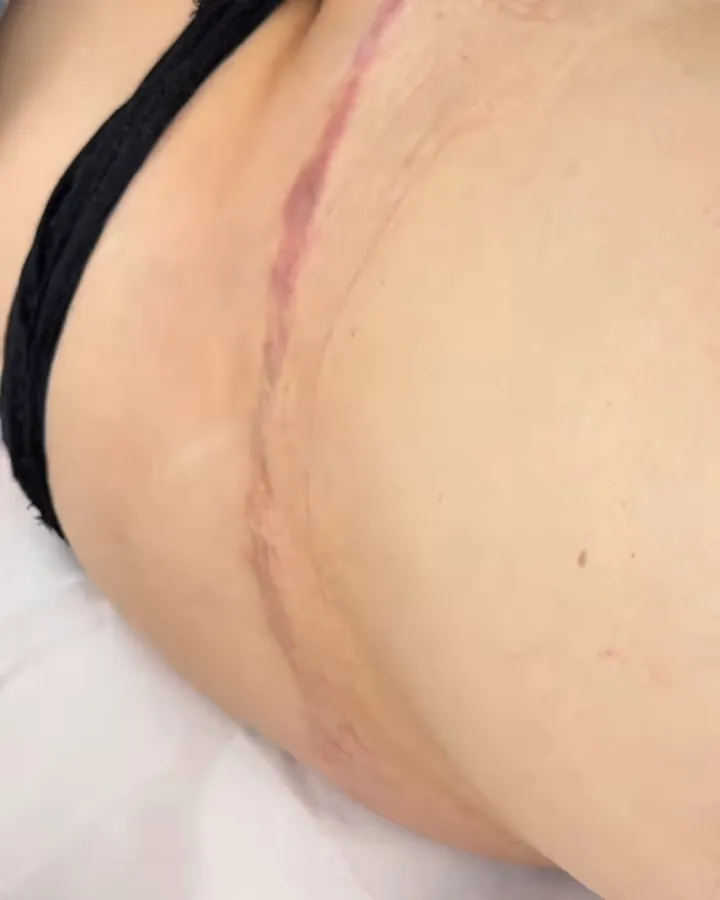
What shingles marks usually look like
Shingles follows a nerve, so any marks it leaves tend to sit in a band or cluster on one side. Early on, they are usually pink, red or brown and often fade gradually. Where the blisters were deeper or became infected, small pale or pitted scars can remain long term.
Some people also live with lingering nerve pain or sensitivity in the area (post-herpetic neuralgia). If that is you, any work on the skin needs to be discussed with your doctor first.
Give it time and protect it
Fresh discolouration often improves over months. Daily sunscreen on the area helps reduce darkening. Avoid picking at scabs while healing. If the area is still itchy, painful or changing, see your doctor; cosmetic options come later.
Real results and real moments
Covering the marks with makeup
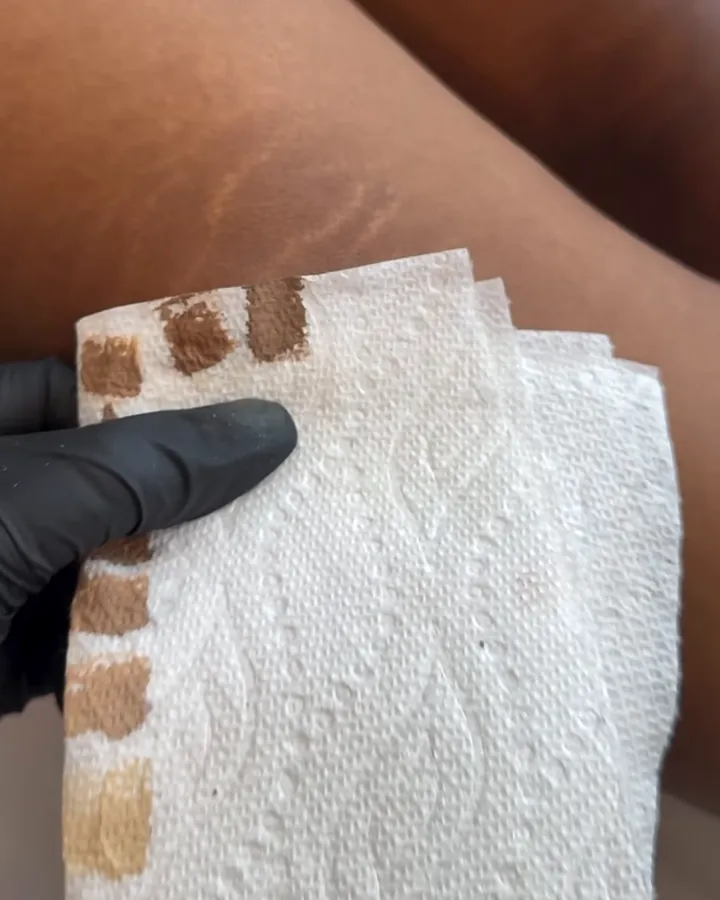
On the face, a thin layer of a skin-matched concealer over a colour corrector (peach for brown marks, green for red) is usually enough. On the body, a waterproof body concealer set with powder works for events. For pitted scars, avoid thick layers that settle into dips; light, pressed layers look more natural.
When colour matching may help
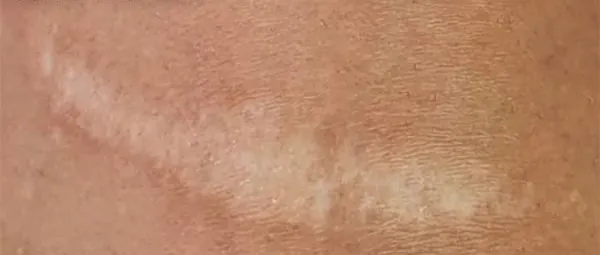
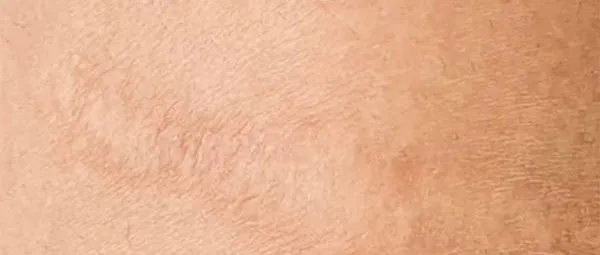
If the area has fully healed, nerve symptoms are settled or cleared by your doctor, and the remaining scars are paler than your skin, scar camouflage can blend those pale spots toward the surrounding skin tone. It will not change texture or pits, and it is not suitable for dark marks, which usually do better with time, sun protection or advice from a dermatologist. Results vary.
How it works at SKINEAV
- Photo or callSend a photo or book a free phone consult. Honest first answer.
- Assessment & colour testIn clinic, Evelyn checks your skin and tests a custom formula.
- TreatmentPigment placed precisely, only where it is needed, one-on-one.
- Heal & reviewThe colour settles over weeks; follow-ups are planned if needed.
What a session is like
Shingles scars are often small spots in a cluster, so treatment is detailed. Evelyn tests a colour beside the scars, then places pigment only into the pale spots and blends the edges. Any area with lingering sensitivity is handled gently, and you can ask to pause at any time. Healing usually takes a few weeks, and a follow-up visit may be suggested to even out colour across the band.
Your next step
Ready to talk? Call 437-475-2757 for a free phone consult with Evelyn, or send a photo for a free assessment. Visits are by appointment at the clinic in Vaughan (36 Bessemer Ct, Unit 1).
Frequently asked questions
Do shingles scars go away?
Many marks fade with time. Deeper scars that are pale or pitted are more likely to stay. A dermatologist can tell you what you have.
I still have nerve pain in the area. Can I get camouflage?
Speak with your doctor first. Working on an area with active nerve pain may not be appropriate.
Can camouflage lighten dark shingles marks?
No. Pigment cannot make skin lighter. Camouflage is better suited to pale scars.
How do I find out if my scar is suitable?
Call 437-475-2757 for a free phone consult with Evelyn, or send clear daylight photos through the free assessment page. You will get an honest answer, including “not yet” or “this is not a good fit” when that is the truth.