
Academy · SMP career
How to become an SMP artist in Ontario: an honest roadmap
SMP is a skilled cosmetic service with growing demand. Here is what the path really involves.
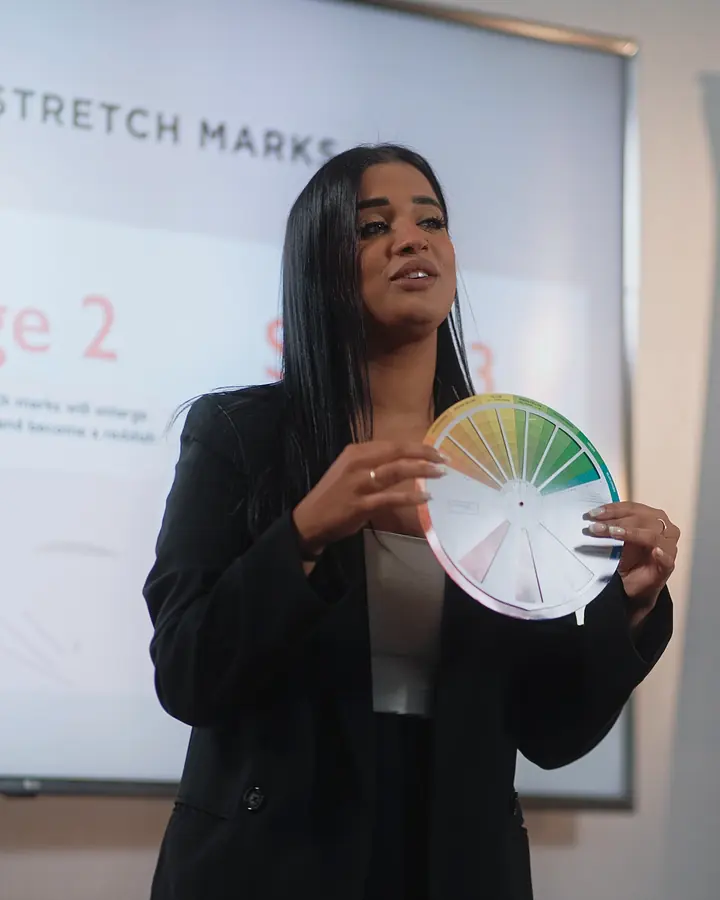
What an SMP artist does
An SMP artist places pigment in the scalp to create the look of hair follicles or density. The work is precise and repetitive, and the artistry is in the planning: a believable hairline, the right shade, and density that looks natural in daylight.
Skills to build
- Hairline design and facial proportion
- Colour theory for scalp and skin tones
- Consistent depth and dot size
- Client consultation and managing expectations
- Hygiene and safe practice
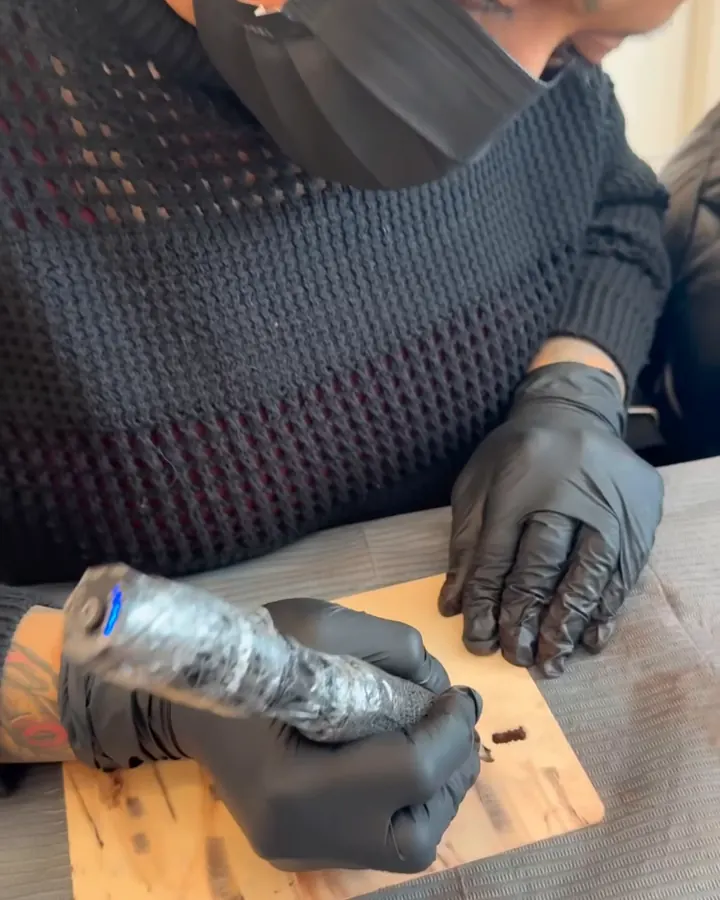
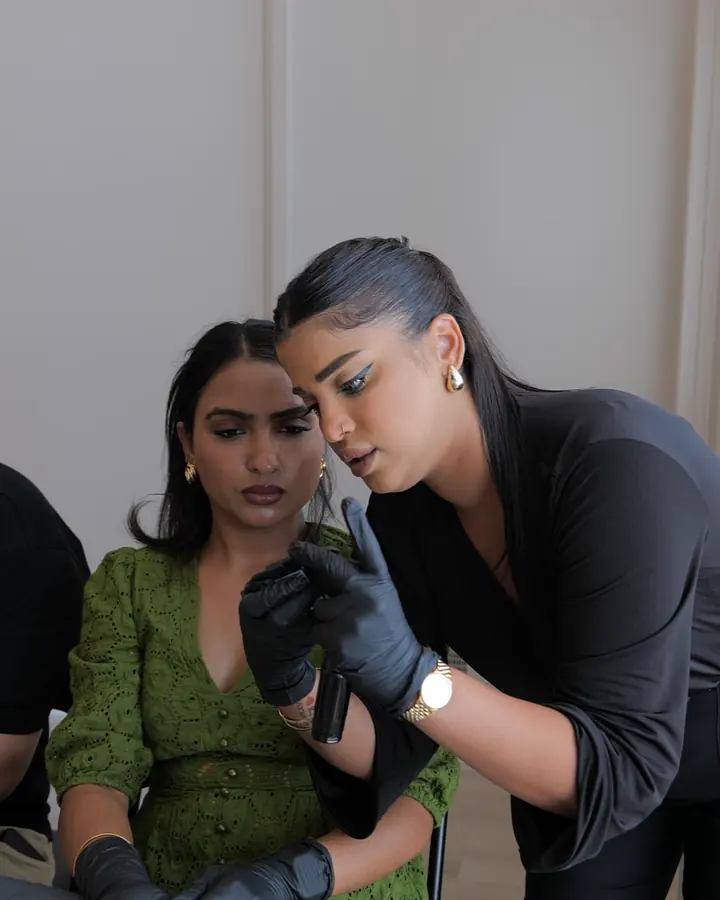
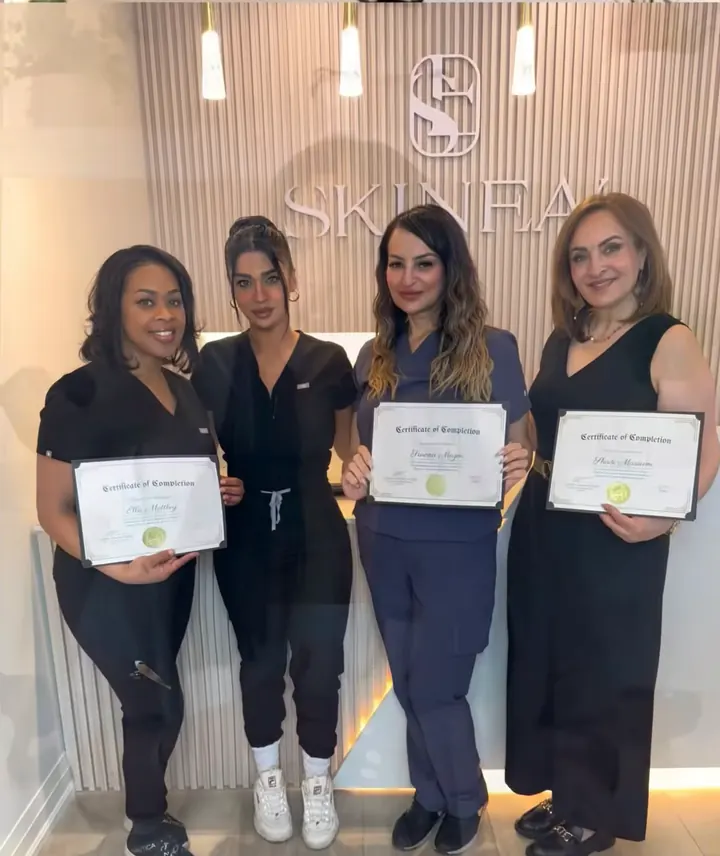
Real results and real moments
Training and practice
Choose training that includes real supervision, not just theory. Practice skins help with consistency, and supervised work builds judgement. Read what to look for in SMP training.
Rules in Ontario
Personal service settings in Ontario are subject to public health requirements, and local rules can vary. Check with your local public health unit and read paramedical tattoo rules in Ontario.
Building a business
Income varies widely with skill, location, pricing and marketing, and nothing is guaranteed. Healed portfolio photos, honest consultations and referrals tend to matter most. Many SMP artists also add skin camouflage to serve clients with scars. Ask about the SMP course.
Frequently asked questions
Do I need a licence to do SMP in Ontario?
Requirements depend on where you work. Check with your local public health unit.
Can a barber become an SMP artist?
Many do. Hairline and fade skills transfer well, but pigment, depth and hygiene training are still needed.
How long does it take to learn SMP?
Courses are short, but confident work comes with supervised practice over time.
Is SMP a good career?
Demand exists, but income varies with skill, location and marketing. Nothing is guaranteed.