
Scars · Laser
Does laser remove scars: improve often, erase rarely
Laser marketing leans on “removal.” Clinical reality is closer to softening colour or texture over multiple sessions — with risks that differ by skin tone.
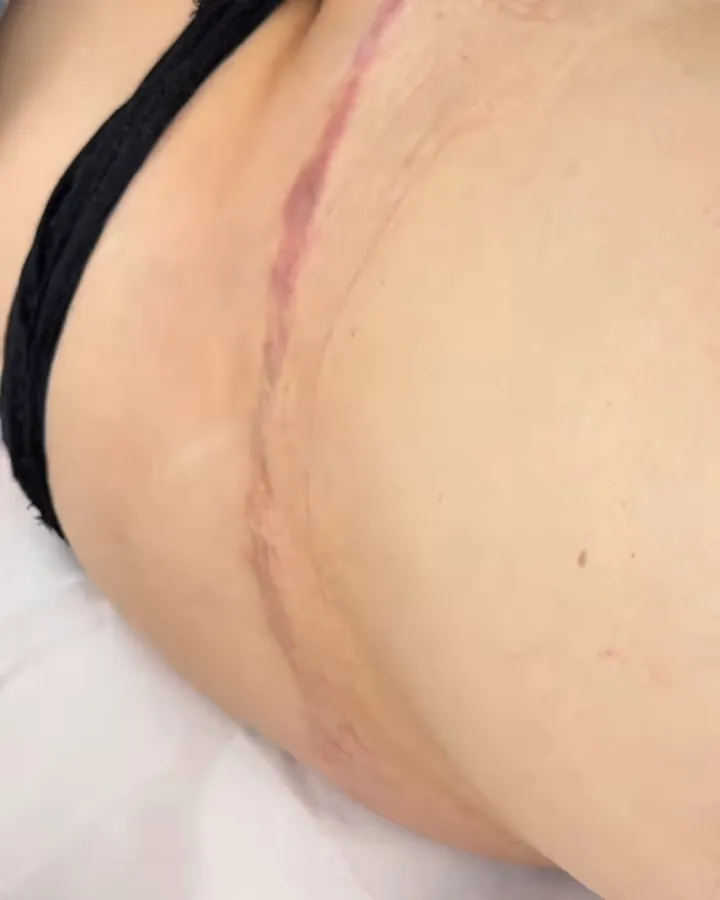
What lasers are used for
Depending on device and scar type: redness, uneven texture, or pigment issues. A dermatologist or qualified laser clinician chooses settings. This is medical/device territory, not something a camouflage studio performs as laser surgery.
Complete removal is uncommon
Many scars become less obvious rather than gone. Darker skin tones need careful providers because lasers can worsen pigment. Ask about evidence for *your* scar type.
Real results and real moments
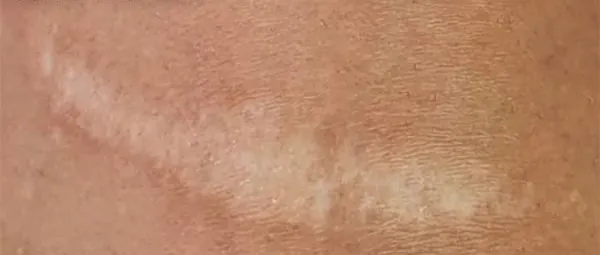

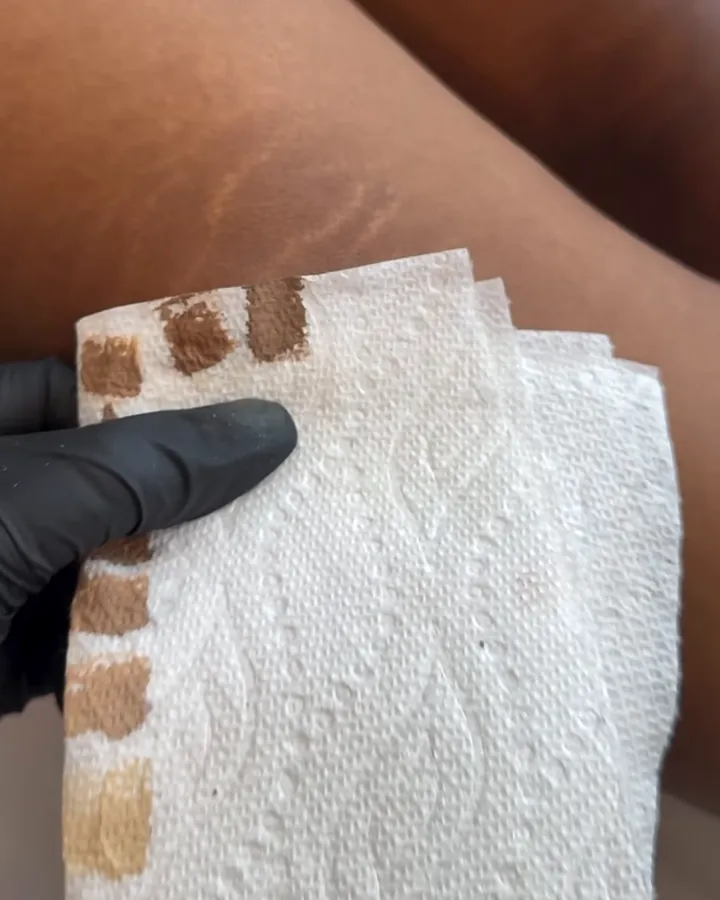
When colour camouflage is the other fork
If a scar is already flat and pale, and laser is not desired or not advised, scar camouflage may blend colour instead. Compare with camouflage vs laser.
Do not stack blindly
Needling pigment into freshly lasered skin without clearance is a bad plan. Sequence matters; get both providers talking if you combine paths.
How it works at SKINEAV
- Photo or callSend a photo or book a free phone consult. Honest first answer.
- Assessment & colour testIn clinic, Evelyn checks your skin and tests a custom formula.
- TreatmentPigment placed precisely, only where it is needed, one-on-one.
- Heal & reviewThe colour settles over weeks; follow-ups are planned if needed.
Your next step
Ready to talk? Call 437-475-2757 for a free phone consult with Evelyn, or send a photo for a free assessment. Visits are by appointment at the clinic in Vaughan (36 Bessemer Ct, Unit 1).
Frequently asked questions
Will one laser session erase a scar?
Usually no — series are common.
Is camouflage a type of laser?
No.
Who should advise on laser?
A qualified medical or laser clinician — not social media.
How do I find out if my scar is suitable?
Call 437-475-2757 for a free phone consult with Evelyn, or send clear daylight photos through the free assessment page. You will get an honest answer, including “not yet” or “this is not a good fit” when that is the truth.