
Academy · Technique
Practice skins for camouflage artists: uses and limits
Practice skin is where everyone starts. It is not where you learn camouflage.
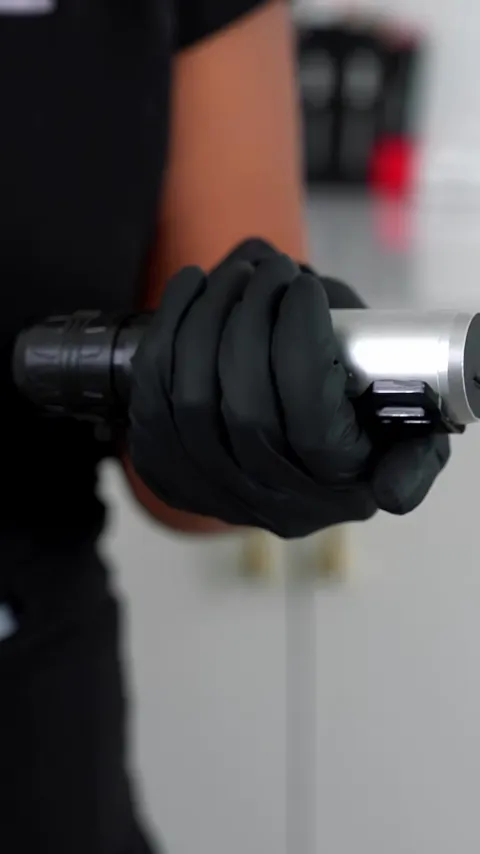
What practice skin is good for
- Machine handling and hand stability
- Consistent stroke and pattern
- Basic needle angle and rhythm
- Building confidence before touching a person
“In the beginning, your portfolio is everything. People need to see your work before they trust you with their skin.”
Evelyn Alvares Vega, SKINEAV Academy
What it cannot teach
- How real skin stretches, bleeds and swells
- How scar tissue resists or releases pigment
- How colour heals in living skin over weeks
- Working with a real person: comfort, positioning, conversation
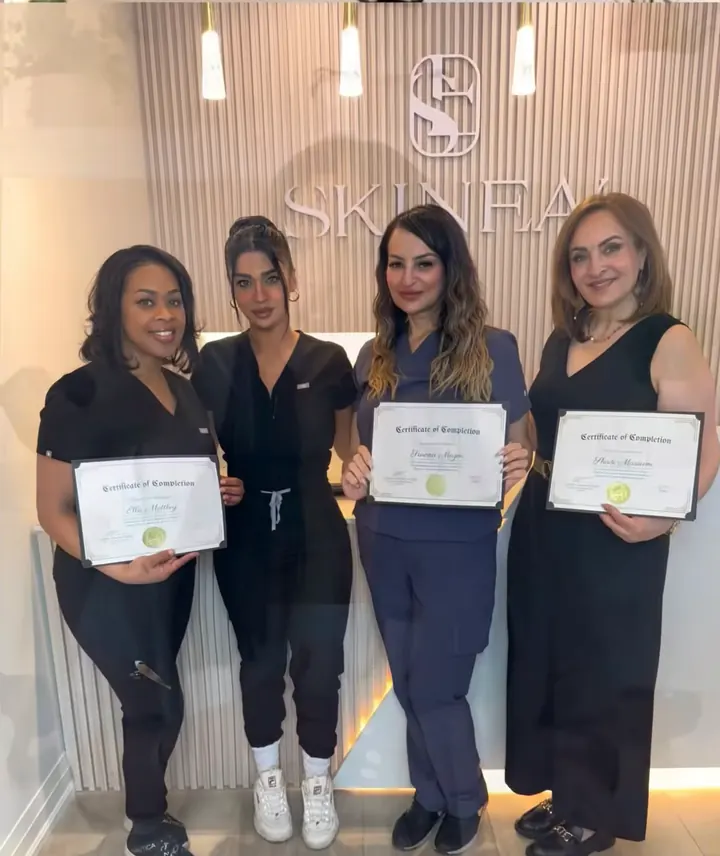
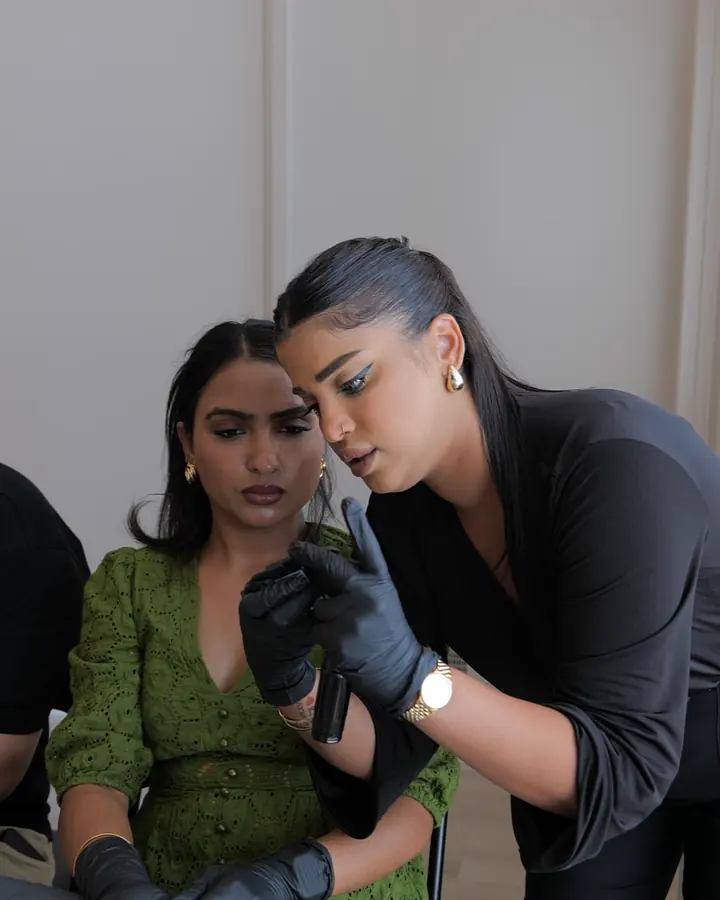
Real results and real moments
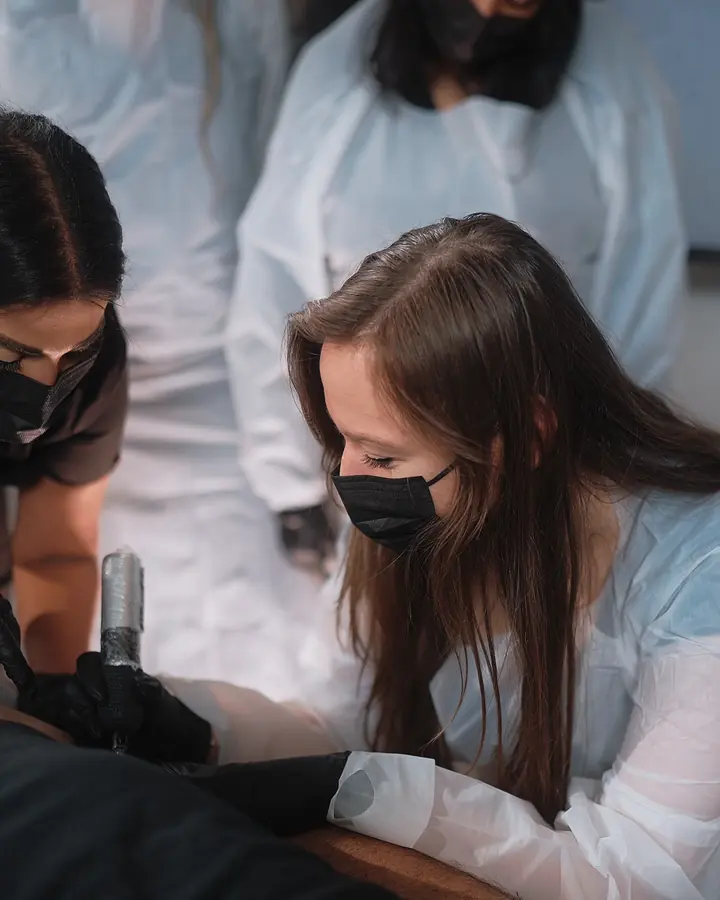
Moving to live models
The safest path is supervised. A trainer watches your depth and speed on real skin and stops problems before they happen. That is why the in-person SKINEAV courses include live-model practice with Evelyn beside you.
How training works
- Free callTalk through your goals, the right format and current offers.
- Reserve your seatIn person in Vaughan or live online via Zoom.
- 3 intensive daysColour theory, technique and supervised practice with Evelyn.
- Six months of mentorshipFeedback on your work while you build your business.
For online students
Online training is taught live, with technique demonstrated on camera and a professional kit shipped to your door in most cases. Six months of mentorship gives you feedback on your work. See the online course.
Getting the most from practice skin
- Practise consistent lines and even shading before you practise "blending"
- Work at different machine speeds and note how the deposit changes
- Practise on curved surfaces, not only flat sheets, to mimic the body
- Time yourself: speed without consistency is not progress
Recognising when you are ready to move on
When your passes are even, your depth feels consistent and you can repeat a pattern reliably, you are ready for supervised real skin. Until then, more practice skin is the faster route.
Common practice-skin habits to unlearn
Practice skin does not bleed, swell or move. Artists who only train on it sometimes press too hard or go over areas too many times on real skin. Supervision in the first live sessions catches these habits early.
Frequently asked questions
Can I learn camouflage only on practice skin?
Practice skin builds hand skills, but it cannot teach how real skin and scar tissue behave. Supervised live-model practice is important.
Do online students get equipment?
In most cases, a professional kit is shipped to your door.