
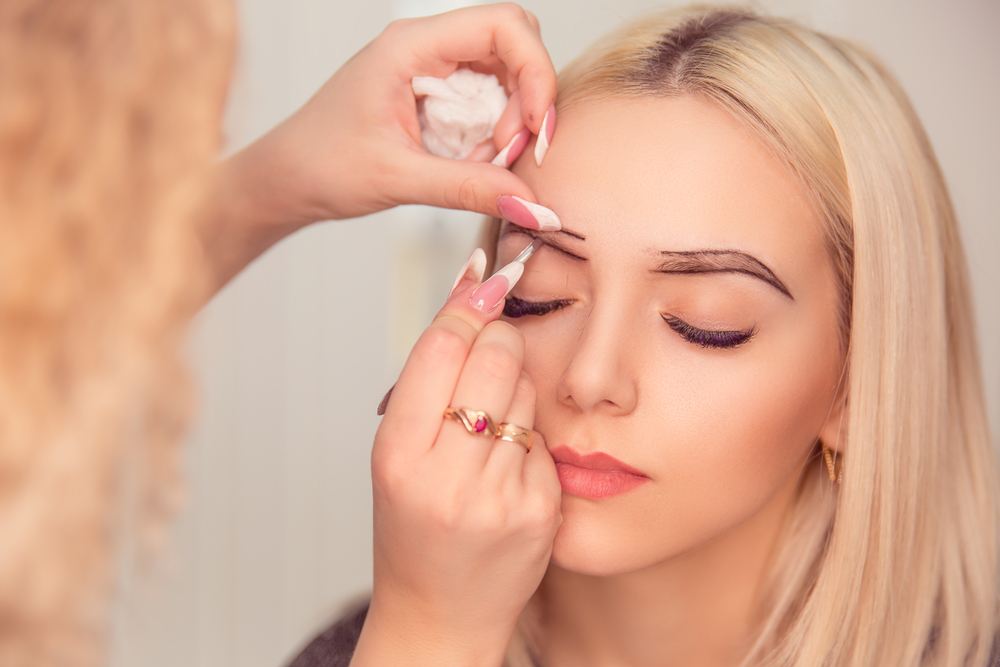
From Thin to Bold – The Best Microblading Techniques for Eyebrows

Eyebrows are a vital aspect of the face, and the way they look can have a significant impact on the appearance of a person. However, not everyone is blessed with naturally defined and well-shaped brows. With advancements in the beauty industry, people can now enhance the shape and thickness of their brows through a procedure called microblading. Microblading involves depositing pigment into the skin to create hair-like strokes that mimic the look of real eyebrows. This guide will discuss the best microblading techniques for eyebrows, starting from thin to bold.
- Firstly, if the natural brows of an individual are thin and sparse, the best technique to choose is the hair stroke method. This technique involves creating thin, delicate strokes that simulate the look of natural eyebrow hairs. The hair stroke method is achieved by using a fine microblade and depositing pigment into the skin, creating a natural-looking brow. This technique works best for people who would like to enhance the natural shape of their eyebrows and would like a more subtle, understated appearance. The hair stroke method can be used to create a range of eyebrow shapes, from arched to straight, depending on the preferences of an individual.
- Secondly, the combination technique is ideal for individuals who would like a fuller-looking brow but still prefer a more natural appearance. The combination technique involves using both the hair stroke method and the shading technique. With this technique, the hair strokes are used to create the outline of the eyebrow, at the same time as the shading is used to fill in the gaps between the hairs, creating a more defined, full appearance. The combination technique is best suited for people who have some eyebrow hair but would like to improve the natural look of their brows.
- Thirdly, the ombre technique is perfect for the ones who would like a bolder and more defined brow. The ombre technique involves creating a gradient effect from light to dark, starting from the inner part of the eyebrow to the outer part. This technique works with a microblading tool, which deposits the pigment onto the skin, giving it a soft, powdery finish. The ombre technique is perfect for the ones who would like a more dramatic look without sacrificing a natural look.
- Fourthly, the powder effect technique is perfect for people who want a dense, bold, and filled-in brow. This technique is achieved by creating a powdery appearance throughout the brow, creating a fuller appearance. The powder effect involves using a microblading machine that powders the pigment onto the skin, giving it a softer finish. The powder effect technique creates a more defined look than the ombre technique, and it is perfect for people who prefer a more made-up look.
- Finally, the feather touch technique is a subtler option than the powder effect technique. This technique involves using a micro blade to create tiny hair strokes that simulate the look of natural brow hairs. The feather touch technique creates a fuller-looking brow than the hair stroke method, but it still maintains a natural appearance. This technique is perfect for people who want a more defined brow than hair.
The Do’s & Don’ts of Microblading Aftercare
Microblading is a semi-permanent cosmetic procedure that enhances eyebrows by filling in sparse areas or creating a new eyebrow shape. Aftercare plays a crucial role in the outcome and longevity of the microblading. The dos and don’ts of microblading aftercare can make sure that the eyebrows heal correctly and look beautiful long after the appointment.
The first and most important do’s of microblading aftercare is to keep the area clean and moisturized. The microbladed area should be gently washed with lukewarm water and mild soap, pat dried, and moisturized using a specialized aftercare balm or ointment. Cleaning and moisturizing the eyebrows regularly will prevent dryness, cracking, and scabbing.
On the other hand, one of the major don’ts of microblading aftercare is to keep away from getting the eyebrows wet for at least a week after the procedure. Water exposure can cause the ink to dilute, leading to faded eyebrows. For this reason, people should steer clear of swimming, hot baths, or saunas during the healing process. In addition, people are suggested to keep away from direct sunlight, tanning beds, and other sources of UV light.
One more essential do of microblading aftercare is to avoid scratching or picking at the scabs that form after the procedure. Scabbing helps the wound heal, and picking can result in infections or scarring. People should resist the temptation to speed up the healing process by peeling off the scabs or scratching the area. The scabs will fall off naturally, revealing beautiful and healed eyebrows.
Finally, people should follow the aftercare instructions provided by the microblading artist. The artist may recommend specific products or steps to take to ensure the best results, and it is crucial to follow them. People should also avoid applying makeup, including foundation, on the microbladed area until completely healed.
To Conclude
In conclusion, microblading is an excellent way to achieve beautiful, long-lasting eyebrows. However, people must follow the dos and don’ts of microblading aftercare to achieve the best results. Keeping the area clean and moisturized, avoiding water exposure, avoiding picking or scratching the scabs, and following the artist’s instructions are crucial steps for successful microblading aftercare.
Your flawless eyebrow line is just a phone call away
Your eyebrows are the windows of your soul, and beautiful eyebrows are meant to frame them impeccably. If you were not born with full, expressive eyebrows, microblading could be the answer you have been looking for.
At EAV Cosmetic Beauty Studio, we offer precision microblading and a lot more. Simply give us a call at +1 (647) 898 7105 to book an appointment!